FIRST AID. Field Manual (2002) - page 6

•
Convulsions.
•
Unconsciousness.
•
Respiratory failure.
•
Bradycardia.
7-8.
First Aid for Nerve Agent Poisoning
First aid for nerve agent poisoning consists of administering the MARK I or
ATNAA and CANA.
a.
Injection Site. The injection site for administering the antidotes
is normally in the outer thigh muscle. The thigh injection site is the area
about a hand’s width above the knee to a hand’s width below the hip joint
(Figure 7-3). It is important that the injection be given into a large muscle
area. If the individual is thinly built, then the injections should be admin-
istered into the upper outer quarter (quadrant) of the buttock (Figure 7-4).
Injecting in the buttocks of a thinly built individual avoids injury to the
thighbone.
b.
Self-Administer MARK I. If you experience any or all of the
nerve agent MILD symptoms (paragraph 7-7a), you must IMMEDIATELY
put on your protective mask and self-administer one MARK I (Figure 7-2A).
Follow the procedure given in Table 7-1. The MARK I is carried in your
protective mask carrier, pocket of the MOPP overgarment, or other location
as specified in your unit tactical standing operating procedure (TSOP).
(In
cold weather, the MARK I should be stored in an inside pocket of your
clothing to protect the antidote from freezing. A frozen MARK I cannot be
immediately used to provide you with antidote, when needed.
(However, the
MARK I can still be used after complete thawing.)
Table 7-1. Self Aid for Nerve Agent Poisoning
MARK I*
ATNAA*
STEP 1. OBTAIN ONE MARK I.**
STEP 1. OBTAIN ONE ATNAA.**
STEP 2. CHECK INJECTION SITE.
STEP 2. CHECK INJECTION SITE.
STEP 3. HOLD MARK I AT EYE LEVEL
STEP 3. HOLD ATNAA WITH
WITH NONDOMINANT HAND WITH THE
DOMINANT HAND (FIGURE 7-12A).
LARGE INJECTOR ON TOP (FIGURE
7-5A).
7-8

Table 7-1. Self Aid for Nerve Agent Poisoning (Continued)
MARK I*
ATNAA*
STEP 4. GRASP SMALL INJECTOR
STEP 4. GRASP SAFETY CAP WITH
(ATROPINE) (FIGURE 7-5B) AND
NONDOMINANT HAND AND REMOVE
REMOVE FROM CLIP (FIGURE 7-5C).
FROM INJECTOR (FIGURE 7-12B).
STEP 5. CLEAR HARD OBJECTS FROM
STEP 5. CLEAR HARD OBJECTS
INJECTION SITE.
FROM INJECTION SITE.
STEP 6. INJECT ATROPINE AT
STEP 6. INJECT ATNAA AT INJECTION
INJECTION SITE APPLYING EVEN
SITE APPLYING EVEN PRESSURE TO
PRESSURE TO THE INJECTOR
THE INJECTOR (FIGURE 7-14 OR 7-15).
(FIGURE 7-6 OR 7-7). HOLD IN PLACE
HOLD IN PLACE FOR 10 SECONDS.
FOR 10 SECONDS.
STEP 7. HOLD USED INJECTOR WITH
STEP 7. BEND NEEDLE OF USED
NONDOMINANT HAND.
INJECTOR BY PRESSING ON A HARD
SURFACE TO FORM A HOOK.
STEP 8. GRASP THE LARGE (2 PAM Cl)
STEP 8. ATTACH USED INJECTOR TO
INJECTOR (FIGURE 7-8B) AND PULL IT
BLOUSE POCKET FLAP OF BDO/JSLIST
FROM CLIP (FIGURE 7-8C). DROP CLIP
(FIGURE 7-16).
TO GROUND.
STEP 9. INJECT 2 PAM Cl AT
STEP 9. MASSAGE INJECTION SITE,
INJECTION SITE APPLYING EVEN
MISSION PERMITTING.
PRESSURE TO THE INJECTOR (FIGURE
7-6 OR 7-7). HOLD IN PLACE FOR 10
SECONDS.
STEP 10. BEND THE NEEDLES OF ALL
USED INJECTORS BY PRESSING ON A
HARD SURFACE TO FORM A HOOK.
STEP 11. ATTACH ALL USED
INJECTORS TO BLOUSE POCKET FLAP
OF BDO/JSLIST (FIGURE 7-9).
STEP 12. MASSAGE INJECTION SITE,
MISSION PERMITTING.
* USE STEPS LISTED FOR TYPE OF ANTIDOTE DEVICE ISSUED.
** ONLY ADMINISTER ONE MARK I OR ATNAA AS SELF-AID. DO NOT SELF-
ADMINISTER CANA.
7-9
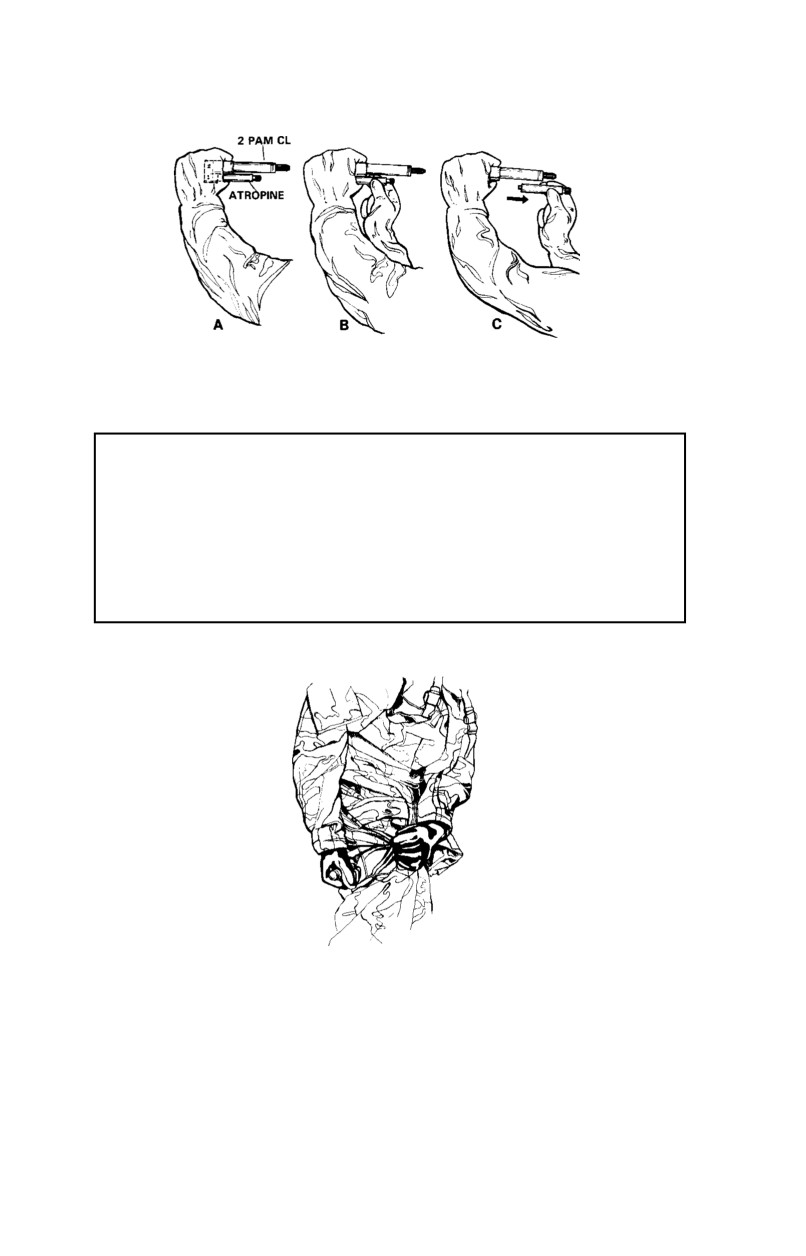
Figure 7-5. Removing the atropine autoinjector from the MARK I clip.
CAUTION
DO NOT cover or hold the needle end with your hand,
thumb, or fingers—you might accidentally inject yourself. An
accidental injection into the hand WILL NOT deliver an
effective dose of the antidote, especially if the needle goes
through the hand.
Figure 7-6. Thigh injection site for self-aid.
NOTE
If you are thinly built, inject yourself into the upper outer
quadrant of the buttock (Figure 7-7). There is a nerve that
crosses the buttocks; hitting this nerve can cause paralysis.
Therefore, you must only inject into the upper outer quadrant
of the buttock.
7-10
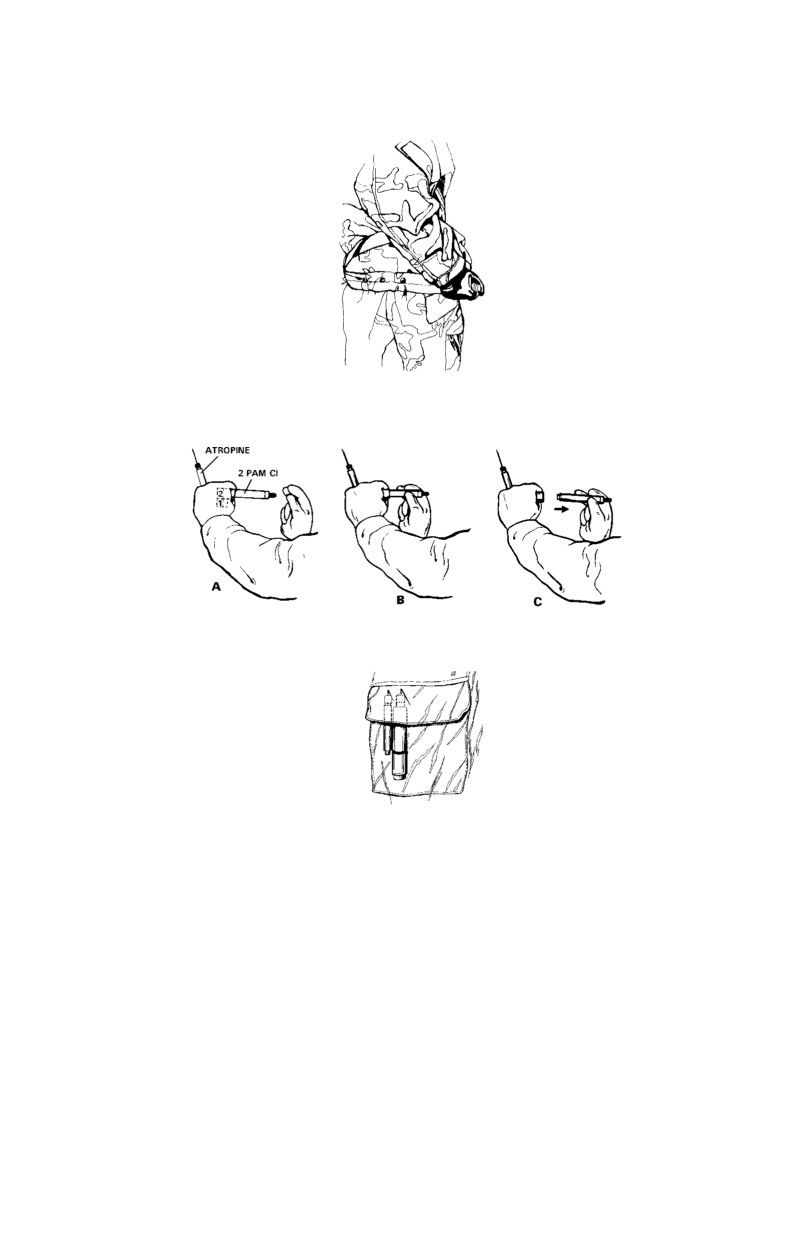
Figure 7-7. Buttocks injection site for self-aid.
Figure 7-8. Removing the 2 PAM Cl autoinjector from the MARK I clip.
Figure 7-9. One set of used MARK I autoinjectors attached to pocket flap.
NOTES
1. DO NOT give yourself another set of injections. If you are
able to walk without assistance, know who you are, and where
you are, you WILL NOT need the second set of injections.
(If
not needed, giving yourself a second set of MARK I injections
or ATNAA may create a nerve agent antidote overdose, which
could cause incapacitation
[inability to perform mission or
defend yourself].)
2. If you continue to have symptoms of nerve agent poisoning,
seek someone else (a buddy) to check your symptoms and
administer the additional sets of injections, if required.
7-11

c.
Buddy Evaluation and Buddy Aid. Service members may seek
assistance after self-aid (self-administering one MARK I or ATNAA) or may
become incapacitated after self-aid. A buddy must evaluate the individual to
determine if additional antidotes are required to counter the effects of the
nerve agent. Also, service members may experience SEVERE symptoms of
nerve agent poisoning (paragraph 7-7b); they will not be able to treat
themselves. In either case, other service members must perform buddy aid
as quickly as possible. Before initiating buddy aid, determine if one set of
MARK I autoinjectors has already been used so that no more than three sets
of the antidote are administered. Buddy aid also includes administering the
CANA with the third MARK I or ATNAA to prevent convulsions. Follow
the procedures indicated in Table 7-2.
WARNING
Squat, DO NOT kneel, when masking the casualty or
administering the nerve agent antidote to the casualty.
Kneeling may force the chemical agent into or through
your protective clothing.
CAUTION
DO NOT use your own MARK I, ATNAA, or CANA on a
casualty. If you use your own, you may not have any
antidote if needed for self-aid.
WARNING
DO NOT inject into areas close to the hip, knee, or thigh-
bone.
Table 7-2. Buddy Aid/Combat Lifesaver Aid for Nerve Agent Casualty.
MARK I*
ATNAA*
CANA**
STEP 1. MASK THE CA-
STEP 1. MASK THE CA-
STEP 1. OBTAIN BUDDY’S
SUALTY AND POSITION
SUALTY AND POSITION
CANA.
HIM ON HIS SIDE
HIM ON HIS SIDE
(SWIMMER’S POSITION).
(SWIMMER’S POSITION).
STEP 2. POSITION YOUR- STEP 2. POSITION YOUR-
STEP 2. CHECK INJEC-
SELF NEAR THE CASU-
SELF NEAR THE CASU-
TION SITE.
ALTY’S THIGH.
ALTY’S THIGH.
7-12

Table 7-2. Buddy Aid/Combat Lifesaver Aid for
Nerve Agent Casualty (Continued).
MARK I*
ATNAA*
CANA**
STEP 3. OBTAIN BUDDY’S
STEP 3. OBTAIN BUDDY’S
STEP 3. HOLD CANA IN A
THREE OR REMAINING
THREE OR REMAINING
CLOSED FIST WITH
MARK Is.
ATNAAs.
DOMINANT HAND (FIGURE
7-12A).
STEP 4. CHECK INJEC-
STEP 4. CHECK INJEC-
STEP 4. GRASP SAFETY
TION SITE.
TION SITE.
CAP WITH NONDOMINANT
HAND AND REMOVE FROM
INJECTOR (FIGURE 7-12B).
STEP 5. HOLD MARK I
STEP 5. HOLD ATNAA IN
STEP 5. CLEAR HARD
WITH NONDOMINANT
A CLOSED FIST WITH
OBJECTS FROM
HAND (FIGURE 7-5A).
DOMINANT HAND
INJECTION SITE.
(FIGURE 7-12A).
STEP 6. GRASP SMALL
STEP 6. GRASP SAFETY
STEP 6. INJECT CANA AT
INJECTOR (ATROPINE)
CAP WITH NONDOMINANT
INJECTION SITE BY
AND REMOVE FROM CLIP
HAND AND REMOVE
APPLYING EVEN
(FIGURE 7-5B).
FROM INJECTOR
PRESSURE TO THE
(FIGURE 7-12B).
INJECTOR, NOT A
JABBING MOTION (FIGURE
7-14 OR 7-15). HOLD IN
PLACE FOR 10 SECONDS.
STEP 7. CLEAR HARD
STEP 7. CLEAR HARD
STEP 7. BEND NEEDLE OF
OBJECTS FROM INJEC-
OBJECTS FROM INJEC-
INJECTOR BY PRESSING
TION SITE.
TION SITE.
ON A HARD SURFACE TO
FORM A HOOK.
STEP 8. INJECT ATRO-
STEP 8. INJECT ATNAA
STEP 8. ATTACH USED
PINE AT INJECTION SITE
AT INJECTION SITE BY
INJECTOR TO BLOUSE
BY APPLYING EVEN
APPLYING EVEN PRES-
POCKET FLAP OF BDO/
PRESSURE TO THE IN-
SURE TO THE INJECTOR,
JSLIST (FIGURE 7-16).
JECTOR, NOT A JABBING
NOT A JABBING MOTION
MOTION (FIGURE 7-10 OR
(FIGURE 7-14 OR 7-15).
7-11). HOLD IN PLACE
HOLD IN PLACE FOR 10
FOR 10 SECONDS.
SECONDS.
STEP 9. HOLD USED
STEP 9. BEND NEEDLE
STEP 9. MASSAGE
INJECTOR BETWEEN
OF INJECTOR BY
INJECTION SITE, MISSION
LITTLE FINGER AND RING
PRESSING ON A HARD
PERMITTING.
FINGER OF NONDOM-
SURFACE TO FORM A
INANT HAND (FIGURE
HOOK.
7-5A).
STEP 10. PULL LARGE
STEP 10. ATTACH ALL
INJECTOR (2 PAM Cl)
USED INJECTORS TO
FROM CLIP (FIGURE 7-5C).
BLOUSE POCKET FLAP
DROP CLIP TO GROUND.
OF BDO/JSLIST (FIGURE
7-16).
7-13

Table 7-2. Buddy Aid/Combat Lifesaver Aid for
Nerve Agent Casualty (Continued).
MARK I*
ATNAA*
CANA**
STEP 11. INJECT 2 PAM
STEP 11. MASSAGE
Cl AT INJECTION SITE
INJECTION SITE,
BY APPLYING EVEN
MISSION PERMITTING.
PRESSURE TO THE
INJECTOR, NOT A JAB-
BING MOTION (FIGURE
7-10 OR 7-11). HOLD IN
PLACE FOR 10
SECONDS.
STEP 12. REPEAT
STEPS ABOVE FOR
REMAINING MARK Is.
STEP 13. BEND THE
NEEDLES OF ALL USED
INJECTORS BY
PRESSING ON A HARD
SURFACE TO FORM A
HOOK.
STEP 14. ATTACH ALL
USED INJECTORS TO
BLOUSE POCKET FLAP
OF BDO/JSLIST (FIGURE
7-13).
STEP 15. MASSAGE
INJECTION SITE,
MISSION PERMITTING.
USE STEPS LISTED FOR TYPE OF ANTIDOTE DEVICE ISSUED.
**
CANA IS USED IN BUDDY AID/CLS AID ONLY. DO NOT USE IN SELF-AID.
NOTE
If the casualty is thinly built, inject the antidote into the buttock.
Only inject the antidote into the upper outer portion of the
casualty’s buttock (Figure 7-11). This avoids hitting the nerve
that crosses the buttocks (Figure 7-4). Hitting this nerve can
cause paralysis.
7-14
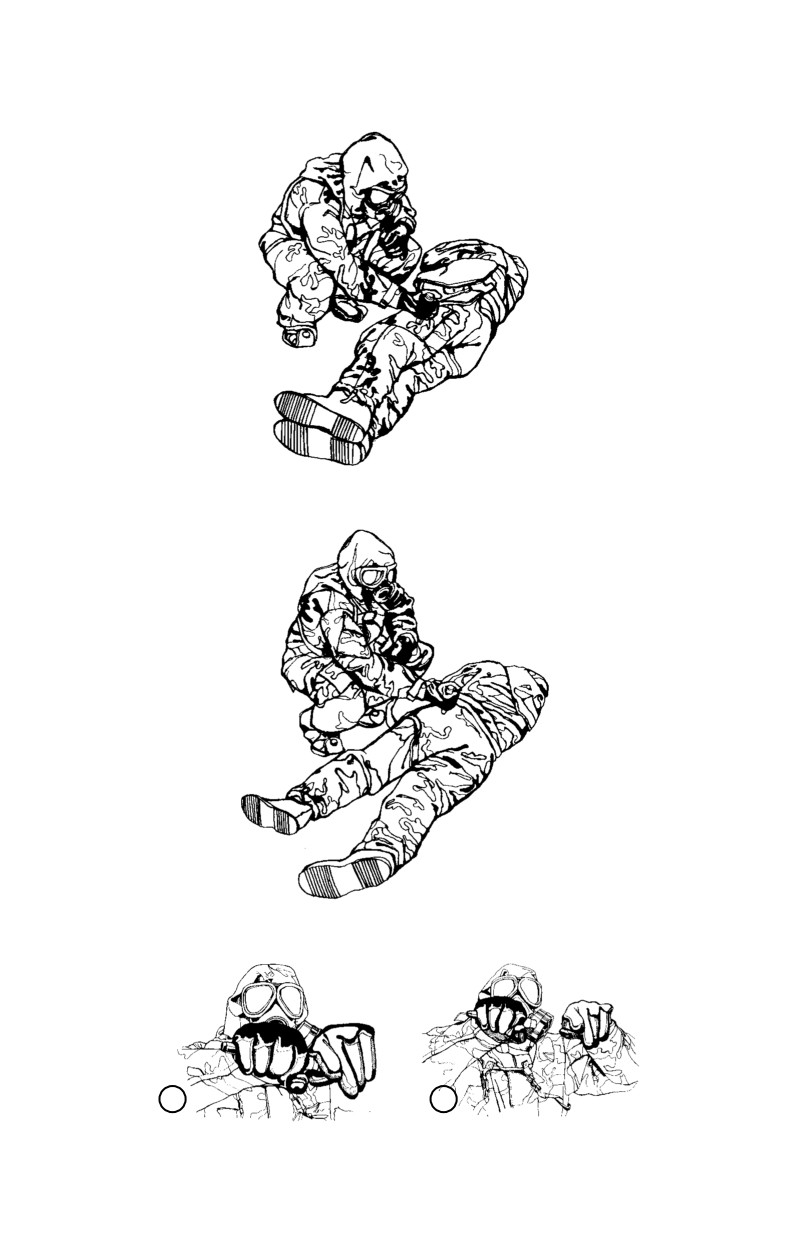
Figure 7-10. Injecting the casualty’s thigh (Mark I or CANA).
Figure 7-11. Injecting the casualty’s buttocks (Mark I or CANA).
A
B
Figure 7-12. Preparing CANA or ATNAA for injection.
7-15
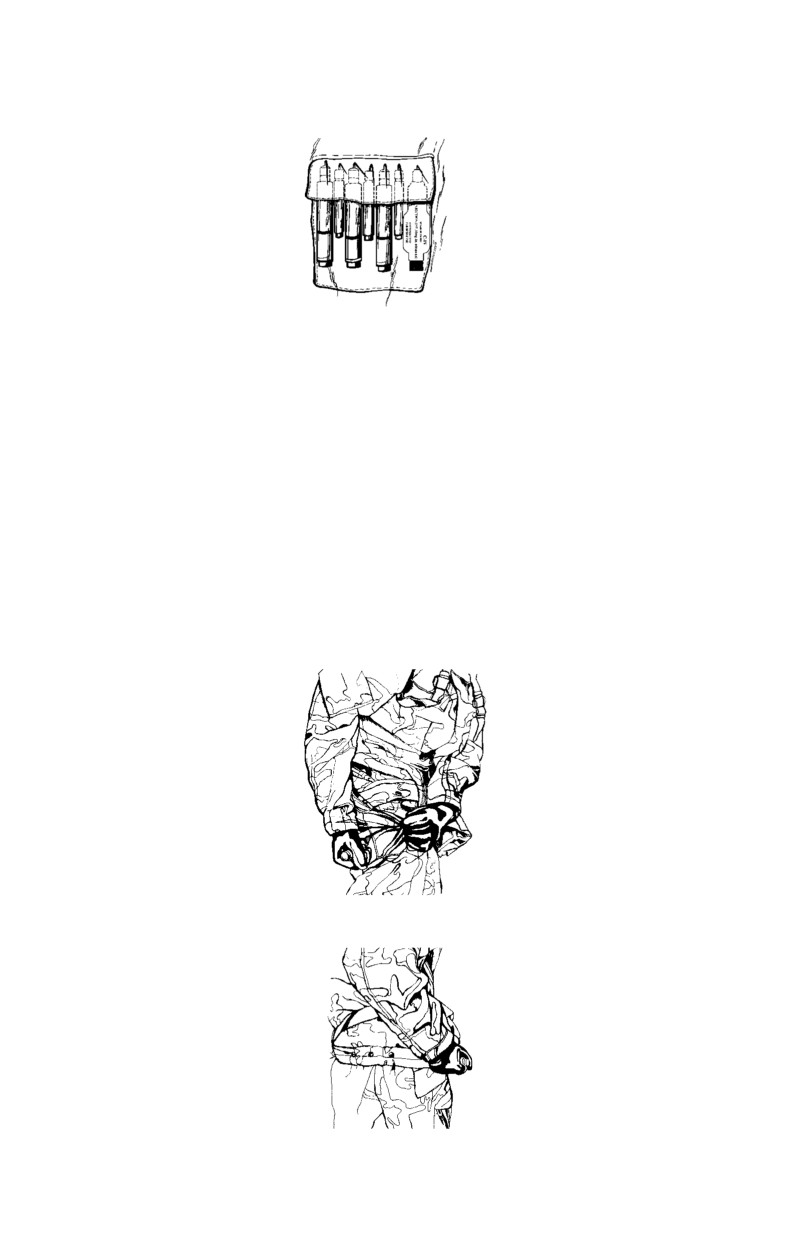
Figure 7-13. Three sets of used MARK I autoinjectors and one CANA
autoinjector attached to pocket flap.
d.
Self-Administer Antidote Treatment Nerve Agent Autoinjector.
If you experience any or all of the nerve agent MILD symptoms (paragraph
7-7b), you must IMMEDIATELY self-administer one ATNAA following
the procedure given Table 7-1.
NOTE
If you are thinly-built, inject yourself into the upper outer
quarter (quadrant) of the buttock (Figure 7-15). There is a
nerve that crosses the buttocks; hitting this nerve can cause
paralysis. Therefore, you must only inject into the upper outer
quarter (quadrant) of the buttocks.
Figure 7-14. Self-administration of ATNAA (thigh).
Figure 7-15. Self-administration of ATNAA (buttock).
7-16
NOTE
If you continue to have symptoms of nerve agent poisoning,
seek someone else (a buddy) to check your symptoms and
administer your remaining sets of injections, if required.
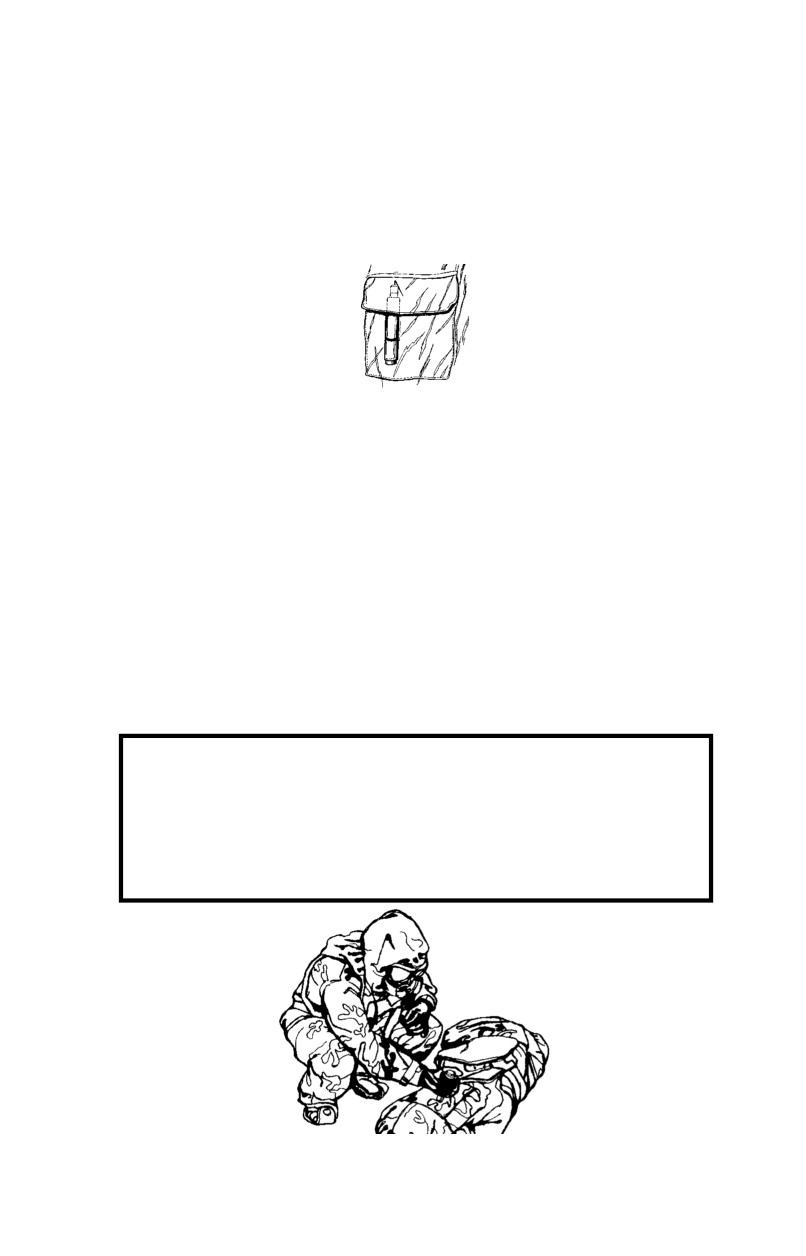
Figure 7-16. Used ATNAA attached to clothing.
e.
Buddy Assistance. Service members may seek assistance after
self-aid (self-administering one ATNAA) or may become incapacitated after
self-aid. A buddy must evaluate the individual to determine if additional
antidotes are required to counter the effects of the nerve agent. Also, service
members may experience SEVERE symptoms of nerve agent poisoning
(paragraph 7-7b); they will not be able to treat themselves. In either case,
other service members must perform buddy aid as quickly as possible. Before
initiating buddy aid, determine if one ATNAA has already been used so that
no more than three ATNAA are administered. Buddy aid also includes
administering the CANA with the third ATNAA to prevent convulsions.
Follow the procedures indicated in Table 7-2.
WARNING
Squat, DO NOT kneel, when masking the casualty or
administering the nerve agent antidotes to the casualty.
Kneeling may force any chemical agent on your
overgarment into or through your protective clothing.
Figure 7-17. Buddy injecting casualty’s outer thigh (ATNAA or CANA).
7-17
NOTE
If the casualty is thinly built, inject the antidote into the buttocks
(Figure 7-18). Only inject the antidote into the upper outer
portion of the casualty’s buttocks. This avoids hitting the nerve
that crosses the buttocks (Figure 7-4). Hitting this nerve can
cause paralysis.
WARNING
DO NOT inject into areas close to the hip, knee, or
thighbone.
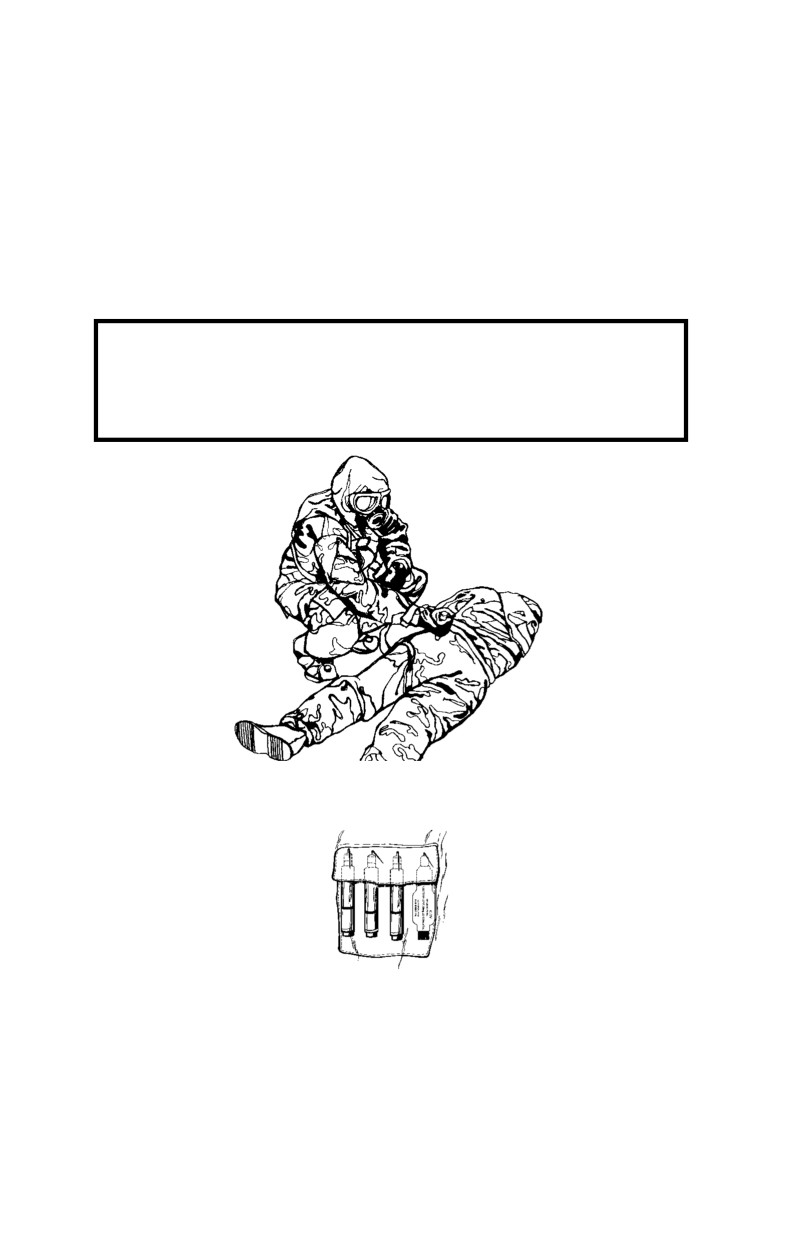
Figure 7-18. Buddy injecting casualty’s buttocks (ATNAA or CANA).
Figure 7-19. Three used ATNAAs and one CANA autoinjector
attached to clothing.
f.
Combat Lifesaver.
(1)
The combat lifesaver must check to verify if the
individual has received three sets of MARK I or ATNAAs. If not, the
combat lifesaver performs first aid as described for buddy aid above. If the
7-18
individual has received the initial three sets of MARK I, then the combat
lifesaver may administer additional atropine injections at approximately 15
minute intervals until atropinization is achieved (that is a heart rate above 90
beats per minute, reduced bronchial secretions, and reduced salivations).
Administer additional atropine at intervals of
30 minutes to 4 hours to
maintain atropinization or until the casualty is placed under the care of medical
personnel. Check the heart rate by lifting the casualty’s mask hood and
feeling for a pulse at the carotid artery. Request medical assistance as soon
as the tactical situation permits.
(2)
The CLS should administer additional CANA to
casualties suffering convulsions. Administer a second, and if needed, a third
CANA at 5 to 10 minute intervals for a maximum of three injections (30
milligrams diazepam). Follow the steps and procedures described in buddy
aid for administering the CANA. DO NOT give more than two additional
injections for a total of three (one self-aid plus two by the CLS).
7-9.
Blister Agents
Blister agents (vesicants) include mustard (H and HD), nitrogen mustards
(HN), lewisite (L), and other arsenicals, mixtures of mustards and arsenicals,
and phosgene oxime (CX). Blister agents may act on the eyes, mucous
membranes, lungs, and skin. They burn and blister the skin or any other
body parts they contact. Even relatively low doses may cause serious injury.
Blister agents damage the respiratory tract (nose, sinuses, and windpipe)
when inhaled and cause vomiting and diarrhea when absorbed. Lewisite and
CX cause immediate pain on contact. However, mustard agents are deceptive
as there is little or no pain at the time of exposure. Thus, in some cases,
signs of injury may not appear for several hours after exposure.
a.
Protective Measures. Your protective mask with hood and
protective overgarment provide protection against blister agents. If it is
known or suspected that blister agents are being used, STOP BREATHING,
put on your mask and your protective overgarment.
CAUTION
Large drops of liquid vesicants on the protective over-
garment ensemble may penetrate it if allowed to stand for
an extended period. Remove large drops as soon as
possible.
7-19
b.
Signs and Symptoms of Blister Agent Poisoning.
(1)
Immediate and intense pain upon contact with L, LH
(lewisite and mustard) mixture, and CX. No initial pain upon contact with
mustard.
(2)
Inflammation and blisters
(burns) resulting in tissue
destruction. The severity of a chemical burn is directly related to the
concentration of the agent and the duration of contact with the skin. The longer
the agent is in contact with the tissue, the more serious the injury will be.
(3)
Vomiting and diarrhea. Exposure to high concentrations
of vesicants may cause vomiting or diarrhea.
(4)
Death. The blister agent vapors absorbed during
ordinary field exposure will probably not cause enough internal body
(systemic) damage to result in death. However, death may occur from
prolonged exposure to high concentrations of vapor or from extensive liquid
contamination over wide areas of the skin, particularly when decontamination
is neglected or delayed.
c.
First Aid Measures.
(1)
Use your M291 Skin Decontaminating Kit to
decontaminate your skin and use water to flush contaminated eyes.
Decontamination of vesicants must be done immediately (within 1 minute is
best).
(2)
If blisters form, cover them loosely with a field dressing
and secure the dressing.
CAUTION
Blisters are actually burns. DO NOT attempt to decon-
taminate the skin where blisters have formed, as the agent
has already been absorbed.
(3)
If you receive blisters over a wide area of the body, you
are considered seriously burned. Seek medical assistance immediately.
(4)
If vomiting occurs, the mask should be lifted
momentarily and drained—while the eyes are closed and the breath is held—
and replaced, cleared, and sealed.
7-20
(5)
Remember, if vomiting or diarrhea occurs after having
been exposed to blister agents, seek medical assistance immediately.
7-10. Choking Agents (Lung-Damaging Agents)
Chemical agents that attack lung tissue, primarily causing fluid buildup
(pulmonary edema), are classified as choking agents (lung-damaging agents).
This group includes phosgene (CG), diphosgene (DP), chlorine (Cl), and
chloropicrin (PS). Of these four agents, CG is the most dangerous and is
more likely to be employed by the enemy in future conflict.
a.
Protective Measures. Your protective mask gives adequate
protection against choking agents.
b.
Signs and Symptoms. During and immediately after exposure
to choking agents (depending on agent concentration and length of exposure),
you may experience some or all of the following signs and symptoms:
•
Tears (lacrimation).
•
Coughing.
•
Choking.
•
Tightness of chest.
•
Nausea and vomiting.
•
Headaches.
c.
Self-Aid.
(1)
The protective mask should be put on immediately when
any of the conditions described in b above exist. Another indication of a CG
attack is an odor like newly mown hay; however, DO NOT rely upon odor
as indication of a chemical attack.
(2)
If some CG is inhaled, normal combat duties should be
continued unless there is difficulty in breathing, nausea, vomiting, or more
than the usual shortness of breath during exertion. If any of the above
symptoms occur and the mission permits, remain at quiet rest until medical
evacuation is accomplished.
d.
Death. With ordinary field exposure to choking agents, death
will probably not occur. However, prolonged exposure to high concentrations
of the vapor and neglect or delay in masking can be fatal.
7-21
7-11. Cyanogen (Blood) Agents
Cyanogen agents interfere with proper oxygen utilization in the body.
Hydrogen cyanide (AC) and cyanogen chloride (CK) are the primary agents
in this group.
a.
Protective Measures. Your protective mask with a fresh filter
gives adequate protection against field concentrations of cyanogen agent
vapor. The protective overgarments, as well as the mask, are needed when
exposed to liquid AC.
b.
Signs and Symptoms. During and immediately after exposure
to cyanogen agents
(depending on agent concentration and length of
exposure), you may experience some or all of the following signs and
symptoms:
•
Tearing (lacrimation).
•
Eye, nose, and throat irritation.
•
Sudden stimulation of breathing (unable to hold breath).
•
Nausea.
•
Coughing.
•
Tightness of chest.
•
Headache.
•
Light-headedness (dizziness).
•
Unconsciousness.
c.
First Aid.
(1)
Hydrogen cyanide. During any chemical attack, if you
get a sudden stimulation of breath or detect an odor like bitter almonds, PUT
ON YOUR MASK IMMEDIATELY. Speed is absolutely essential since
this agent acts so rapidly that within a few seconds its effects will make it
impossible for service members to put on their mask by themselves. Stop
breathing until the mask is on, if at all possible. This may be very difficult
since the agent strongly stimulates respiration.
(2)
Cyanogen chloride. Put your mask on immediately if
you experience any irritation of the eyes, nose, or throat. Service members
7-22
who are unable to mask should be masked by the nearest service member
(buddy).
d.
Medical Assistance. If you suspect that you have been exposed
to blood agents, seek medical assistance immediately.
7-12. Incapacitating Agents
An incapacitating agent is a chemical agent which produces temporary,
disabling conditions which persist for hours to days after exposure. Unlike
riot control agents, which usually are momentary or fleeting in action,
incapacitating agents have a persistent effect. It is likely that smoke-producing
munitions or aerosols will disseminate such agents, thus making breathing
their means of entry into the body. The protective mask is, therefore,
essential.
a.
There are no specific first aid measures to relieve the symptoms
of incapacitating agents. Supportive first aid and physical restraint may be
indicated. If the casualty is stuporous or comatose, be sure that respiration is
unobstructed; then turn him on his side in case vomiting should occur.
Complete cleansing of the skin with soap and water should be done as soon as
possible; or, the M291 Skin Decontaminating Kit can be used if washing is
impossible. Remove weapons and other potentially harmful items from
service members who are suspected of having these symptoms. Harmful
items include cigarettes, matches, medications, and small items that might be
swallowed accidentally. Delirious (confused) persons have been known to
attempt to eat items bearing only a superficial resemblance to food.
b.
Incapacitating agents
(anticholinergic drugs BZ type) may
produce alarming dryness and coating of the lips and tongue; however, there
is usually no danger of immediate dehydration. Fluids should be given
sparingly, if at all, because of the danger of vomiting and because of the
likelihood of temporary urinary retention due to paralysis of bladder muscles.
c.
If the body temperature is elevated and mucous membranes
are dry, immediate and vigorous cooling (as for heatstroke) is indicated.
Methods that can be used to cool the skin are spraying with cool water and air
circulation (fanning); applying alcohol soaked cloths and air circulation; and
providing maximum exposure to air in a shaded area, along with maximum
air circulation. Such cases are usually a result of anticholinergic poisoning.
Rapid evacuation should be accomplished since medical treatment with the
appropriate medication may be lifesaving.
7-23
CAUTION
DO NOT use ice for cooling the skin.
d.
Reassurance and a firm, but friendly, attitude by individuals
providing first aid will be beneficial if the casualty appears to comprehend
what is being said. Conversation is a waste of time if the service member is
incoherent or cannot understand what is being said. In such cases, the less
said, the better it is—these casualties will benefit more from prompt and
vigorous restraint and evacuation to an MTF.
7-13. Incendiaries
Incendiaries can be grouped as WP, thickened gasoline, metal, and oil and
metal. You must learn to protect yourself against these incendiaries.
a.
White phosphorus is used primarily as a smoke producer but
can be used for its incendiary effect to ignite field expedients and combustible
materials. The burns from WP are usually multiple, deep, and variable in
size. When particles of WP get on the skin or clothing, they continue to burn
until deprived of air. They also have a tendency to stick to a surface and
must be brushed off or picked out.
(1)
If burning particles of WP strike and stick to your
clothing, quickly take off the contaminated clothing before the WP burns
through to the skin.
(2)
If burning WP strikes your skin, smother the flame with
water, a wet cloth, or mud.
NOTE
Since WP is soluble in oil, DO NOT use grease, oily ointments,
or eye ointments to smother the flame.
(3)
Keep the WP particles covered with a wet material to
exclude air until you can remove them or have them removed from your skin.
(4)
Remove the WP particles from the skin by brushing
them with a wet cloth and by picking them out with a knife, bayonet, stick, or
other available object.
7-24
(5)
Seek medical assistance when the mission permits.
b.
Thickened fuel mixtures (napalm) have a tendency to cling to
clothing and body surfaces, thereby producing prolonged exposure and severe
burns. The first aid for these burns is the same as for other heat burns. The
heat and irritating gases given off by these combustible mixtures may cause
lung damage, which must be treated by medical personnel.
c.
Metal incendiaries pose special problems. Thermite particles
on the skin should be immediately cooled with water and then removed. The
first aid for these burns is the same as for other heat burns. Particles of
magnesium on the skin burn quickly and deeply. Like other metal
incendiaries, they must be removed. Ordinarily, medical personnel should
do the complete removal of these particles as soon as possible. Immediate
medical treatment is required.
d.
Oil and metal incendiaries have much the same effect on
contact with the skin and clothing as those discussed (b and c above). First
aid measures for burns are discussed in Chapter 3.
7-14. Biological Agents and First Aid
a.
Biological attacks can result in combat ineffectiveness by
introducing disease-causing organisms into a troop population.
b.
Once a disease is identified, first aid or medical treatment is
initiated, depending on the seriousness of the disease. First aid measures are
concerned with observable symptoms of the disease such as diarrhea or
vomiting.
7-15. Toxins
Toxins are alleged to have been used in past conflicts. Witnesses and victims
have described the agent as toxic rain (or yellow rain) because it was reported
to have been released from aircraft as a yellow powder or liquid that covered
ground, structures, vegetation, and people.
a.
Signs and Symptoms. The occurrence of the symptoms from
toxins may appear in a period of a few minutes to several hours depending on
the particular toxin, the service member’s susceptibility, and the amount of
toxin inhaled, ingested, or deposited on the skin. Symptoms from toxins
usually involve the central nervous system but are often preceded by less
prominent symptoms, such as nausea, vomiting, diarrhea, cramps, or stomach
7-25
irritation and burning sensation. Typical neurological symptoms often
develop rapidly in severe cases; for example, visual disturbances, inability to
swallow, speech difficulty, lack of muscle coordination, and sensory
abnormalities (numbness of mouth, throat, or extremities). Yellow rain
(mycotoxins) also may have hemorrhagic symptoms, which could include
any or all of the following:
•
Dizziness.
•
Severe itching or tingling of the skin.
•
Formation of multiple, small, hard blisters.
•
Coughing up blood.
•
Shock (which could result in death).
b.
Self-Aid. Upon recognition of an attack employing toxins, you
must immediately take the following actions:
(1)
Stop breathing, put on your protective mask with hood,
and then resume breathing. Next, put on your protective clothing.
(2)
Should severe itching of the face become unbearable,
quickly—
•
Loosen the cap on your canteen.
•
Take and hold a deep breath and lift your mask.
•
While holding your breath, close your eyes and
flush your face with generous amounts of water.
CAUTION
DO NOT rub or scratch your eyes. Try not to let the water
run onto your clothing or protective overgarment.
•
Put your protective mask back on, seat it properly,
clear it, and check it for a seal; then resume breathing.
•
Decontaminate your skin by bathing with soap and
water as soon as the mission permits.
7-26
•
Change clothing and decontaminate your protective
mask using soap and water. Replace the filters if directed.
(3)
If vomiting occurs, the mask should be lifted
momentarily and drained—while the eyes are closed and the breath is held—
and replaced, cleared, and sealed.
c.
Medical Assistance. If you suspect that you have been exposed
to toxins, you should seek medical assistance immediately.
7-16. Nuclear Detonation
a.
Three types of injuries may result from a nuclear detonation.
These are thermal, blast, and radiation injuries. Many times the casualty will
have a combination of these types of injuries. First aid for thermal and blast
injuries is provided based on observable injuries, such as burns, hemorrhage,
or fractures.
b.
The signs and symptoms of radiation illness in the initial phase
include the rapid onset of nausea, vomiting, and malaise (tiredness). The
only first aid procedure for radiological casualties is decontamination.
7-27
CHAPTER 8
FIRST AID FOR
PSYCHOLOGICAL REACTIONS
8-1.
General
Psychological first aid is as natural and reasonable as physical first aid and is
just as familiar. When you were hurt as a child, the understanding attitude of
your parents did as much as the psychological effect of a bandage. Later,
your disappointment or grief was eased by supportive words from a friend.
Certainly, taking a walk and talking things out with a friend are familiar ways
of dealing with an emotional crisis. The same natural feelings that make us
want to help a person who is injured make us want to give a helping hand to a
buddy who is upset. Psychological first aid really means nothing more
complicated than assisting people with emotional distress whether it results
from physical injury, disease, or excessive stress. Emotional distress is not
always as visible as a wound or a broken bone. However, overexcitement,
severe fear, excessive worry, deep depression, misdirected irritability, and
anger are signs that stress has reached the point of interfering with effective
coping. The more noticeable the symptoms become, the more urgent the
need for you to be of help and the more important it is for you to know how
to help.
8-2.
Importance of Psychological First Aid
You must know how to give psychological first aid to be able to help yourself,
your buddies, and your unit in order to keep performing the mission.
Psychological first aid measures are simple and easy to understand. Your
decision of what to do depends upon your ability to observe the service
member and understand his needs. Making the best use of resources requires
ingenuity on your part. A stress reaction resulting in poor judgment can
cause injury or even death to yourself or others on the battlefield. It can be
even more dangerous if other persons are affected by the judgment of an
emotionally upset service member. If it is detected early enough, the affected
service member stands a good chance of remaining in his unit as an effective
member. If it is not detected early and if the service member becomes more
emotionally upset, he may become a threat to himself and to others.
8-3.
Situations Requiring Psychological First Aid
•
Psychological first aid (buddy aid) is most needed at the first
sign that a service member cannot perform the mission because of emotional
8-1
distress. Stress is inevitable in combat, in hostage and terrorist situations,
and in civilian disasters such as floods, hurricanes, or industrial accidents.
Most emotional reactions to such situations are temporary, and the service
member can still carry on with encouragement. Painful or disruptive
symptoms may last for minutes, hours, or days. However, if the stress
symptoms are seriously disabling, they may be psychologically contagious
and endanger not only the emotionally upset service member but also the
entire unit.
•
Sometimes people continue to function well during a disastrous
event, but suffer from emotional scars which impair their job performance or
quality of life at a later time. Painful memories and dreams may recur for
months and years and still be considered a normal reaction. However, if the
memories are so painful that the person must avoid all situations which
arouse them, becomes socially withdrawn, or shows symptoms of anxiety,
depression, or substance abuse, he needs treatment. Experience with police,
firemen, emergency medical technicians, and others who deal with disasters
has proved that the routine application of psychological first aid to all the
participants, including those who have functioned well, greatly reduces the
likelihood of future serious post-traumatic stress disorders (PTSDs).
8-4.
Interrelationship of Psychological and Physical First Aid
Psychological first aid should go hand in hand with physical first aid. The
discovery of a physical injury or cause for an inability to function does not
rule out the possibility of a psychological injury (or vice versa). The person
suffering from pain, shock, fear of serious injury, or fear of death does not
respond well to joking, indifference, or fearful-tearful attention. Fear and
anxiety may take as high a toll of the service member’s strength as does the
loss of blood.
8-5.
Goals of Psychological First Aid
The goals of psychological first aid are to—
•
Be supportive; assist the service member in dealing with his
stress reaction.
•
Prevent, and if necessary control, behavior harmful to himself
and to others.
•
Return the service member to duty as soon as possible after
dealing with the stress reaction.
8-2
8-6.
Respect for Others’ Feelings
a.
Accept the service member you are trying to help without
censorship or ridicule. Respect his right to his own feelings. Even though
your feelings, beliefs, and behavior are different, DO NOT blame or make
light of him for the way he feels or acts. Your purpose is to help him in this
tough situation, not to be his critic. A person DOES NOT WANT to be upset
and worried. When he seeks help, he needs and expects consideration of his
fears, not abrupt dismissal or ridicule.
b.
Realize that people are the products of a wide variety of
factors. All people DO NOT react the same way to the same situations.
Each individual has complex needs and motivations, both conscious and
unconscious, that are uniquely his own. Often the one thing that finally
causes the person to become overloaded by a stressful situation is not the
stressor itself, but some other problem.
8-7.
Emotional and Physical Disability
a.
Accept emotional disability as being just as real as physical
disability. If a service member’s ankle is seriously sprained in a fall, no one
expects him to run right away. A service member’s emotions may be
temporarily strained by the overwhelming stress of battle or other traumatic
incident. DO NOT demand that he pull himself together immediately and
carry on without a break. Some individuals can pull themselves together
immediately, but others cannot. The service member whose emotional
stability has been disrupted has a disability just as real as the service member
who has sprained his ankle. There is an unfortunate tendency in many people
to regard as real only what they can see, such as a wound or bleeding. Some
people tend to assume that damage involving a person’s mind and emotions is
just imagined, that he is not really sick or injured, and that he could overcome
his trouble by using his will power.
b.
The terms it’s all in your head, snap out of it, and get control
of yourself are often used by people who believe they are being helpful.
Actually, these terms are expressions of hostility because they show lack of
understanding. They only emphasize weakness and inadequacy. Such terms
are of no use in psychological first aid.
c.
Every physically injured person has some emotional reaction
to the fact that he is injured.
(1)
It is normal for an injured person to feel upset. The
more severe the injury, the more insecure and fearful he becomes, especially
8-3
if the injury is to a body part which is highly valued. For example, an injury
to the eyes or the genitals, even though relatively minor, is likely to be
extremely upsetting. An injury to some other part of the body may be
especially disturbing to an individual for his own particular reason. For
example, an injury of the hand may be a terrifying blow to a surgeon or an
injury to the eye of a pilot.
(2)
An injured service member always feels less secure,
more anxious, and more afraid not only because of what has happened to him
but because of what he imagines may happen as a result of his injury. This
fear and insecurity may cause him to be irritable, uncooperative, or
unreasonable. As you help him, always keep in mind that such behavior has
little or nothing to do with you personally. He needs your patience,
reassurance, encouragement, and support.
8-8.
Combat and Other Operational Stress Reactions
Stress reaction is a temporary emotional disorder or inability to function,
experienced by a previously normal service member as a reaction to the
overwhelming or cumulative stress of combat. Stress reaction gets better
with reassurance, rest, physical replenishment, and activities that restore
confidence. All service members are likely to feel stress reaction under
conditions of intense and/or prolonged stress. They may even become stress
reaction casualties, unable to perform their mission for hours or days. Other
combat and operational stress reactions (COSRs) may result in negative
behavior, but are not termed stress reaction, as they need more intensive
treatment. These negative COSRs may result in misconduct stress behaviors
such as drug and alcohol abuse, criminal acts, looting, desertion, and self-
inflicted wounds. These harmful COSRs can often be prevented by good
psychological first aid. Service members who commit misconduct stress
behaviors may require disciplinary action rather than medical treatment.
8-9.
Reactions to Stress
Most service members react to stressful incidents after the situation has
passed. All service members feel some fear. This fear may be greater than
they have experienced at any other time, or they may be more aware of their
fear. In such a situation, they should not be surprised if they feel shaky or
become sweaty, nauseated, or confused. These reactions are normal and are not
a cause for concern. However, some reactions, either short- or long-term,
will cause problems if left unchecked. See paragraph 8-13 for more information.
a.
Emotional Reactions.
8-4
(1)
The most obvious combat stress reaction
(CSR) is
inefficient performance. This can be demonstrated by—
•
Slow thinking (or reaction time).
•
Difficulty recognizing priorities and seeing what
needs to be done.
•
Difficulty getting started.
•
Indecisiveness and having trouble focusing
attention.
•
Tendency to do familiar tasks and be preoccupied
with familiar details.
(This can reach the point where the person is very
passive, such as just sitting or wandering about not knowing what to do.)
(2)
A less common reaction may be uncontrolled emotional
outbursts; this can be demonstrated by crying, screaming, or laughing. Some
service members will react in the opposite way. They will be very withdrawn
and silent and try to isolate themselves from everyone. These service
members should be encouraged to remain with their assigned unit.
Uncontrolled reactions may appear by themselves or in any combination (the
person may be crying uncontrollably one minute and then laughing the next).
In this state, the person is restless and cannot keep still. He may run about,
apparently without purpose. Inside, he feels a great rage or fear and his
physical acts may show this. In his anger he may indiscriminately strike out
at others.
b.
Loss of Adaptability.
(1)
In a desperate attempt to get away from the danger,
which has overwhelmed him, a service member may panic and become
confused. His mental ability may be so impaired he cannot think clearly or
even follow simple commands. His judgment may be faulty and he may not
be aware of his actions, such as standing up in his fighting position during an
attack.
(2)
In other cases, overwhelming stress may produce
symptoms that are often associated with head injuries. For example, the
service member may appear dazed or be found wandering around aimlessly.
He may appear confused and disoriented and may seem to have a complete or
partial loss of memory. In such cases, especially when no eyewitnesses can
provide evidence that the service member has NOT suffered a head injury, it
is necessary for him to be rapidly medically evacuated. DO NOT allow the
8-5
service member to expose himself to further personal danger until the cause
of the problem has been determined.
c.
Sleep Disturbance and Repetition of Dreams. A person who
has been overwhelmed by stress often has difficulty sleeping. The service
member may experience nightmares related to the stressors. Remember that
nightmares, in themselves, are not considered abnormal when they occur
soon after a period of intensive stress. As time passes, the nightmares
usually become less frequent and less intense. In extreme cases, a service
member, even when awake, may think repeatedly of the incident, feel as
though it is happening again, and act out parts of his stress over and over
again. For some persons, this repetitious reexperiencing of the stressful
event may be necessary for eventual recovery; therefore, it should not be
discouraged or viewed as abnormal. For the person reexperiencing the
event, such reaction may be disruptive. The service member needs to be
encouraged to ventilate about the incident. Ventilation is a technique where
the service member is given the opportunity to talk extensively, often
repetitiously about the experience.
8-10. Severe Stress or Stress Reaction
You do not need specialized training to recognize severe stress or stress
reaction that will cause problems for the service member, the unit, or the
mission. Reactions that are less severe, however, are more difficult to
detect. To determine whether a person needs help, you must observe him
to see whether he is doing something meaningful, performing his duties,
taking care of himself, behaving in an unusual fashion, or acting out of
character.
8-11. Application of Psychological First Aid
The emotionally disturbed service member has built a barrier against fear.
He does this for his own protection, although he is probably not aware that he
is doing it. If he finds that he does not have to be afraid and that there are
normal, understandable things about him, he will feel safer in dropping this
barrier. Persistent efforts to make him realize that you want to understand
him will be reassuring, especially if you remain calm. Nothing can cause an
emotionally disturbed person to become even more fearful than feeling that
others are afraid of him. Try to remain calm. Familiar things, such as a cup
of coffee, the use of his name, attention to a minor wound, being given a
simple job to do, or the sight of familiar people and activities, will add to his
ability to overcome his fear. He may not respond well if you get excited,
angry, or abrupt.
8-6
a.
Ventilation. After the service member becomes calmer, he is
likely to have dreams about the stressful event. He also may think about it
when he is awake or even repeat his personal reaction to the event. One
benefit of this natural pattern is that it helps him master the stress by going
over it just as one masters the initial fear of parachuting from an aircraft by
doing it over and over again. Eventually, it is difficult to remember how
frightening the event was initially. In giving first aid to the emotionally
disturbed service member, you should let him follow this natural pattern.
Encourage him to talk. Be a good listener. Let him tell, in his own words,
what actually happened. If home front problems or worries have contributed
to the stress, it will help him to talk about them. Your patient listening will
prove to him that you are interested in him, and by describing his personal
problem, he can work at mastering his fear. If he becomes overwhelmed in
the telling, suggest a cup of coffee or a break. Whatever you do, assure him
that you will listen again as soon as he is ready. Do try to help put the
service member’s perception of what happened back into realistic perspective;
but DO NOT argue about it.
b.
Activity.
(1)
A person who is emotionally disturbed as the result of a
combat action is a casualty of anxiety and fear. He is disabled because he has
become temporarily overwhelmed by his anxiety. A good way to control
fear is through activity. Almost all service members, for example, experience
a considerable sense of anxiety and fear while they are poised, awaiting the
opening of a big offensive; but this is normally relieved, and they actually
feel better once they begin to move into action. They take pride in effective
performance and pleasure in knowing that they are good service members,
perhaps being completely unaware that overcoming their initial fear was their
first major accomplishment.
(2)
Useful activity is very beneficial to the emotionally
disturbed service member who is not physically incapacitated. After you
help a service member get over his initial fear, help him to regain some self-
confidence. Make him realize his job is continuing by finding him something
useful to do. Encourage him to be active. Get him to help load trucks, clean
up debris, or dig fighting positions. If possible, get him back to his usual
duty. Seek out his strong points and help him apply them. Avoid having him
just sit around. You may have to provide direction by telling him what to do
and where to do it. The instructions should be clear and simple and should
be repeated. A person who has panicked is likely to argue. Respect his
feelings, but point out more immediate, obtainable, and demanding needs.
Channel his excessive energy and, above all, DO NOT argue. If you cannot
get him interested in doing more profitable work, it may be necessary to
enlist aid in controlling his overactivity before it spreads to the group and
8-7
results in more panic. Prevent the spread of such infectious feelings by
restraining and segregating if necessary.
(3)
Involvement in activity helps a service member in three
ways; he—
•
Forgets himself.
•
Has an outlet for his excessive tensions.
•
Proves to himself he can do something useful.
c.
Rest. There are times, particularly in combat, when physical
exhaustion is a principal cause for emotional reactions. A unit sleep plan
should be established and implemented. When possible, service members
should be given a safe and relatively comfortable area in which to sleep.
Examples would be an area away from heavy traffic, noise, and congestion
or a place that is clean and dry and protected from environmental conditions.
The more uninterrupted sleep a service member gets the better he will be able
to function in the tactical environment.
d.
Hygiene. Field hygiene is an important ingredient in a service
member’s morale. A service member who is dirty and unkempt will not
function as well as a service member who has had the opportunity to bathe
and put on clean, dry clothing. During combat, unit leaders should stress the
importance of personal hygiene. Good personal hygiene not only improves
morale, it also is a preventive measure against disease and nonbattle injury
(DNBI).
e.
Group Activity. You have probably already noticed that a
person works, faces danger, and handles serious problems better if he is a
member of a closely-knit group. Each service member in the team supports
the other team members. Esprit de corps is built because the service members
have the same interests, goals, and mission, and as a result they are more
productive; furthermore, they are less worried because everyone is involved.
It is this spirit that takes a strategic hill in battle. It is so powerful that it is
one of the most effective tools you have in your psychological first aid bag.
Getting the service member back into the team or squad activities will
reestablish his sense of belonging and security and will go far toward making
him a useful member of the unit.
8-12. Reactions and Limitations
Up to this point the discussion has been primarily about the feelings of the
emotionally distressed service member. What about your feelings toward
8-8

him? Whatever the situation, you will have emotional reactions (conscious
or unconscious) toward this service member. Your reactions can either help
or hinder your ability to help him. When you are tired or worried, you may
very easily become impatient with him if he is unusually slow or exaggerates.
You may even feel resentful toward him. At times when many physically
wounded lie about you, it will be especially natural for you to resent
disabilities that you cannot see. Physical wounds can be seen and easily
accepted. Emotional reactions are more difficult to accept as injuries. On
the other hand, will you tend to be overly sympathetic? Excessive sympathy
for an incapacitated person can be as harmful as negative feelings in your
relationship with him. He needs strong help, but not your sorrow. To
overwhelm him with pity will make him feel even more inadequate. You
must expect your buddy to recover, to be able to return to duty, and to
become a useful service member again. This expectation should be displayed
in your behavior and attitude as well as in what you say. If he can see your
calmness, confidence, and competence, he will be reassured and will feel a
sense of greater security.
8-13. Stress Reactions
See Tables 8-1, 8-2, and 8-3 for more information.
Table 8-1. Mild Stress Reaction
PHYSICAL SIGNS*
EMOTIONAL SIGNS*
1.
TREMBLING, TEARFUL
1. ANXIETY, INDECISIVENESS
2.
JUMPINESS, NERVOUSNESS
2. IRRITABLE, COMPLAINING
3.
COLD SWEAT, DRY MOUTH
3. FORGETFUL, UNABLE TO
4.
POUNDING HEART, DIZZINESS
CONCENTRATE
5.
INSOMNIA, NIGHTMARES
4. EASILY STARTLED BY NOISE,
6.
NAUSEA, VOMITING, DIARRHEA
MOVEMENT
7.
FATIGUE
5. GRIEF, TEARFUL
8.
THOUSAND-YARD STARE
6. ANGER, BEGINNING TO LOSE
9.
DIFFICULTY THINKING, SPEAKING,
CONFIDENCE IN SELF AND UNIT
AND COMMUNICATING
SELF- AND BUDDY AID
1.
CONTINUE MISSION PERFORMANCE, FOCUS ON IMMEDIATE MISSION.
2.
EXPECT SERVICE MEMBER TO PERFORM ASSIGNED DUTIES.
3.
REMAIN CALM AT ALL TIMES; BE DIRECTIVE AND IN CONTROL.
4.
LET SERVICE MEMBER KNOW HIS REACTION IS NORMAL, AND THAT
THERE IS NOTHING SERIOUSLY WRONG WITH HIM.
5.
KEEP SERVICE MEMBER INFORMED OF THE SITUATION, OBJECTIVES,
EXPECTATIONS, AND SUPPORT. CONTROL RUMORS.
6.
BUILD SERVICE MEMBER’S CONFIDENCE, TALK ABOUT SUCCEEDING.
7.
KEEP SERVICE MEMBER PRODUCTIVE (WHEN NOT RESTING) THROUGH
RECREATIONAL ACTIVITIES, EQUIPMENT MAINTENANCE.
8-9

8. ENSURE SERVICE MEMBER MAINTAINS GOOD PERSONAL HYGIENE.
9. ENSURE SERVICE MEMBER EATS, DRINKS, AND SLEEPS AS SOON AS
POSSIBLE.
10. LET SERVICE MEMBER TALK ABOUT HIS FEELINGS. DO NOT “PUT DOWN”
HIS FEELINGS OF GRIEF OR WORRY. GIVE PRACTICAL ADVICE AND PUT
EMOTIONS INTO PERSPECTIVE.
* MOST OR ALL OF THESE SIGNS ARE PRESENT IN MILD STRESS
REACTION. THEY CAN BE PRESENT IN ANY NORMAL SERVICE MEMBER IN
COMBAT YET HE CAN STILL DO HIS JOB.
Table 8-2. More Serious Stress Reaction
PHYSICAL SIGNS*
EMOTIONAL SIGNS*
1.
CONSTANTLY MOVES AROUND
1. RAPID AND/OR INAPPROPRIATE
2.
FLINCHING OR DUCKING AT
TALKING
SUDDEN SOUNDS
2. ARGUMENTATIVE, RECKLESS
3.
SHAKING, TREMBLING (WHOLE
MOVEMENTS/ACTIONS
BODY OR ARMS)
3. INATTENTIVE TO PERSONAL
4.
CANNOT USE PART OF BODY,
HYGIENE
NO PHYSICAL REASON (HAND,
4. INDIFFERENT TO DANGER
ARM, LEGS)
5. MEMORY LOSS
5.
CANNOT SEE, HEAR, OR
6. SEVERE STUTTERING, MUMBLING,
FEEL (PARTIAL OR
OR CANNOT SPEAK AT ALL
COMPLETE LOSS)
7. INSOMNIA, NIGHTMARES
6.
PHYSICAL EXHAUSTION,
8. SEEING OR HEARING
CRYING
THINGS THAT DO NOT EXIST
7.
FREEZING UNDER FIRE, OR
9. RAPID EMOTIONAL SHIFTS
TOTAL IMMOBILITY
10. SOCIAL WITHDRAWAL
8.
VACANT STARES, STAGGERS,
11. APATHETIC
SWAYS WHEN STANDS
12. HYSTERICAL OUTBURSTS
9.
PANIC RUNNING UNDER FIRE
13. FRANTIC OR STRANGE BEHAVIOR
TREATMENT PROCEDURES**
1.
IF A SERVICE MEMBER’S BEHAVIOR ENDANGERS THE MISSION, SELF, OR
OTHERS, DO WHATEVER IS NECESSARY TO CONTROL HIM.
2.
IF THE SERVICE MEMBER IS UPSET, CALMLY TALK HIM INTO
COOPERATING.
3.
IF CONCERNED ABOUT THE SERVICE MEMBER’S RELIABILITY:
• UNLOAD HIS WEAPON.
• TAKE WEAPON IF SERIOUSLY CONCERNED.
• PHYSICALLY RESTRAIN HIM ONLY WHEN NECESSARY FOR SAFETY OR
TRANSPORTATION.
4.
REASSURE EVERYONE THAT THE SIGNS ARE PROBABLY JUST STRESS
REACTION AND WILL QUICKLY IMPROVE.
5.
IF STRESS REACTION SIGNS CONTINUE:
• GET THE SERVICE MEMBER TO A SAFER PLACE.
• DO NOT LEAVE THE SERVICE MEMBER ALONE, KEEP SOMEONE HE
KNOWS WITH HIM.
• NOTIFY SENIOR NONCOMMISSIONED OFFICER (NCO) OR OFFICER.
• HAVE THE SERVICE MEMBER EXAMINED BY MEDICAL PERSONNEL.
8-10