Military reference books and manuals (2009-2023, Volume 5) - page 13
FIRST 100 DAYS OEF ETT HANDBOOK
7
• Assist ANA forces in forecasting requirements
• Assist ANA forces in planning, developing, and executing sustainment
Other ANA support missions
School house and doctrine (Training and Doctrine Command):
• Develop and execute institutional training programs.
• Synchronize Soldier, noncommissioned officer (NCO), and officer course programs of instruction.
• Update and translate doctrinal and training publications.
Logistical support (logistics task force): Maintain and sustain ANA forces (ANA depot-level support).
Partnership program: Participants with Combined Joint Task Force-101, Combined Joint Special Operations Task Force, and
International Security Assistance Force.
Police mentor team missions
Afghan Uniformed Police PMT:
• Assist and mentor the provincial Community of Police (CoP) in operating, manning, and equipping the Joint Police
Command Center.
• Mentor, coordinate, monitor, and support the assigned provincial CoP efforts to conduct authorized Afghan National
Auxiliary Police training, sustainment training, and opportunity training.
• Establish close coordination with the provincial reconstruction team/police technical assistance team within your area of
responsibility.
Afghan Border Police PMT missions:
• Mentor ABP element in participating in the Joint Regional Command Center (JRCC) process for that headquarters (HQ).
U.S. UNCLASSIFIED
REL NATO, GCTF, ISAF, MCFI, ABCA
For Official Use Only
CENTER FOR ARMY LESSONS LEARNED
8
• Mentor, coordinate, monitor, and support the assigned battalion or brigade commander efforts to conduct sustainment
training and opportunity training.
Afghan National Civil Order Police (ANCOP) PMT missions:
• Mentor ANCOP element in participating in the JRCC process for that HQ.
• Provide coordination support to the ANCOP element during cross-boundary/QRF operations.
Other missions for advisor/mentors:
• Presence patrol (day and night)
• Village assessment
• Humanitarian aid
• Traffic checkpoint
• Eradication of suspected or known enemy positions
• Drug eradication
• Cordon and search for weapon cache
• High value target force protection and security escort
• Route/area security
• Joint operation
• Route/area reconnaissance
• Threat investigation
U.S. UNCLASSIFIED
REL NATO, GCTF, ISAF, MCFI, ABCA
For Official Use Only
FIRST 100 DAYS OEF ETT HANDBOOK
9
• Responding to improvised explosive device strikes
• Crowd control
• Troops in contact and reinforcement (QRF)
• Observation post
Traits of a Good Mentor
Good mentors are:
• Worthy of emulation.
• Mature.
• Professional.
• Knowledgeable.
• Confident.
• Culturally and situationally aware.
A good mentor:
• Lives, sleeps, and eats with his partnership unit, when possible.
• Makes his opinion valuable.
• Patiently but relentlessly enforces standards.
• Focuses on developing professional units:
º Promotes based on merit.
U.S. UNCLASSIFIED
REL NATO, GCTF, ISAF, MCFI, ABCA
For Official Use Only
CENTER FOR ARMY LESSONS LEARNED
10
º Helps build a professional NCO corps.
º Supports the political process.
º Defends the rights of citizens.
• Provides for the populace.
• Does not attempt to build a replica of his own armed forces.
• Realizes the ANSF are first and foremost counterinsurgency (COIN) forces.
• Knows professional competence coupled with demonstrated cultural awareness are the most effective means to establish and
maintain rapport.
• Demonstrates technical and tactical proficiency.
• Conducts proper planning.
• Plans well thought-out support contingencies.
• Focuses training (COIN, shoot, move, communicate, medical, ethical training, police skills).
• Rehearses.
• Debriefs and conducts after action reviews.
Result: A confident ANSF unit
Build Rapport
Your individual success as an advisor (or mentor) hinges on building and maintaining rapport with your host nation counterpart. The
quicker you can build a relationship and gain trust from your counterpart, the more effective you will be as an advisor/mentor.
U.S. UNCLASSIFIED
REL NATO, GCTF, ISAF, MCFI, ABCA
For Official Use Only
FIRST 100 DAYS OEF ETT HANDBOOK
11
Mentors must have a plan to establish and maintain rapport:
• Cross cultural communication skills
• Language skills and/or the ability to utilize an interpreter
• Respect for a counterpart’s rank, age, status, and experience
• Negotiation skills
• Interpersonal skills
• Enthusiasm and a positive attitude
• Credibility
• Technical and tactical proficiency
• Combined activities (training, planning, recreation)
Mentoring recommendations:
• The mentor must be able to use tact not only on the battlefield, but also while mentoring the officers and NCOs.
• The mentor must be confident in his ability as a mentor and have tactical and technical knowledge in his field.
• The mentor must also remember that this is still Afghanistan and the Afghans’ country. Mentors are here as advisors and not
drill sergeants.
Mentors should remember the following:
• Intelligence is the basis for all COIN activities and the ANSF are the best source of intelligence.
• The objective is to enable the ANSF to be legitimate and clearly in charge.
U.S. UNCLASSIFIED
REL NATO, GCTF, ISAF, MCFI, ABCA
For Official Use Only
CENTER FOR ARMY LESSONS LEARNED
12
•
All operations have a psychological effect.
•
Perception often is reality in COIN operations.
•
The best defense is gaining the heart and minds of the local people.
•
Strengthen the ANA logistical system.
•
Train soldiers in vehicle maintenance and repair.
•
When there is no pending mission, interact with your ANA counterpart.
•
Make certain you are fully trained on all vehicles, communication equipment, and weaponry.
•
Involve your ANA counterpart when planning a mission.
•
The military is only one part of the overall program (80 percent political, 20 percent military).
•
Help ANSF leaders facilitate interagency, intergovernmental, and interorganizational activities.
•
Mentor on key principles to win the COIN fight.
•
The most important counterinsurgents are the ANSF.
•
Strive to strengthen the NCO channel, and strive to mentor the officer to let the NCO implement the tasking.
•
Drink the chai (tea) when it is offered by the ANA.
•
Respect counterparts’ times of prayer in garrison, but use tact to influence an appropriate place and time of prayer during
missions.
•
When giving guidance or recommendations, tell your ANA counterpart the reason “why.”
•
Stop by to check on the soldiers and NCOs during their classes.
U.S. UNCLASSIFIED
REL NATO, GCTF, ISAF, MCFI, ABCA
For Official Use Only
FIRST 100 DAYS OEF ETT HANDBOOK
13
• Remember that training does not stop down range.
• Guide ANSF in developing multiple options.
• Minimize the coalition presence while maximizing the impact.
•
“Afghan face” is not enough on operations; ANSF must conduct the operations.
• Above all, have patience.
Challenges
Previous ETTs encountered the following challenges:
• Understanding cultural differences.
• ANSF do not treat subordinates with dignity and respect.
• ANSF officers may be corrupt and steal money from soldiers’ payments, and they may hoard supplies.
• Many ANSF officers perceive NCOs to be incompetent and unworthy to lead.
• Some ANSF officers feel they do not need to listen to their mentors.
• Over-coaching: mentors mistake differences from their way as the “wrong answer.”
• The lack of hygiene increases the risk of disease.
• There is a lack of efficient medical care, supplies, and facilities.
• Operations security is a concern. There is always a possibility of enemy informants embedded in the ANSF ranks.
• The ANSF have not developed fire control discipline.
U.S. UNCLASSIFIED
REL NATO, GCTF, ISAF, MCFI, ABCA
For Official Use Only
CENTER FOR ARMY LESSONS LEARNED
14
• The ANSF logistical support system is still in its infancy.
• There may be differences among the different tribes in the ranks of the ANSF.
Remember: It is a marathon.
Major causes of an advisor’s failure:
• Frustration and the inability to maintain a good working relationship with his counterpart.
• Failure to understand why his counterpart does not feel the sense of urgency that he does.
• Inability to realize that his counterpart will remain and continue to fight the enemy long after his tour is over.
U.S. UNCLASSIFIED
REL NATO, GCTF, ISAF, MCFI, ABCA
For Official Use Only
FIRST 100 DAYS OEF ETT HANDBOOK
15
Chapter 2
Embedded Training Team Command and Control
“I wish I would have been told about the command structure for all the military transition teams in Afghanistan.”
-MAJ, J6 Afghan Regional Security Integration Command-East (ARSIC-E)
Combined Security Transition Command-Afghanistan (CSTC-A)
The mission of the CSTC-A, in partnership with the government of the Islamic Republic of Afghanistan and the
international community, is to plan, program, and implement structural, organizational, institutional, and management
reforms of the Afghanistan National Security Forces (ANSF), in order to develop a stable Afghanistan, strengthen the
rule of law, and deter and defeat terrorism within its borders.
U.S. UNCLASSIFIED
REL NATO, GCTF, ISAF, MCFI, ABCA
For Official Use Only
CENTER FOR ARMY LESSONS LEARNED
16
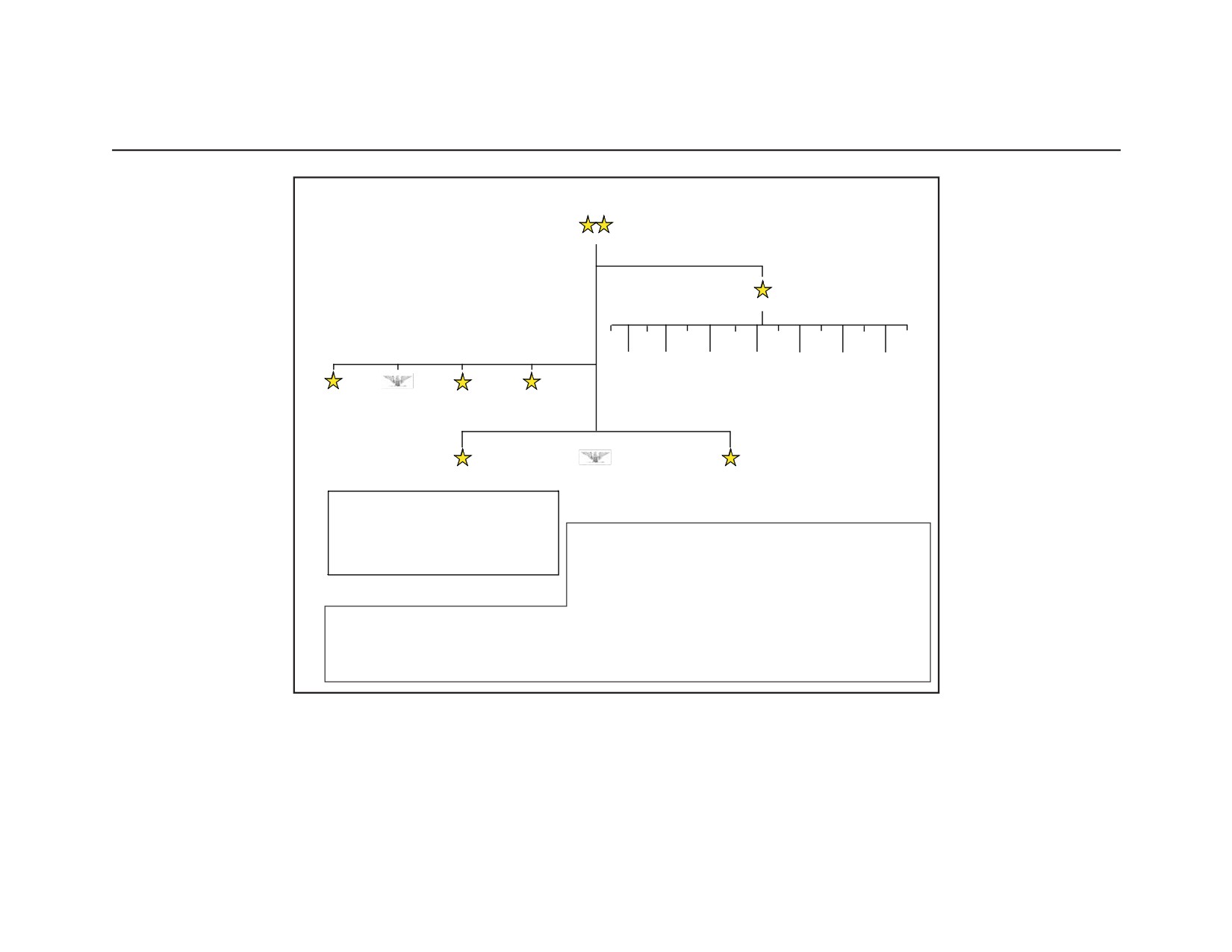
CSTC-A Command and Control Structure
(1)
CG CSTC-A
DCG/CoS
(2)
CJ 1
CJ 3
CJ 5
CJ 7
CJ
SJAG
IG
Detainee
ENGR
Ops
CJ 2
CJ 4
CJ 6
CJ 8
Comd
PAO
Chaplain
surg
ACG - AD ACG - PD ACG - ISC ACG - PMA
(3)
CAPTF
TF Phoenix
CTAG
-A.
Notes:
1.
CG CSTC-A is supported by executive officer
and Commander’s Action Group.
2.
ACG-ISC to be cut to DATES at ISAF.
ISC - International Securities Cooperation
3.
CAPTF is OPCON to AFCENT, TACON to CSTC
ACG-AD
- Assistant Commanding General-Army Development
PD
- Police Development
PMA
- Political Military Affairs
SJAG
- Staff Judge Advocate
ISAF
- International Security Assistance Force
IG
- Inspector General
CAPTF
- Combined Air Power Transition Force
PAO
- Public affairs officer
CTAG - Combined Training Assistance Group
AFCENT
- Allied Forces Central Europe
DCG
- Deputy commanding general
OPCON
- Operational control
CG
- Commanding general
TACON - Tactical control
CoS - Chief of Staff
Figure 2-1
Within the CSTC-A structure, there are mentors and advisors to the Afghan Ministry of Defense and Ministry of Interior.
U.S. UNCLASSIFIED
REL NATO, GCTF, ISAF, MCFI, ABCA
For Official Use Only
FIRST 100 DAYS OEF ETT HANDBOOK
17
Combined Joint Task Force-Phoenix
CJTF-P, composed of over 6,000 personnel, trains and mentors the ANSF to conduct independent, self-sustained
counterinsurgency (COIN) and security operations in the Combined Joint Operations Area-Afghanistan, in order to
defeat terrorism and provide a secure, stable environment within the borders of Afghanistan. As needed, facilitates
in-extremis support for ANSF.
The end state of the CJTF-P mission is a trained, self-generating ANSF that are well respected, multi-ethnic, sustainable, capable of
effectively conducting law enforcement, COIN, all mission essential task list tasks, and of securing inside and along their nation’s
borders with an end strength of 70,000 for the Afghan National Army and 82,000 for the Afghan National Police by December 2008.
U.S. UNCLASSIFIED
REL NATO, GCTF, ISAF, MCFI, ABCA
For Official Use Only
CENTER FOR ARMY LESSONS LEARNED
18
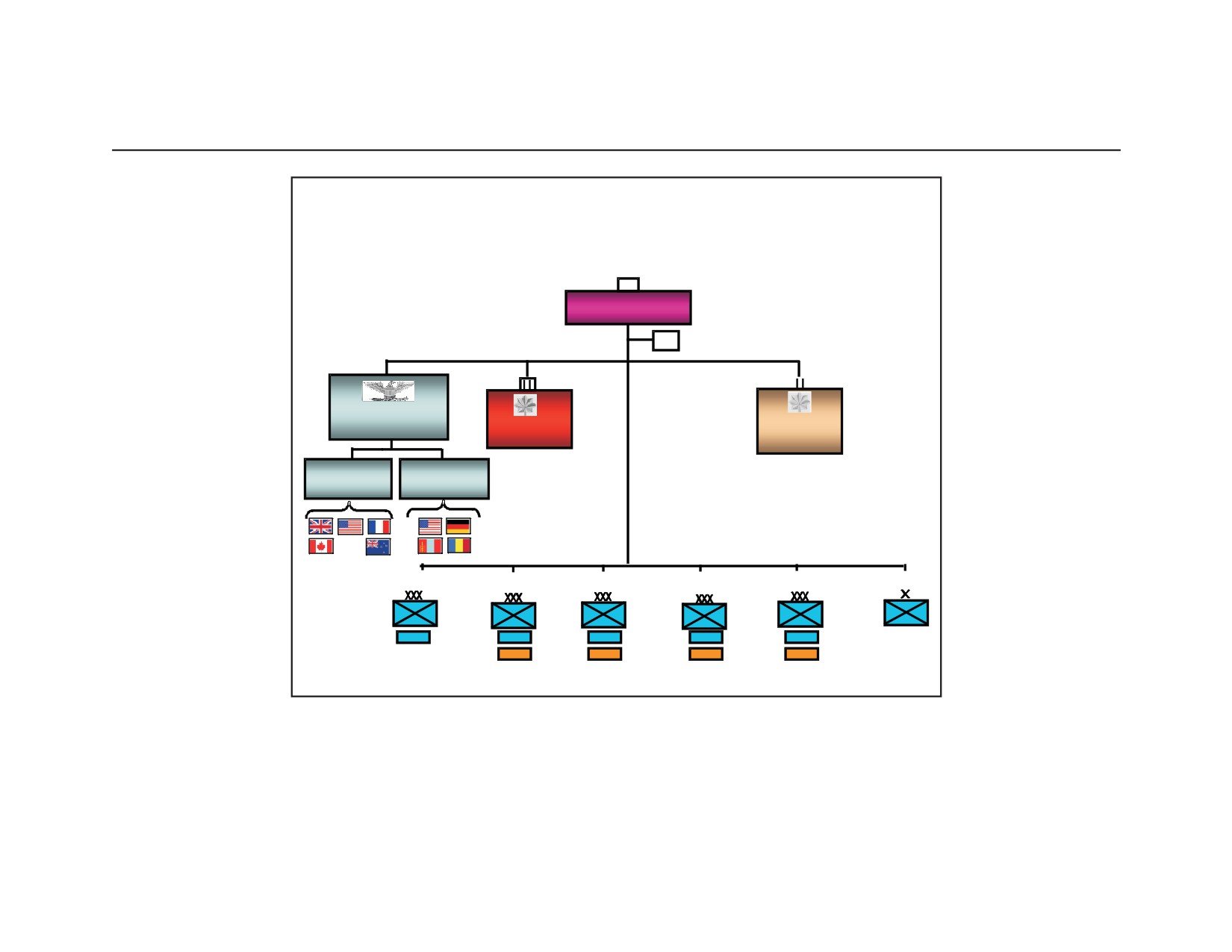
CJTF-P Task Organization
X
CJTF-P
HQ
Training Assistance
Group (TAG)
Security Forces
Logistical Task
(SECFOR)
Force (LTF)
Kabul Military
Mobile Training
Training Center
Teams (MTT)
(KMTC)
Kabul
Gardez
Kandahar
Herat
Mazar_e_Sharif (MeS)
HSSC
201
203
205
207
209
SECFOR
SECFOR
SECFOR
SECFOR
SECFOR
FLE
FLE
FLE
FLE
Figure 2-2: CJTF-P organizational chart
U.S. UNCLASSIFIED
REL NATO, GCTF, ISAF, MCFI, ABCA
For Official Use Only
FIRST 100 DAYS OEF ETT HANDBOOK
19
Afghan Regional Security Integration Command
ARSIC functions:
• Translates higher and flanking headquarters guidance
• Exercises command of Regional Corps Advisory Command (RCAC) and Regional Police Advisory Command (RPAC)
• Exercises command less operational control of provisional and below embedded training teams (ETTs)/police mentor teams
during tactical operations
• Receives “ground truth” from RPAC/RCAC
• Develops direction and guidance to RPAC/RCAC
• Synchronizes RPAC/RCAC efforts
• Balances resources between RPAC/RCAC
• Develops mentoring standards
• Plans mentoring deployments/employments
U.S. UNCLASSIFIED
REL NATO, GCTF, ISAF, MCFI, ABCA
For Official Use Only

CENTER FOR ARMY LESSONS LEARNED
20
ARSIC Organization
ISAF
CSTC-A
MOI/MOD
CJTF-P
RC CDR
ARSIC
Organic
Support/
supporting
NATO OPCON
Training
RCAC
RPAC
JRCC
guidance and
NATO TACON
reporting
Mentoring
Coordination
OMLT
ETT
PMT
JPCC
Note: Effective during
ANA green cycle or
ANP Level 2 or Level 3
threats with permission
ANA CPS/BDE
ANP
of MOD/MOI
ISAF - International Security Assistance Force
MOI
- Ministry of Interior
RC CDR
- Regional corps commander
MOD
- Ministry of Defense
RCAC
- Regional Corps Advisory Command
OMLT
- Operational mentor and liaison team
RPAC
- Regional Police Advisory Command
ETT
- Embedded Training Teams
ARSIC
- Afghan Regional Security Integration Command
PMT
- Police mentor teams
JRCC
- Joint Regional Command Center
ANP
- Afghan National Police
ANA
- Afghan National Army
NATO
- North Atlantic Treaty Organization
CPS
- Corps
TACON
- Tactical control
BDE
- Brigade
OPCON - Operational control
JPCC - Joint Police Command Center
Figure 2-3: ARSIC organizational chart
U.S. UNCLASSIFIED
REL NATO, GCTF, ISAF, MCFI, ABCA
For Official Use Only
FIRST 100 DAYS OEF ETT HANDBOOK
21
Chapter 3
Languages
“You need to teach Pashtu to units going to Pastun areas.”
-1LT, police mentor team S3/S4
Major Ethnic Groups
The map on the following page shows the complexity of the tribal affiliation. Notice how much of the country is Pashtun.
U.S. UNCLASSIFIED
REL NATO, GCTF, ISAF, MCFI, ABCA
For Official Use Only

CENTER FOR ARMY LESSONS LEARNED
22
Figure 3-1: Tribal regions in Afghanistan
U.S. UNCLASSIFIED
REL NATO, GCTF, ISAF, MCFI, ABCA
For Official Use Only
FIRST 100 DAYS OEF ETT HANDBOOK
23
Dari versus Pashtu
If you have done any research or heard from other previous embedded training teams (ETTs), Afghanistan is divided by tribal regions.
Pashtun is one of the predominant tribal cultures, and many ETT members wished they had received Pashtu language training, rather
than Dari, the national language decreed by the Afghan government. If possible, find a program that will teach you Pashtu. Keep in
mind there are some commonalities in Dari and Pashtu.
Basic Dari1
Common terms
Hello
Sa-laam
Goodbye
baa-maa-ne khu-daa
Help me
ku-ma-kem ko
Do you need help?
too ba ku-mak za-roo-rat daa-ree?
Thank you
Ta-shak-kur
Yes/No/Ok
Ba-ley/ney/Du-rust
Please
Lut-fan
Excuse me
Bu-bakh-sheyn
My name is . . .
na-me ma…as
What is your name?
naa-met chees?
U.S. UNCLASSIFIED
REL NATO, GCTF, ISAF, MCFI, ABCA
For Official Use Only
CENTER FOR ARMY LESSONS LEARNED
24
How are you?
che-tor has-tee?
I am fine, thanks and you?
khoob has-tum, ta-shak-kur, too che-tor has-tee?
Good/bad
khoob/bad
We are Americans
Maa am-ree-kaa-yee has-teym
Do you speak English?
Eng-lee-see yaad-daa-ree?
Left/Right
Chap/du-rust or raast
North/South/East/West
sha-maal/ju-noob/sharq/gharb
Stop/Come here
es-taad sho/een-ja be-yaa
Stay where you are
da jaa-yet baash
Put your weapon down
sa-laa-he-ta ba za-meen baan
Lie on your stomach
roo-ye she-kam da-raaz be-kash
Do not move
shor na-kho
U.S. UNCLASSIFIED
REL NATO, GCTF, ISAF, MCFI, ABCA
For Official Use Only
FIRST 100 DAYS OEF ETT HANDBOOK
25
Basic Pashtu1
Common terms
Hello
Salaam-alay-kum
Goodbye
khu-die-pa-amaan
Help!
ma-ras-ta
Thank you
mo-te-shak-ker-am
Yes/no/ok
ba-le/ nah/ sa-hee
Please
meh-ra-baa-ne
Excuse me/I’m sorry
wo-bakha
My name is . . .
z-maa noom
What is your name?
staa num tsa de?
How are you?
tsenga-ye?
I’m fine, thanks, and you?
za-xa-yum, ma-na-na, te-tsenga-ye?
Good/Bad
xa/bad
We are Americans
mung-Amrikaa-yan-yu
U.S. UNCLASSIFIED
REL NATO, GCTF, ISAF, MCFI, ABCA
For Official Use Only
CENTER FOR ARMY LESSONS LEARNED
26
Do you speak English?
ta lng-li-si sha-ba-ri ka-wo-lie she?
Do you need help?
maa sara marasta wuka
Left/Right
chap/raast-ta
North/South/East/West
sha-maal/ju-nub/sharq/gharb
Stop/Come here
wo-d’a-ri-ga/del-ta raa-sha
Stay where you are
pa dzai de wo-da-ri-ga
Put your weapon down
topak de-par-mi-dzaka ki-xiz-de
Lie on your stomach
par makh pre-wo-za
Do not move
har-kat ma-ka-wa
1 Based on Defense Language Institute’s Language Survival Guide.
U.S. UNCLASSIFIED
REL NATO, GCTF, ISAF, MCFI, ABCA
For Official Use Only
FIRST 100 DAYS OEF ETT HANDBOOK
27
Chapter 4
Afghan National Security Forces
“I wish we would have had a better understanding of the composition of the Afghan National Army.”
-SGM, embedded training team (ETT) mentor
Most of the previous ETTs focused on building the Afghan National Army (ANA), and that has remained the focus for the past five
years. Now the focus is shifting towards the Afghan National Police (ANP). Some ETTs will work directly with the ANP. Because
this is a new program, doctrine, tactics, techniques, and procedures are still being developed. Some Soldiers will work with the ANA,
others will work with the ANP, and some may work with both.
Organizations
The ANSF is comprised of the following organizations:
• Ministry of Defense (MoD)
• Ministry of the Interior (MoI)
• ANA
• Afghan Air Force
• ANP
• National Directorate for Security (NDS)
Ministry of Defense
The Afghan MoD is an organization of the central government of Afghanistan, overseeing the entire military of Afghanistan.
U.S. UNCLASSIFIED
REL NATO, GCTF, ISAF, MCFI, ABCA
For Official Use Only

CENTER FOR ARMY LESSONS LEARNED
28
Ministry of the Interior
The Interior Minister of Afghanistan is responsible for Afghanistan’s police forces, other internal security forces, and Afghanistan’s
counter-narcotics force.
The Minister is also the cabinet member responsible for the administration of Afghanistan’s provinces.
Minister of Interior Organization Structure
Director of Immediate
Minister of Interior
Staff
Senior Advisor
• Internal Affairs
• Legal Advisor
Executive Secretariat
1st Deputy Minister
Parliamentary Affairs
Press & Public Affairs
Foreign Relations
External Agency LNO
PRT LNO
Document & Archives
Appeals & Audit
Deputy Minister
Deputy Minister
Admin
for
for Governance
Deputy Minister
Chief of
HQ Support
Dept
Counter Narcotics
for
Headquarters
(All Civilian)
Security
Plans &
Log Dept
Policy
Dept
Chief
Fire
Counter Narcotics
Department
Training/Education
Intelligence
(CN) Police
Dept
Dept
Customs
Commander
Commander Afghan
Chief of Uniform
Chief
Chief
Police
Afghan Border
National Civil Order
Police
Criminal Investigation
Counter Terrorism
Police (ABP)
Police (ANCOP)
Dept (CID)
Regional
Regional
Regional
Regional
Regional
Regional
Commander South
Commander North
Commander East
Commander West
Commander Central
Commander Kabul
Figure 4-1
U.S. UNCLASSIFIED
REL NATO, GCTF, ISAF, MCFI, ABCA
For Official Use Only
FIRST 100 DAYS OEF ETT HANDBOOK
29
Afghan National Army
The ANA is a service branch of the military of Afghanistan that is currently being trained by the coalition forces to ultimately take the
lead in land-based military operations.
The ANA is task organized into six corps. Five corps serve as regional commands for the ANA: the 201st Corps based in Kabul, the
203rd Corps based in Gardez, the 205th Corps based in Kandahar, the 207th Corps in Herat, and the 209th Corps in Mazar-e-Sharif.
The sixth corps is the “Air Corps,” which is the old Afghan Air Force. Plans exist to separate this corps again and reclaim the old
Afghan Air Force role as a separate branch of the Afghan military.
The basic unit in the ANA is the Kandak Battalion, consisting of 600 troops. Although the vast majority is infantry, at least one
mechanized and one tank battalion have been formed; more may be planned. Every ANA corps will eventually be assigned a
commando battalion that will have advanced infantry training and U.S. equipment.
The roles of ANA include the following:
• Secure the borders and deter external threats.
• Defeat terrorist forces.
• Disband, reintegrate, or imprison anti-government forces.
• Manage internal security threats and emergencies in cooperation with the ANP.
The key principles of building the ANA include the following:
• Soldiers loyal to the government of Afghanistan.
• Soldiers who are disciplined and professional.
• An organization that is ethnically diverse.
• Planning for a multi-year process.
• Ensuring an affordable and sustainable force.
U.S. UNCLASSIFIED
REL NATO, GCTF, ISAF, MCFI, ABCA
For Official Use Only

CENTER FOR ARMY LESSONS LEARNED
30
ANA task organization and garrison locations
ANA Task Organization (End State)
Islamic Republic of Afghanistan
Ministry of Defense
Kabul
Central
Gardez
Kandahar
Herat
MeS
PeC
Gar
Kan
Dar
Her
MeS
HSSC
Kab
201
Unk
203
Kho
205
TaK
207
209
Unk
Unk
Unk
Unk
Unk
C2/CSS
C2/CSS
C2/CSS
C2/CSS
C2/CSS
SECFOR
SECFOR
SECFOR
SECFOR
SECFOR
FLE(-)
FLE(-)
FLE(-)
FLE(-)
1-201 ETT
2-201 ETT
3-201 ETT
1-203 ETT
2-203 ETT
3-203 ETT
1-205 ETT
2-205 ETT
3-205 ETT
4-201 ETT
1-207 ETT
2-207 ETT
1-209 ETT
2-209 ETT
*
*
*
*
*
*
*
*
4th BDE OPCON to 205th
(
)=
Sustainment
(FLE)
Forward Logistics Element
(MeS) Mazar-e-Sharif
*
(ETT)
Embedded training team
(SECFOR)
Security forces
Figure 4-2
U.S. UNCLASSIFIED
REL NATO, GCTF, ISAF, MCFI, ABCA
For Official Use Only

FIRST 100 DAYS OEF ETT HANDBOOK
31
Figure 4-3
U.S. UNCLASSIFIED
REL NATO, GCTF, ISAF, MCFI, ABCA
For Official Use Only

CENTER FOR ARMY LESSONS LEARNED
32
ANA Ranks
Field Marshal
Lieutenant General
General
Major
Lieutenant General
Captain
Major General
1st Lieutenant
Brigadier General
2nd Lieutenant
Colonel
3rd Lieutenant
Command Sergeant Major
Sergeant Major
Staff Sergeant
First Sergeant
Sergeant
Master Sergeant
Platoon Sergeant
Sergeant First Class
Figure 4-4: ANA rank structure
U.S. UNCLASSIFIED
REL NATO, GCTF, ISAF, MCFI, ABCA
For Official Use Only
FIRST 100 DAYS OEF ETT HANDBOOK
33
ANA soldiers
Qualities of ANA soldiers:
• Multi-ethnic
• Literacy higher than national average (+50 percent)
• Loyal
• Young, average age 18-25
• Perform well with proper leadership
Figure 4-5
U.S. UNCLASSIFIED
REL NATO, GCTF, ISAF, MCFI, ABCA
For Official Use Only
CENTER FOR ARMY LESSONS LEARNED
34
Qualities of ANA NCOs:
• Combat veterans
• Literacy higher than national average (+50 percent)
• Leadership skills vary from weak to very strong
• Professional military experience with the Democratic Republic of Afghanistan (DRA)1 or Mujahidin
• Capable of performing NCO duties in Western model, if empowered to do so by their officers
1 DRA is the communist regime that ruled Afghanistan between 1978 and 1992.
Figure 4-6
U.S. UNCLASSIFIED
REL NATO, GCTF, ISAF, MCFI, ABCA
For Official Use Only
FIRST 100 DAYS OEF ETT HANDBOOK
35
Qualities of ANA officers:
• Combat veterans
• Literacy higher than national average
• Leadership skills vary from weak to very strong
• Professional military experience with DRA or Mujahidin
• May have received formal professional military education
• Willing to learn new ideas; hamstrung by Soviet era mindset
“Information on the police structure and focused district development would have made a big difference.”
-SFC, ANP mentor
Afghan National Police
The ANP consists of the following organizations:
• Afghan Uniform Police (AUP)
• Afghan National Auxiliary Police
• Afghan Border Police
• Afghan National Civil Order Police (ANCOP)
• Counter Narcotics Police of Afghanistan (CNPA)
U.S. UNCLASSIFIED
REL NATO, GCTF, ISAF, MCFI, ABCA
For Official Use Only
CENTER FOR ARMY LESSONS LEARNED
36
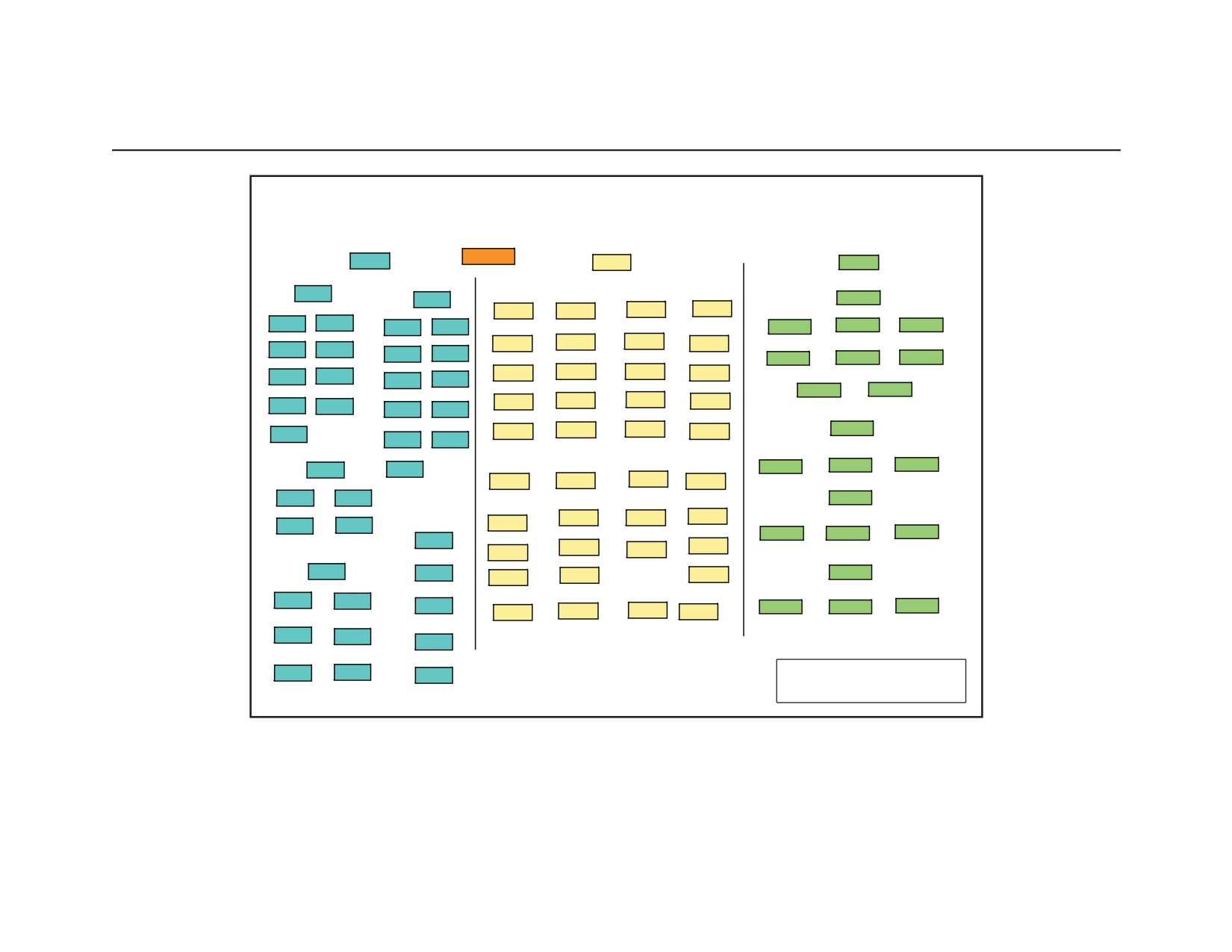
ANP Task Organization (End State)
CNPA
AUP
HQ
ABP
ANCOP
North
Central
x
HQ
AUP
HQ
AUP
x
x
x
x
1
ANCOP
Balkh
Jawjan
1
ABP
2
ABP
3
ABP
4
ABP
Kabul
Lagham
I
I
I
AUP
AUP
ANCOP
2
ANCOP
1
3
ANCOP
1
AUP
AUP
II
II
1
1
II
II
Sari Pul
Faryab
Nangarhar
Kunar
1
ABP
1
1
ABP
2
1
ABP
3
1
ABP
4
AUP
AUP
I
I
I
AUP
AUP
ANCOP
1
5
ANCOP
1
6
ANCOP
1
Samangan
II
II
II
II
4
Baghan
Nuristan
Panisher
2
ABP
1
2
ABP
2
2
ABP
3
2
ABP
4
AUP
AUP
AUP
AUP
I
I
II
II
II
ANCOP
ANCOP
1
Kunduz
Takhar
II
7
1
8
Kapisa Parwan
ABP
1
3
ABP
2
3
ABP
3
ABP
4
AUP
AUP
3
3
AUP
AUP
II
II
x
Badakhshan
II
II
Bamyam
Logar
4
ABP
1
4
ABP
2
4
ABP
3
4
ABP
4
2
ANCOP
AUP
AUP
AUP
West
Maydan Wardak
II
II
II
ANCOP
2
ANCOP
2
3
ANCOP
2
HQ
AUP
AUP
x
x
x
x
1
2
5
ABP
6
ABP
7
ABP
8
ABP
Herat
Farah
x
AUP
AUP
3
ANCOP
II
II
II
II
Baghdis
Ghor
1
ABP
6
4
ABP
7
1
ABP
8
1
ABP
5
II
II
II
AUP
AUP
EAST
II
1
ANCOP
3
2
ANCOP
3
3
ANCOP
3
HQ
AUP
II
II
II
2
ABP
6
ABP
7
2
ABP
8
2
ABP
5
4
South
Ghanzi
II
II
x
HQ
AUP
AUP
II
ANCOP
3
ABP
5
3
ABP
6
3
ABP
8
4
Kandahar
Urgan
Khost
II
II
II
AUP
AUP
I
I
I
I
AUP
1
ANCOP
4
2
ANCOP
4
3
ANCOP
4
ABP
ABP
ABP
ABP
Zabul
Day Kundi
Airport
Airport
Airport
Airport
AUP
AUP
Paktya
KIA
Herat
Kandahar MeS
AUP
Nimroz
Helmand
Paktika
ABP= Afghan Border Police
AUP
AUP
AUP
AUP= Afghan Uniform Police
ANCOP= Afghan National Civil Order Police
CNPA= Counter-Narcotics Police of Afghanistan
Figure 4-7: ANP organizational structure
U.S. UNCLASSIFIED
REL NATO, GCTF, ISAF, MCFI, ABCA
For Official Use Only
FIRST 100 DAYS OEF ETT HANDBOOK
37
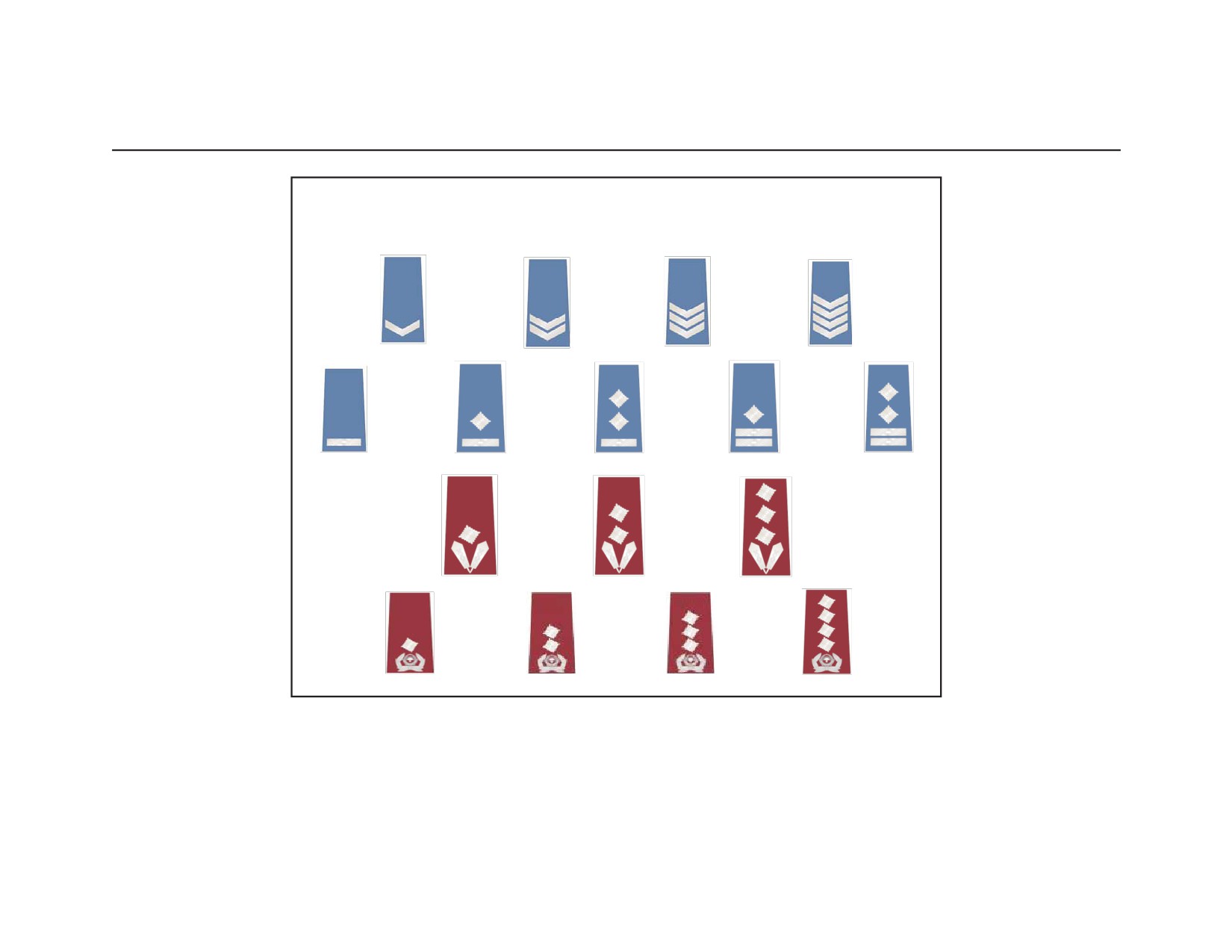
ANP Ranks
Corporal
1st Corporal
Sergeant
Staff Sergeant
2nd Lieutenant
Lieutenant
1st Lieutenant
Captain
Staff Captain
Major
Lieutenant Colonel
Colonel
Brigadier
General Major
General Lieutenant
General Colonel
Figure 4-8: ANP rank structure
U.S. UNCLASSIFIED
REL NATO, GCTF, ISAF, MCFI, ABCA
For Official Use Only
CENTER FOR ARMY LESSONS LEARNED
38
Focused District Development (FDD)
The goals of FDD include the following:
• Enhance ANP capabilities, starting with the AUP.
• Transform the AUP into a service loyal to the Afghan people and Afghan national interests.
• Build a “prosecutor-driven justice system” and the rule of law (ROL).
• Strengthen the AUP linkage to provincial, regional, and national leaders and staff.
• Develop MoI capabilities by mentoring its leadership of this initiative.
• Enable the Islamic Republic of Afghanistan and MoI to project success by improving the lives of Afghan citizens at the
local level.
Six phases of reform:
• Phase I: District Assessment
• Phase II: Relief-in-place (RIP)/Transfer of authority (TOA) with ANCOP
• Phase III: AUP Reconstitution at the Regional Training Center
• Phase IV: ANCOP RIP/TOA with AUP (on order)
• Phase V: Focused Mentoring and Validation
• Phase VI: Police Mentor Team Overwatch and Sustainment Training
The district reform team (DRT) consists of the following:
• MoI office/chief of uniformed police representative (leader)
• Regional and/or provincial police chief representative
U.S. UNCLASSIFIED
REL NATO, GCTF, ISAF, MCFI, ABCA
For Official Use Only
FIRST 100 DAYS OEF ETT HANDBOOK
39
• Attorney general office representative
• Afghan local leadership representative
• MoI recruiting team
• ANCOP liaison
• ISAF regional command (RC) and/or Combined Security Transition Command-Afghanistan (CSTC-A) Afghan Regional
Security Integration Command representative
• European Union Police representative (ROL specialist)
• United Nations Assistance Mission in Afghanistan representative
• Afghan RC representative
• Linguists
• Appropriate security forces to protect and move the team
• Potential observers
Counter Narcotics Police of Afghanistan
The CNPA is in charge of counter narcotics operations in Afghanistan and operates under the control of the Afghan MoI.
National Directorate of Security
The NDS is Afghanistan’s version of a combined CIA and FBI.
U.S. UNCLASSIFIED
REL NATO, GCTF, ISAF, MCFI, ABCA
For Official Use Only
FIRST 100 DAYS OEF ETT HANDBOOK
41
Chapter 5
Afghan Counterinsurgency Training
“[We need] more, more, and still more counterinsurgency training for the trigger pullers. We ran into multiple conflicts where
task force commanders, not understanding the police mentor team mission, wanted to utilize Afghan National Police in a
kinetic role, not a police role.”
-MAJ, police mentor team chief
Afghan COIN Training
Afghanistan is not Iraq, but it is in a counterinsurgency (COIN) fight. Though the principles of COIN operations can be used
anywhere in the world, units must take cultural factors into consideration and how the principles are applied. Most newly-arriving
Soldiers will receive the basic COIN indoctrination while in-processing at Camp Phoenix; however, to truly understand the Afghan
COIN environment, Soldiers should take the week-long course at the Afghan COIN Academy at Camp Dahrulaman in Kabul. This
course is open to U.S., coalition, host nation, and other governmental agencies. Soldiers will participate in discussions and
problem-solving scenarios with Afghan soldiers, police, and ministry-level members.
COIN Academy Vision
The Afghanistan COIN Academy marries U.S. COIN doctrine to Afghan application and fosters an Afghan-specific COIN mindset
across all stakeholders in country to achieve common Islamic Republic of Afghanistan and coalition strategic goals. The academy acts
as the focal point for the collection and dissemination of lessons learned; best practices; and tactics, techniques, and procedures (TTP)
for coalition and Afghan National Security Forces (ANSF) elements in theater, COIN proponents in the continental United States, and
International Security Assistance Force allies. Finally, the academy serves as a COIN advisory tool for commanders at all levels in
theater.
U.S. UNCLASSIFIED
REL NATO, GCTF, ISAF, MCFI, ABCA
For Official Use Only

CENTER FOR ARMY LESSONS LEARNED
42
COIN Academy as the Fusion Center
MOI
NDS
ISAF
CSTC-A
Is Rep of
Afghanistan
UNAMA
Afghanistan COIN Academy
MOD
ANATC
ANSF
Coalition Services
International Community
ANA
ANP
UNAMA
- United Nations Assistance Mission in Afghanistan
ANATC
- Afghan National Army Training Command
NDS - National Directorate of Security
- Afghanistan COIN Academy becomes fusion center for COIN
- Conduit between all government, military, non-military agencies/organizations
- Unity of effort in application of COIN principles along multiple lines of operation
- Trained counterinsurgents applying COIN throughout Afghanistan
- Distillation of effective COIN practices in Afghanistan
Figure 5-1
U.S. UNCLASSIFIED
REL NATO, GCTF, ISAF, MCFI, ABCA
For Official Use Only
FIRST 100 DAYS OEF ETT HANDBOOK
43
COIN Academy Strategic, Operational, and Tactical Objectives
Strategic:
• Advise/educate Government of the Islamic Republic of Afghanistan officials to implement COIN across all aspects of
national power.
• Advise and educate coalition/United Nations Assistance Mission in Afghanistan civilian and military officials on integrating
political, military, economic, social, infrastructure, and information.
• Support doctrinal development across ANSF.
• Facilitate lessons learned collection and integration at the doctrinal level.
• Provide a COIN strategic-level clearinghouse, a Web-based collaborative-forum that includes experts across the political,
military, social, and economic spectrums.
Operational:
• Provide combined training through national curricula targeting brigade/battalion staffs, company commanders, and
embedded training team leaders in ANSF and coalition forces and civilian equivalents.
• Provide in situ tailored training targeting COIN deficiencies or to support operational planning at the command level.
• Incorporate COIN into ANSF training and education continua/curricula by supporting ANSF training centers.
• Facilitate lessons learned collection and integration at the operational level.
Tactical:
• Facilitate lessons learned collection and integration at the tactical level with best practices, TTP, Smartbooks, etc.
• Provide COIN Leaders’ Course, ETT/OMLT training, and military transition teams; disseminate COIN information
down-range.
U.S. UNCLASSIFIED
REL NATO, GCTF, ISAF, MCFI, ABCA
For Official Use Only
CENTER FOR ARMY LESSONS LEARNED
44
“Our Soldiers are faced with an incredible challenge not only in the environment, but just making sense of their area of
operations. Every valley is different from the next. The local tribes all present unique challenges. Almost to a person,
everyone agreed that any COIN instruction they got was what helped them the most. They just need more of it.”
-MAJ David Hanselman, theater historian, 305th Military History Detachment, Combined Joint Task Force-82, CJ1
(who just returned from 3 weeks forward in the Bayonet area of responsibility)
U.S. UNCLASSIFIED
REL NATO, GCTF, ISAF, MCFI, ABCA
For Official Use Only
FIRST 100 DAYS OEF ETT HANDBOOK
45
Chapter 6
Afghan National Security Forces Logistics
“[We need] more emphasis on logistics requirements and procedures in Afghanistan.”
-LTC, Corps G4 mentor
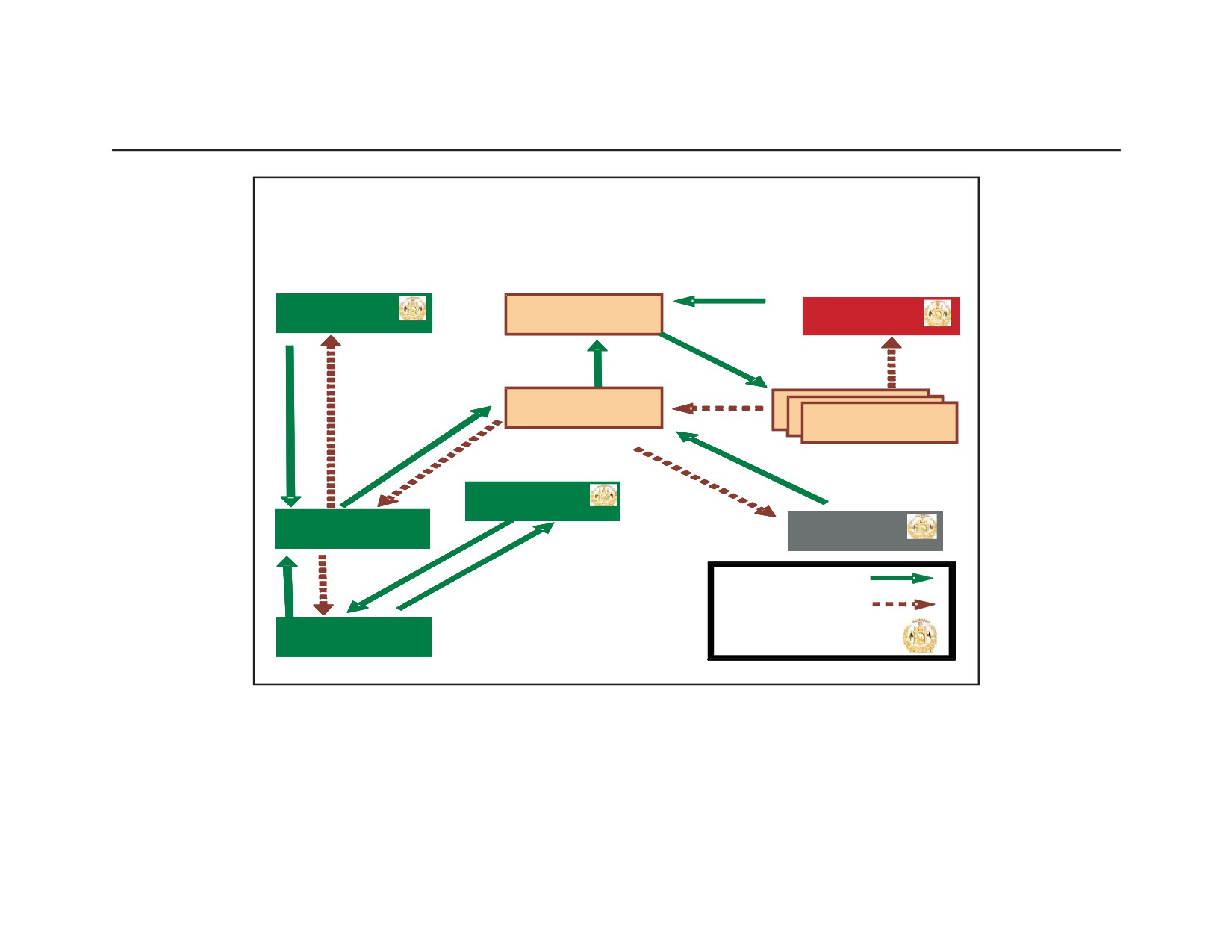
Ministry of Defense Form 14
To be an effective mentor/advisor, one must understand what his counterpart must go through to request logistics support. When the
Ministry of Defense (MoD) Form 14 was introduced, it required over 20 signatures (mostly of those who had no need to sign), which
was never the intent of the Afghan logistics process. As a result of this bureaucracy, some advisors/mentors thought it was easier to
order supplies through the U.S. or coalition system. Do not do this. The Afghan Nation Security Forces (ANSF) have a system. They
must learn to use it, embrace it, and take ownership of it. That is the only way this system will work. It may be a slow and painful
process now, but the more the Afghans understand and use their process, the faster they will get their supplies.
Afghan National Security Forces Logistics
Although getting better, logistics continues to be a challenge for the ANSF. Afghan National Army (ANA) logistics is better off than
the Afghan National Police (ANP), but still remains a challenge. The Ministry of Interior’s (MoI) logistical system for the ANP
mirrors the MoD’s system.
Mentors play a critical role in enforcing the logistics standards. Mentors must:
• Know and understand the MoD Form 14 process.
• Ensure that Afghans go through their channels—generate the request (even for items that are not readily available in the
Afghan system).
• Track and verify requests.
• Use operational funds only when the ANSF logistics systems has been utilized/exhausted.
U.S. UNCLASSIFIED
REL NATO, GCTF, ISAF, MCFI, ABCA
For Official Use Only
CENTER FOR ARMY LESSONS LEARNED
46
MoD forms:
• MoD ANA Form 2 (Stock Accounting Record)
• MoD ANA Form 3 (Register of Supply Actions)
• MoD ANA Form 4 (Document Control Register)
• MoD ANA Form 9 (Item Materiel Issue Order)
•
* MoD ANA Form 14 (Request for Issue or Turn-In)
• MoD ANA Form 1298 (Due out Record)
* Key form for ANSF logistics
U.S. UNCLASSIFIED
REL NATO, GCTF, ISAF, MCFI, ABCA
For Official Use Only
FIRST 100 DAYS OEF ETT HANDBOOK
47
MoD
14 and Material Flow
(Corps HQs Form 14
(24 Hrs to process
Approved by HQs Cdr)
to Supporting Depots)
Start
Corps
Log Cmd
Kabul
HQs
(G4)
Support Ops
Units
Start
Class
II, IV, VI
VII, VIII
Forward Supply Depot
National
(If out of stock, Class I,
Depots
III, V request goes to
Log Cmd)
Brigade
Start
Approving Authority
Sustainment
1
Units
Kandak
Above Corps
3
MoD & ANA Form 14 flow
2
Material Delivery / Pickup
Start
Kandaks
Approval authority Stamp
Assign Doc #
(Approving authority is on a Form 1687)
Figure 6-1
U.S. UNCLASSIFIED
REL NATO, GCTF, ISAF, MCFI, ABCA
For Official Use Only
CENTER FOR ARMY LESSONS LEARNED
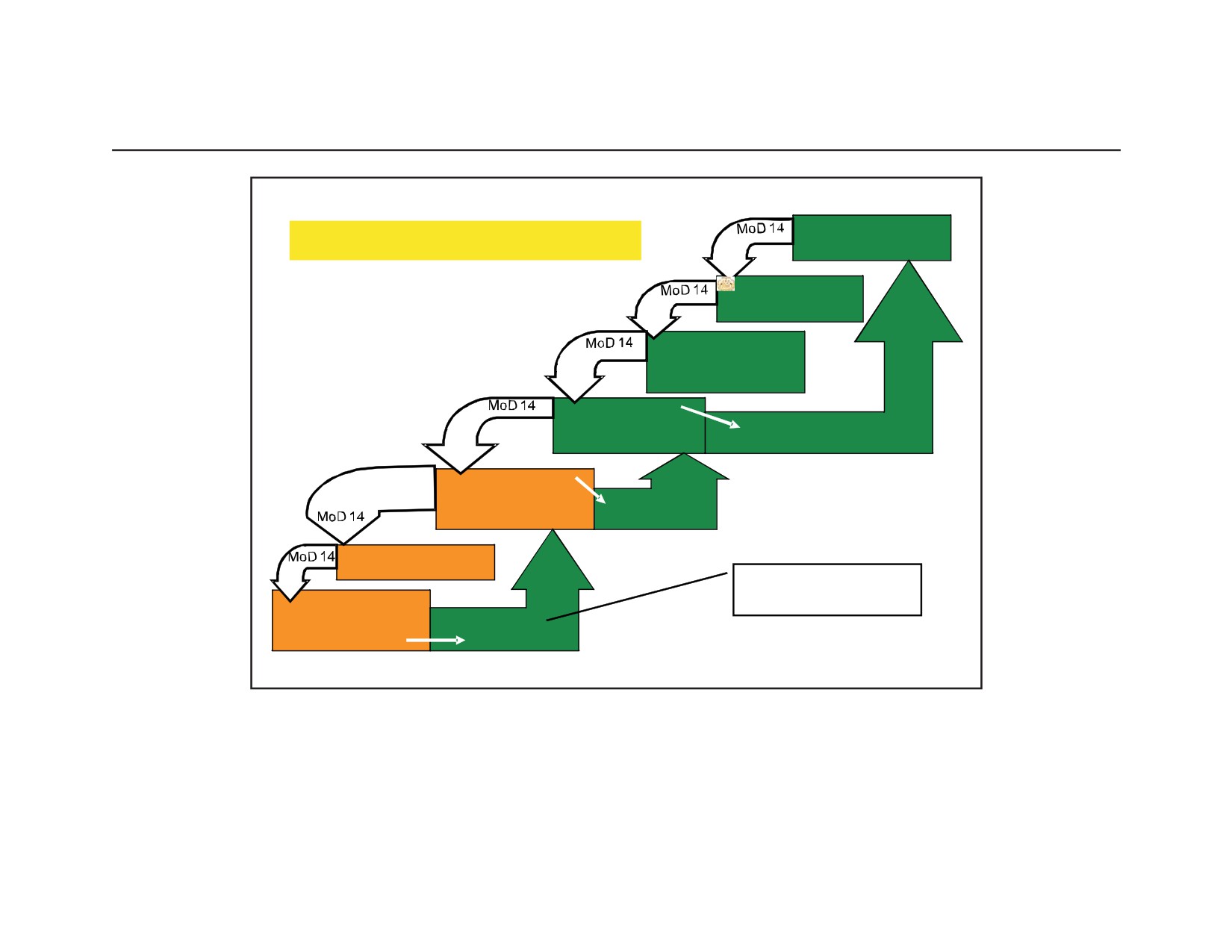
48
Kandaks
MoD 14 Flow from Kandaks
Originate MoD 14
Bde S4
Approving Authority
Originating Kandak
Assigns Doc #
In Stock
Sustainment
MoD 9
Kandak
& Issued Items
Class II,IV,VI-IX
In Stock
And Out of Stock
Class I,III,V
Fwd Sup Depots
MoD 9
& Issued Items
Log Cmd
Support Operations
Copy of the MoD 9 is also sent to
Log Cmd Support Operations,
Distribution Division
National Depots
MoD 9
In Stock
& Issued Items
Figure 6-2
U.S. UNCLASSIFIED
REL NATO, GCTF, ISAF, MCFI, ABCA
For Official Use Only

FIRST 100 DAYS OEF ETT HANDBOOK
49
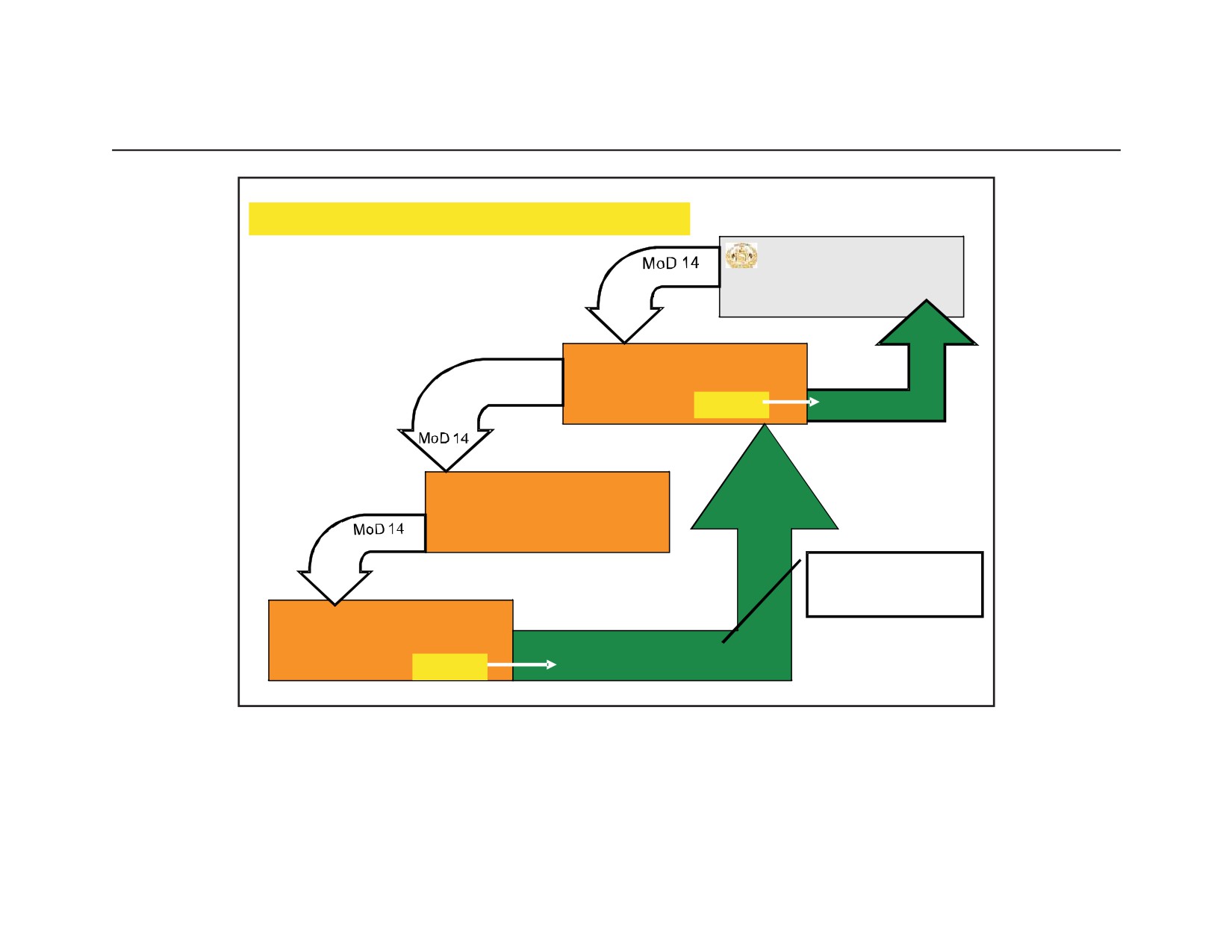
MoD 14 Flow From Corps HQs
Corps HQs
In Stock
Sustainment
MoD 9
Kandak
& Issued Items
Class II,IV,VI-IX
In Stock
And Out of Stock
Fwd Sup Depot
MoD 9
Class I,III,V
& Issued Items
Log Cmd
Support Operations
Copy of the MoD 9 is also sent to
MoD 9 & Issued Items
Log Cmd Support Operations,
National Depots
Distribution Division
In Stock
Figure 6-3
U.S. UNCLASSIFIED
REL NATO, GCTF, ISAF, MCFI, ABCA
For Official Use Only
CENTER FOR ARMY LESSONS LEARNED
50
MoD 14 Flow from Units Above Corps
Units Above Corps
Class II,IV,VI-IX
And Out of Stock
Fwd Sup Depots
Class I,III,V
MoD 9
In Stock
& Issued Items
Log Cmd Spt Ops
Copy of the MoD 9 is also
sent to Log Cmd Support
Operations, Distribution
Division
National Depots
MoD 9
& Issued Items
In Stock
Figure 6-4
U.S. UNCLASSIFIED
REL NATO, GCTF, ISAF, MCFI, ABCA
For Official Use Only

FIRST 100 DAYS OEF ETT HANDBOOK
51
MoD 14 Flow from Kabul Units
Commanders of Kabul Area Units or
Kabul Units
the Directors of Kabul Area Units
which have stamps
201st Corps
Supporting Kandak
Log Cmd Spt Ops
Copy of the MoD 9 is also
sent to Log Cmd Support
Operations, Distribution
Division
National Depots
Mod 9 & Issued Items
In Stock
Figure 6-5
In-depth instruction of the ANA supply system and property accountability is available from defense contractor instructors in Kabul.
U.S. UNCLASSIFIED
REL NATO, GCTF, ISAF, MCFI, ABCA
For Official Use Only
FIRST 100 DAYS OEF ETT HANDBOOK
53
Chapter 7
Coalition Units
“I wish I had a better understanding of the command relationship between embedded training teams and the International
Security Assistance Force.”
-LTC, TAG mentor in Kabul
International Security Assistance Force (ISAF)
Each coalition force is under the command of ISAF. See Figure 7-1 on the following page for ISAF’s organizational chart and
mission.
U.S. UNCLASSIFIED
REL NATO, GCTF, ISAF, MCFI, ABCA
For Official Use Only

CENTER FOR ARMY LESSONS LEARNED
54
Afghanistan Command and Control
USCENTCOM
US EMBASSY
SHAPE
JFC Brunssum
ISAF
Task Force
Counter-Terrorism
DCOMISAF
CoS
CSTC -A
Director, Air
DCOS
DCOS
DCOS
Coord Element
Stability
Support
Operations
DCG International
DCG
DCG
DCG
Chief of Staff
Afghan
Afghan
Security Cooperation
Pol - Mil
Nat’l Army
Nat’l Police
RC West
RC South
RC Capital
RC North
RC East
CJTF-101
CG Combined
CJTF
DCG ANA
Air Power
Phoenix
Training CMD
National command
Tranistion Force
Coordination
National
Afghanistan
Support
NATO OPCON
Element
Engineer
4-101
173
US TACON
Brigade
Brigade
CJSOTF-A
District
Combat
Combat
US ADCON
Team Team
Figure 7-1
U.S. UNCLASSIFIED
REL NATO, GCTF, ISAF, MCFI, ABCA
For Official Use Only

FIRST 100 DAYS OEF ETT HANDBOOK
55
North Atlantic Treaty Organization (NATO)-ISAF1
Through the United Nations-mandated ISAF, NATO is assisting the Afghan government in extending and exercising its authority and
influence across the country, creating the conditions for stabilization and reconstruction.
ISAF’s key military tasks include assisting the Afghan government in extending its authority across the country, conducting stability
and security operations in coordination with the Afghan Nation Security Forces, mentoring and supporting the Afghan National Army
(ANA), and supporting Afghan government programs to disarm illegally armed groups.
Two groups that are key to ISAF efforts are operational mentor and liaison teams (OMLTs) and provincial reconstruction teams
(PRTs).
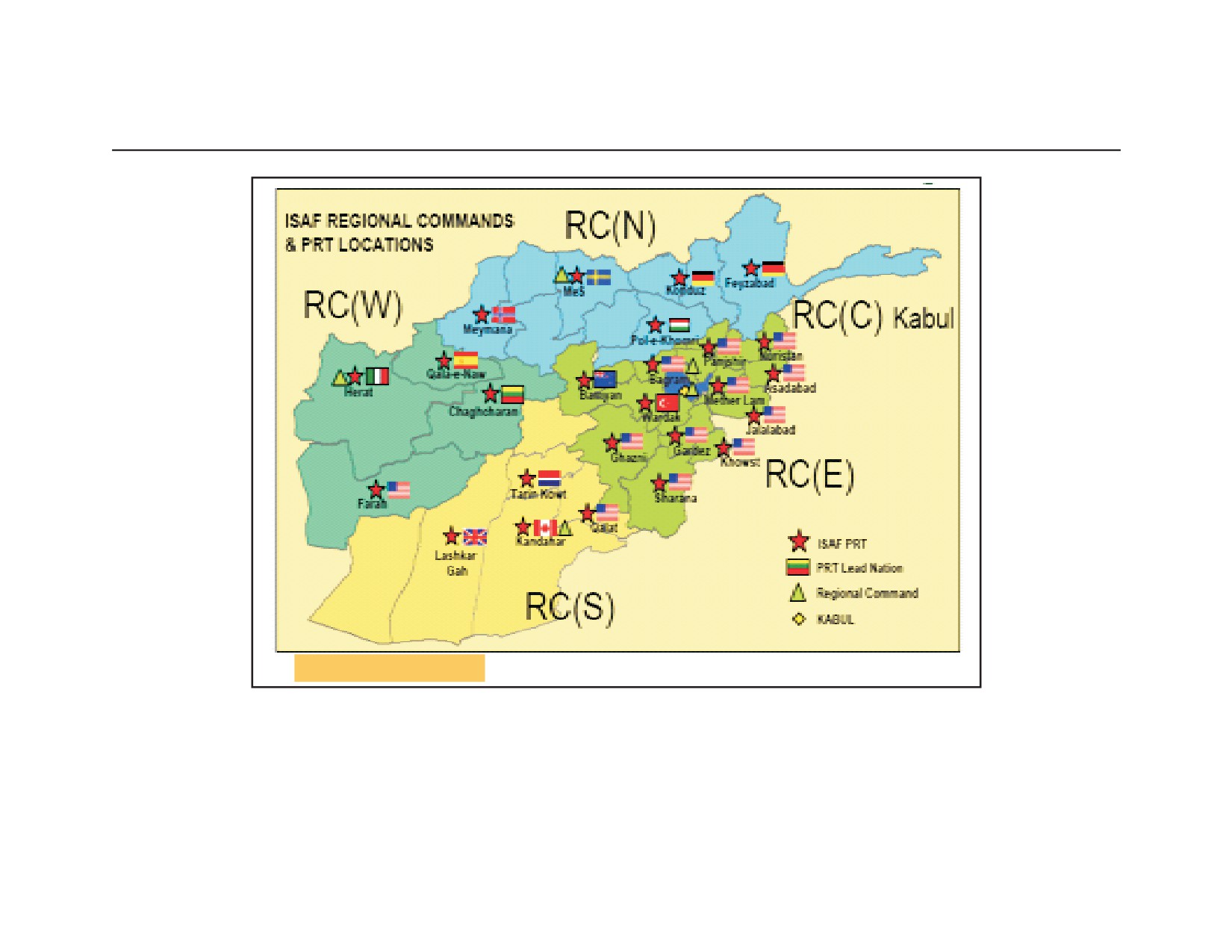
In order to accomplish its mission, ISAF has divided Afghanistan into 5 regional commands (RCs). Certain nations have constraints
placed on their operational employment.
1 Based on <http://www.nato.int/isaf>
26 NATO Nations
11 Non-NATO Nations
BE
HU
PO
ALB
MAC
BU
IC
RO
AUS
IRL
CA
IT
SK
AUT
NZL
CZ
LA
SN
AZE
SWE
DA
LI
SP
HRV
CHE
ES
LU
TU
FIN
FR
NL
UK
GE
NO
US
GR
PL
Figure 7-2: NATO and non-NATO nations
U.S. UNCLASSIFIED
REL NATO, GCTF, ISAF, MCFI, ABCA
For Official Use Only
CENTER FOR ARMY LESSONS LEARNED
56
Operational Mentor and Liaison Teams
Overview1
The OMLT program is a key contribution by NATO’s ISAF mission towards developing the ANA:
• OMLTs are embedded in ANA battalions (Kandaks), brigades, garrisons, and corps headquarters (HQ)
• OMLTs provide training and mentoring to support ANA units’ operational deployments
• OMLTs also provide a liaison capability between ANA and the ISAF, coordinating the planning of operations and ensuring
that the ANA units receive enabling support
• Corps HQ and garrison OMLTs do not deploy from their assigned locations
• Brigade and Kandak OMLTs deploy throughout Afghanistan with their ANA partner units
• OMLTs are composed of 12-19 personnel, depending on the type of partner unit
• OMLT personnel deploy for periods of at least six months in order to build enduring relationships with the ANA and
maximize the mentoring effect
• OMLT training is a three-phase process, consisting of national training, NATO predeployment training, and in-theater
training
OMLT nations1 (as of Sep 07)
Canada, Croatia, France, Germany, Italy, Netherlands, Poland, Spain, United Kingdom, and the United States have contributed full
OMLTs/embedded training teams (ETTs).
Canada, Croatia, Czech Republic, France, Germany, Netherlands, Norway, Slovenia, Sweden, and the United Kingdom have
contributed personnel to multinational OMLTs/ETTs.
U.S. UNCLASSIFIED
REL NATO, GCTF, ISAF, MCFI, ABCA
For Official Use Only
FIRST 100 DAYS OEF ETT HANDBOOK
57
Provincial Reconstruction Teams
Overview1
PRTs are small teams of civilian and military personnel working in Afghanistan’s provinces to provide security for aid workers and
help reconstruction work.
In addition to regular patrols and security operations, NATO-ISAF PRTs also assist in rehabilitating schools and medical facilities,
restoring water supplies, providing agricultural technical assistance, and many other civil-military projects.
Currently, there are 25 PRTs operating throughout the country.
1 Based on <http://www.nato.int/isaf>
U.S. UNCLASSIFIED
REL NATO, GCTF, ISAF, MCFI, ABCA
For Official Use Only
CENTER FOR ARMY LESSONS LEARNED
58
1 Based on www.nato.int/isaf
Figure 7-3
U.S. UNCLASSIFIED
REL NATO, GCTF, ISAF, MCFI, ABCA
For Official Use Only
FIRST 100 DAYS OEF ETT HANDBOOK
59
Chapter 8
Field Ordering Officers and Commander’s Emergency Response Program
“[We need more] training on Commander’s Emergency Response Program and field ordering officers. A lot of teams did not
know about these programs until about 2-3 months after being assigned to their forward operating bases.”
-SFC, Afghan Regional Security Integration Command South J9 noncommissioned officer in charge
As an embedded training team member, you may be required to obtain new skills, such as handing field ordering officer (FOO) money
or managing Commander’s Emergency Response Program (CERP) funds. Basically these programs are normally developed and run
by each major command. You should receive additional training prior to executing these duties.
Field Ordering Officers
FOOs are Department of Defense (DOD) personnel authorized to expend operating funds for mission-essential operating expenses
valued at $3,000 or less under a contracting officer’s supervision. FOOs allow deployed units to purchase mission-critical
requirements that cannot be obtained by the unit through military supply systems or higher headquarters. A FOO cannot be a finance
and accounting officer, disbursing officer, pay agent (PA), property book officer, acquisition staff officer, or contracting officer’s
representative, unless an exception is made at the discretion of the contracting office.
Remember the following:
• FOO authority may not be delegated.
• FOOs and PAs are teams and both must be present at time of purchase.
• FOOs cannot purchase recurring requirements with operating funds.
• Expenses >$3000 are not allowed. Only a warranted contracting officer can exceed this limit.
• Operating funds are for mission-critical needs, no luxuries!
U.S. UNCLASSIFIED
REL NATO, GCTF, ISAF, MCFI, ABCA
For Official Use Only
CENTER FOR ARMY LESSONS LEARNED
60
Nomination:
• Commander (0-5 and above) nominates (not appoints) a Soldier to be a FOO.
• FOO should also have a DD 577 (Signature Card) signed by commander.
• Soldiers (E-5 and above) can be nominated by the unit commander.
• Note: The FOO appointment letter will be issued from the contracting office. Neither the unit nomination letter nor the DD
Form 577 will authorize a FOO to make purchases using SF 44s.
• Finance office will not issue funds to PA without a copy of the FOO’s appointment letter from contracting and DD Form
577 from unit.
A FOO can purchase or pay for:
• Consumable, expendable supplies.
• Basic office supplies.
• Non-standard supplies.
• General equipment repair.
• Office machine repair.
• Information technology (IT) equipment repair.
• IT accessories—flash drives, USB hubs, cables, keyboard, mouse, battery packs, cartridges, toner (1 at a time).
• Film processing critical to mission.
• Firewood (if no contract available).
• Sanitation services not on contract.
U.S. UNCLASSIFIED
REL NATO, GCTF, ISAF, MCFI, ABCA
For Official Use Only
FIRST 100 DAYS OEF ETT HANDBOOK
61
• Live animals for training aids.
• Cargo/personnel transportation.
• Class 3 items-fuel, oil, brake fluid.
• Class 4-lumber, plywood, 2x4s.
• Class 9-oil filters, spark plugs, tires.
• Minor vehicle repair.
• Minor roadside repair.
• Batteries.
• Basic cleaning supplies.
• Safe or backpack to secure FOO money.
• Weather-proofing supplies.
• Training aid material.
• Temporary service < 30 days.
• Rental of cars, trucks, boats, cranes (requires prior approval of battalion commander).
FOOs should never use operating funds to purchase:
• Items available from military supply systems or from contracts/blanket purchase agreements.
• Recurring requirements; leases/rentals over 30 days.
• Copying/printing costs.
U.S. UNCLASSIFIED
REL NATO, GCTF, ISAF, MCFI, ABCA
For Official Use Only
CENTER FOR ARMY LESSONS LEARNED
62
•
Any IT hardware (e.g., printers, internal computer parts, or any item that can be plugged into the Internet).
•
Food and drinks, other than bottled water.
•
Carpet, curtains/rods, drapes, similar furnishings.
•
Permanent construction; large DOD supplies or equipment.
•
Digital cameras, cell phones, radios, communication equipment, celebration items (flowers, coins, patches, flags, etc.), and
morale, welfare, and recreation items, such as TV/DVDs, weights, and sports equipment.
•
Medicine.
•
Newspapers/magazine subscriptions.
•
Luxury items.
•
Religious items.
•
Taxes, bribes, consultant fees.
•
Payroll, overtime, extra duty.
•
Personal or labor services with foreign government employees.
•
Burial costs.
•
Intelligence/surveillance.
•
Guns/ammunition/explosives.
•
Phone cards.
U.S. UNCLASSIFIED
REL NATO, GCTF, ISAF, MCFI, ABCA
For Official Use Only
FIRST 100 DAYS OEF ETT HANDBOOK
63
Basic FOO rules:
• Determine if item is available from military supply channels.
• If the item is non-expendable (durable) require a hand-receipt to ensure accountability; a Letter of Justification must be
approved by the contracting office prior to purchase.
• The FOO holds all hand receipt responsibility.
• Cash and carry only: FOO cannot pick up items or have them delivered later.
• No partial payments; payment in full is required. For short-term leases/rentals <30 days (generators, vehicles, other
transportation needs) pay vendor at end of lease/rental. For everything else require payment in full.
• The limit for the total requirement is $3,000.
º Do not split into multiple requirements to stay under ceiling.
º Examples of split requirements—$2900 purchases for same item from same vendor on separate days.
• Avoid any appearance of impropriety; do not do anything that might adversely affect public confidence in the integrity of
the government acquisition system; do not accept gifts or play favorites with vendors.
Commander’s Emergency Relief Program
The purpose of the CERP is to enable local commanders to respond to urgent humanitarian relief and reconstruction requirements
within their operating areas of responsibility (AORs) by carrying out programs that will immediately assist the Afghan people and
capacity-building across the Regional Command-East lines of operation. The Afghanistan Combined/Joint Operational Area (CJOA)
continues to mature; CERP projects are shifting from basic needs to more complex reconstruction and development, institutional, and
economic capacity building projects.
CERP funds are U.S. appropriated funds available for use during the fiscal year for which they were appropriated by Congress.
CJTF-101 receives CERP funding from higher headquarters in allotments at various times throughout the year based on obligation
rates.
U.S. UNCLASSIFIED
REL NATO, GCTF, ISAF, MCFI, ABCA
For Official Use Only
CENTER FOR ARMY LESSONS LEARNED
64
The CERP utilizes project purchasing officers (PPOs) and PAs to purchase supplies and contract services. The PPO and PA for any
given project cannot be the same person.
Task force (TF) commanders appoint PPOs in writing. It is highly recommended that PPOs be grade E-7 or higher. PPOs receive
general procedural training from their TF CERP manager prior to executing CERP responsibilities. PPOs are also strongly
encouraged to seek additional training on contracting specifics from the regional contracting offices. A record of the training must be
maintained at the TF level. PPOs must complete a DD Form 577, Appointment/Termination Record-Authorized Signature (i.e.,
Signature Card), and provide the original to the servicing finance office and a copy to the Regional Management (RM) office. Also,
PPOs will complete an OGE Form 450 within 30 days of initial appointment. A copy of this form will be sent to the CJTF-101 staff
judge advocate (SJA) administrative law chief.
TF commanders appoint PAs in writing with a designated spending authority limit. PAs must be grade E-6 or above. If it is not
possible to appoint a PA in the grade of at least E-6, the commander must request a waiver from the 726th Finance Battalion
commander. The maximum dollar amount PAs may draw (total out at one time) from the finance office must be specified prior to the
TF commander’s appointment. This amount will be annotated on the appointment orders.
Each unit’s commander is responsible for ensuring adequate security for funds in the custody of the PA. PAs receive CERP
procedural training from the TF CERP manager and training on financial transaction procedures from the finance office disbursing
officer. A record of the training must be maintained at the TF level. PAs must complete a DD Form 577, and provide the original to
the servicing finance office and a copy to the RM office. Additional duties include overall project management and quality
assurance/quality control. Payments to contractors will be made if the contractor has executed to standard in accordance with the
project construction specifications and drawings included in the contract. The PA reports weekly to the PPO on percentage complete
and estimated completion date.
The CERP may be used to assist the Afghan people in the following representative areas:
• Water and sanitation.
• Food production and distribution.
• Agriculture.
• Electricity.
U.S. UNCLASSIFIED
REL NATO, GCTF, ISAF, MCFI, ABCA
For Official Use Only
FIRST 100 DAYS OEF ETT HANDBOOK
65
•
Healthcare.
•
Education.
•
Telecommunications.
•
Economic, financial, and management improvements.
•
Transpiration.
•
Rule of law and governance.
•
Irrigation.
•
Civic cleanup activities.
•
Civic support vehicles.
•
Repair of civic and cultural faculties.
•
Repair or payment for repair of property damage that results from U.S., coalition, or supporting military operations and is
not compensable under the Foreign Claims Act.
•
Condolence payments to individual civilians for death or physical injury resulting from U.S., coalition, or supporting
military operations not compensable under the Foreign Claims Act. Condolence payments may include payments
(sometimes referred to as ‘martyr payments’) made to the surviving spouse or next of kin of defense or police personnel
who were killed as a result of U.S. coalition or supporting military operations.
•
Payments to individuals upon release from detention.
•
Protective measures, such as fencing, lights, barrier materials, berming over pipelines, guard towers, temporary civilian
guards, etc. to enhance the durability and survivability of a critical infrastructure site (oil pipelines, electric lines, etc.).
•
Other urgent humanitarian or reconstruction projects.
U.S. UNCLASSIFIED
REL NATO, GCTF, ISAF, MCFI, ABCA
For Official Use Only
CENTER FOR ARMY LESSONS LEARNED
66
CERP Approval Authority Levels and Commander Approval Authorities
Only a U.S. military commander may serve as an approving authority:
• Project nominations over $200 thousand (K): commanding general (CG) or designated representative.
• Project nominations between $25K-$200K: O-6 level commander (TF commander).
• Project nominations up to $25K: O-5 level commander (battalion/provincial reconstruction team commander).
• Project nominations over $500K are to be approved by the CG only. Following approval, all documentation included in the
project nomination must be forwarded to the Army Central Command Concept of Operations for review before funds can be
certified.
U.S. UNCLASSIFIED
REL NATO, GCTF, ISAF, MCFI, ABCA
For Official Use Only
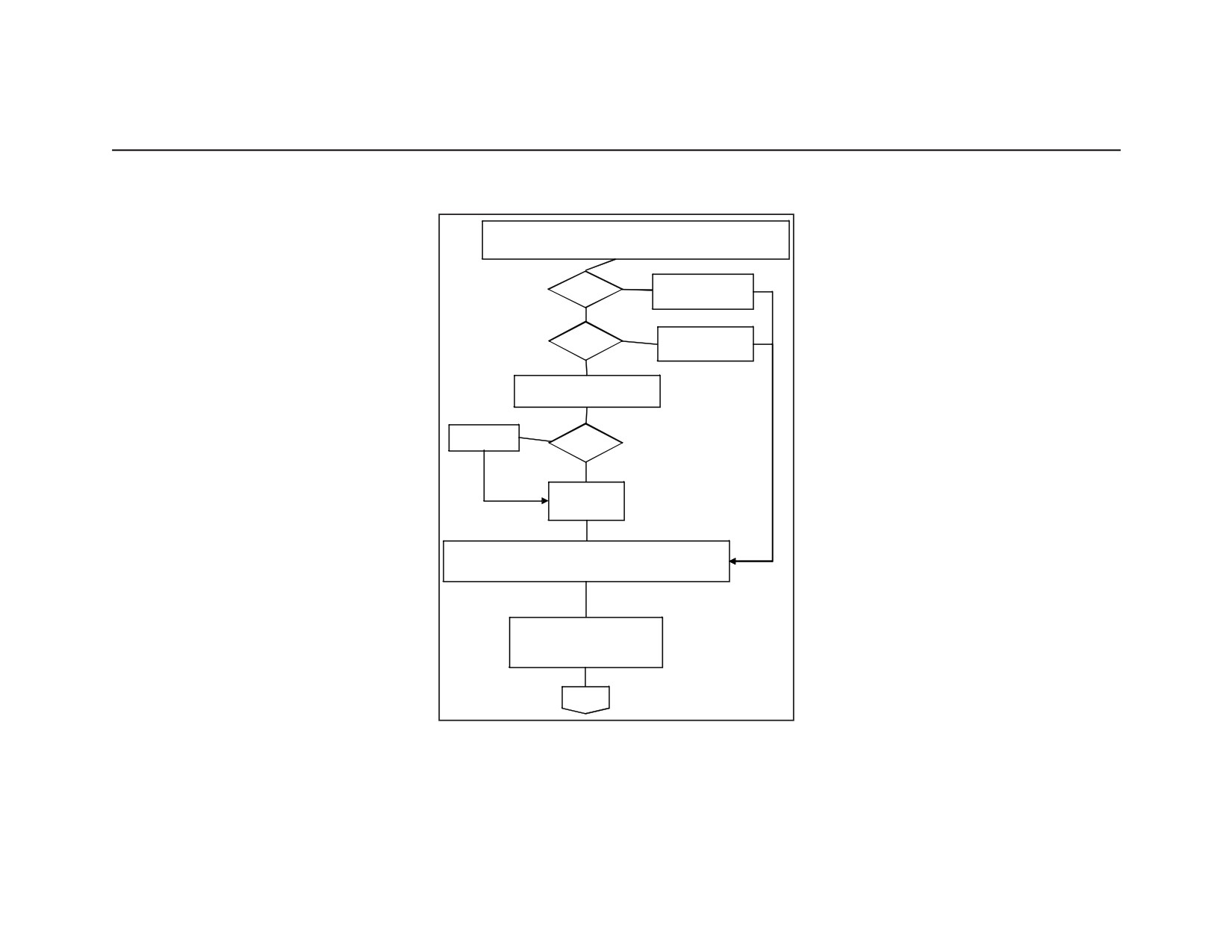
FIRST 100 DAYS OEF ETT HANDBOOK
67
Steps to complete a CERP project (flowchart)
Project purchasing officer (PPO) prepares Afghan Development Report
(ADR) in Combined Information Data Network Exchange,
which assigns unique project number. PPO submits to CERP manager.
Is project
no
Battalion or Provencial
>$25K
Reconstruction Team (PRT)
commander approves project
yes
no
>$200K or use
Task force (TF)
commander approves
CG funds?
project
yes
TF commander reviews ADRs/forwards
his approved projects to
CJTF -101 CJ9 CERP manager
Submit for staff
Yes
section review
Is project
>$200K
no
Project to CERP
review board
PPO enters project into their CERP checkbook, then prepares
DA Form 3953, Purchase, Request & Commitment (PR&C) & submits to TF CERP
manager.
TF CERP manager submits PR&C to
Resource Management (RM)
for funds to be committed (one project per
PR&C); PPO enters commitment on
CERP checkbook.
Go to
next page
Figure 8-1
U.S. UNCLASSIFIED
REL NATO, GCTF, ISAF, MCFI, ABCA
For Official Use Only

CENTER FOR ARMY LESSONS LEARNED
68
Continued
from previous
page
PPO & vendor sign contract (all projects must
have a contract) & PPO submits contract to TF
CERP manager
TF CERP manager submits contract to RM
for funds to be obligated; PPO enters obligation on
CERP checkbook.
PA draws funds (Afghanis) for interim/final payments from
servicing finance office via project PR&C; finance records amount
on DD Form 1081, Statement of Agent Accountability, or SF 1034 for EFTs
PA pays vendor (disbursement) in Afghanis via SF 44, Purchase
Order-Invoice-Voucher; signatures on SF 44: PPO, PA, & vendor;
PA records payment of reverse side of PR&C
PA clears servicing finance office & RM at least every 30 days
& NLT 15 Sep of each FY; return PR&C, SF 44s, DD Form 1081,
& remaining cash to finance
PPO records disbursement on CERP checkbook and updates
the CERP project database weekly
TF CERP manager reports weekly to the CJTF 101 CJ9 that the
database has been updated.
Is this the
final payment?
no
yes
PPO prepares project closure report for TF
commander’s signature & terms of use
contract for project recipient’s signature
PPO files all related project documentation together for
historical/audit purposes for 5 years
End
Figure 8-2
U.S. UNCLASSIFIED
REL NATO, GCTF, ISAF, MCFI, ABCA
For Official Use Only

FIRST 100 DAYS OEF ETT HANDBOOK
69
Commander’s Emergency Response Program (CERP)
Projects >$200K Development Process
CERP
CJTF -CJ9
REVIEW
CJTF -CJ8
BOARD
Resource Management
$
Battalion (BN)/
BN/PRT/TF
Provencial Reconstruction Team (PRT)/
Task Force (TF)
CERP Review Board: CoS, CJ3, CJ5, CJ7, CJ8, CJ9, SJA
Figure 8-3
U.S. UNCLASSIFIED
REL NATO, GCTF, ISAF, MCFI, ABCA
For Official Use Only
CENTER FOR ARMY LESSONS LEARNED
70
CERP review board
The CERP Review Board will convene weekly, or as needed, to verify that all project nominations are legitimate and advisable uses
of CERP funds. The board will be chaired by the CJTF-101 chief of staff with voting members from the CJ5, CJ7, CJ8, CJ9, and
CJTF-101 SJA. Although the TFs are not voting members of the board, their attendance and participation are essential to ensuring
the most detailed justifications and accurate information regarding the project nominations are presented.
CERP relief-in-place (RIP)/transfer of authority (TOA) procedures
Prior to a unit leaving theater, the outgoing unit will complete a TOA document with the incoming unit. The outgoing unit
commander will ensure that the necessary documentation is updated on all projects. This includes projects that have been nominated;
submitted for approval; approved; or are active, completed, or cancelled. The incoming unit commander will ensure appropriate
personnel have received a thorough briefing from the outgoing unit on all transferred projects executed within their area of operation
(AO) and that PPOs/PAs have received initial training. Upon completion of information exchange and satisfactory training, the
outgoing and incoming commander and PPO will sign the TOA document.
Incoming units assume responsibility for maintaining all CERP project records and for representing CERP operations during any
audit or investigation. However, outgoing units remain pecuniarily liable and administratively responsible for all CERP operations
conducted. The TOA document does not relieve outgoing unit personnel (including the commander, PPOs, and PAs) of any
pecuniary liability or administrative/disciplinary action for actions conducted during the course of CERP operations, including
instances of theft, fraud, waste, and abuse.
Outgoing units will transfer all closed project records to the incoming unit. Project records must be retained at the unit for five years
after project completion. The outgoing unit must ensure all records are present and complete. Any deficiencies should be identified
and corrected prior to the arrival of the incoming unit. Minor deficiencies and/or missing documents that cannot be corrected or
replaced on the spot should be listed on the TOA documentation. Memorandums for records documenting the deficiencies, attempts
made to fix them, and the circumstances in which they occurred should be prepared and included in the project records. Incoming
CERP personnel will review closed project records and be prepared to represent closed projects executed by predecessors during
audits or inquiries.
Incoming and outgoing PPOs must review all ongoing contracts together. Outgoing PPOs will explain all terms of each contract,
specified tasks directed to the vendor, and payment terms. Incoming PPOs should be introduced to vendors or vendors’
U.S. UNCLASSIFIED
REL NATO, GCTF, ISAF, MCFI, ABCA
For Official Use Only
FIRST 100 DAYS OEF ETT HANDBOOK
71
representatives who have the authority to negotiate changes to contract terms. Incoming PPOs should also be introduced to any agents
of the vendor authorized to receive payment.
Outgoing PPOs must provide incoming PPOs all details pertaining to payments made to date and payments due for each open project.
Units will schedule on-site visits for all open projects during the RIP/TOA process. Outgoing PPOs should coordinate with the vendor
to ensure they are present at the time of the visit.
Units redeploying without follow-on U.S. forces or who are being replaced by a coalition or International Security Assistance Force
nation should initiate a plan to complete all projects already in progress. However, it may be necessary to designate stay-behind
personnel or assign U.S. liaison officers to inspect projects and/or make payments. Designated personnel must be trained CERP
PPOs/PAs on appointment orders.
Stowage of all funds must be in accordance with Department of Defense Financial Management Regulation (FMR), Volume 5,
Chapter 3, paragraph 30304 (pp. 47-48). In alignment with this regulation, CERP PAs must have the capability to store $50K or more.
Therefore, they will have a burglary-resistant safe or vault carrying at least an Underwriters’ Laboratories classification of
Tool-Resistant Safe, TL-30, and having a Group 1R combination lock. Generally, safes must meet General Services Administration
specifications or be certified as an “Underwriter’s Listed device.” Weight requirements and security regulations must be in
compliance with the FMR.
The PPO is responsible for keeping a complete file of all CERP project documentation for five years after project completion,
including the documents listed in Enclosure 2. When an AOR transfers from U.S. to another coalition nation’s control, the unit’s PPO
must ship all CERP project files to the TF CERP manager. The TF CERP manager is then responsible for keeping those files for the
remainder of the five year period. Likewise, when a region transfers from U.S. to ISAF control, the TF CERP manager must ship all
TF CERP project files to the CJTF-101 CJ9 CERP manager. The CJTF-101 CJ9 CERP manager is then responsible for keeping those
files for the remainder of the five years.
U.S. UNCLASSIFIED
REL NATO, GCTF, ISAF, MCFI, ABCA
For Official Use Only
FIRST 100 DAYS OEF ETT HANDBOOK
73
PROVIDE US YOUR INPUT
To help you access information quickly and efficiently, Center for Army Lessons Learned (CALL) posts all publications, along with numerous
other useful products, on the CALL Web site. The CALL Web site is restricted to U.S. government and allied personnel.
PROVIDE FEEDBACK OR REQUEST INFORMATION
If you have any comments, suggestions, or requests for information (RFIs), use the following links on the CALL home page: “Request for
Information or a CALL Product” or “Give Us Your Feedback.”
PROVIDE TACTICS, TECHNIQUES, AND PROCEDURES (TTP) OR SUBMIT AN AFTER-ACTION REVIEW (AAR)
If your unit has identified lessons learned or TTP or would like to submit an AAR, please contact CALL using the following information:
Telephone: DSN 552-9569/9533; Commercial 913-684-9569/9533
Fax: DSN 552-4387; Commercial 913-684-4387
NIPR Email address: call.rfimanager@conus.army.mil
SIPR Email address: call.rfiagent@conus.army.smil.mil
Mailing Address: Center for Army Lessons Learned, ATTN: OCC, 10 Meade Ave., Bldg 50, Fort Leavenworth, KS 66027-1350.
U.S. UNCLASSIFIED
REL NATO, GCTF, ISAF, MCFI, ABCA
For Official Use Only
CENTER FOR ARMY LESSONS LEARNED
74
TO REQUEST COPIES OF THIS PUBLICATION
If you would like copies of this publication, please submit your request at: <http://call.army.mil>. Use the “Request for Information or a CALL
Product” link. Please fill in all the information, including your unit name and official military address. Please include building number and street
for military posts.
U.S. UNCLASSIFIED
REL NATO, GCTF, ISAF, MCFI, ABCA
For Official Use Only
FIRST 100 DAYS OEF ETT HANDBOOK
75
PRODUCTS AVAILABLE "ONLINE"
CENTER FOR ARMY LESSONS LEARNED (CALL)
Access and download information from CALL's Web site. CALL also offers Web-based access to the CALL Archives. The CALL home page
address is:
CALL produces the following publications on a variety of subjects:
• Combat Training Center Bulletins, Newsletters, and Trends
• Special Editions
• News From the Front
• Training Techniques
• Handbooks
• Initial Impressions Reports
You may request these publications by using the “Request for Information or a CALL Product” link on the CALL home page.
COMBINED ARMS CENTER (CAC)
Additional Publications and Resources
The CAC home page address is:
U.S. UNCLASSIFIED
REL NATO, GCTF, ISAF, MCFI, ABCA
For Official Use Only
CENTER FOR ARMY LESSONS LEARNED
76
Battle Command Knowledge System (BCKS)
BCKS supports the online generation, application, management, and exploitation of Army knowledge to foster collaboration among Soldiers and
units in order to share expertise and experience, facilitate leader development and intuitive decision making, and support the development of
organizations and teams. Find BCKS at <http://usacac.army.mil/CAC/bcks/index.asp>.
Center for Army Leadership (CAL)
CAL plans and programs leadership instruction, doctrine, and research. CAL integrates and synchronizes the Professional Military Education
Systems and Civilian Education System. Find CAL products at <http://usacac.army.mil/CAC/CAL/index.asp>.
Combat Studies Institute (CSI)
CSI is a military history “think tank” that produces timely and relevant military history and contemporary operational history. Find CSI products
Combined Arms Center-Training: The Road to Deployment
This site provides brigade combat teams, divisions, and support brigades the latest road to deployment information. This site also includes U.S.
Forces Command’s latest training guidance and most current Battle Command Training Program Counterinsurgency Seminars. Find The Road
to Deployment at <http://rtd.leavenworth.army.smil.mil>.
Combined Arms Doctrine Directorate (CADD)
CADD develops, writes, and updates Army doctrine at the corps and division level. Find the doctrinal publications at either the Army Publishing
Directorate (APD) <http://www.usapa.army.mil> or the Reimer Digital Library <http://www.adtdl.army.mil>.
Foreign Military Studies Office (FMSO)
FMSO is a research and analysis center on Fort Leavenworth under the TRADOC G-2. FMSO manages and conducts analytical programs
focused on emerging and asymmetric threats, regional military and security developments, and other issues that define evolving operational
environments around the world. Find FMSO products at <http://fmso.leavenworth.army.mil/recent.htm> or
U.S. UNCLASSIFIED
REL NATO, GCTF, ISAF, MCFI, ABCA
For Official Use Only