Amtrak. Service Standards Manual for Train Service and On-Board Service Employees (Version 6, 2011) - page 4
racks and storage compartments for any
unusual items. All findings must be reported to
the Conductor.
•
Once the equipment has been inspected and
cleared, Train and On-Board Service employees
will go car-to-car matching luggage and personal
belongings to the proper passenger while
checking for proper photo identification. All
findings must be reported to the Conductor.
•
In the event that crew members can not match
carry-on items (unclaimed) or a suspicious
package or device is found, all crew members
and passengers will be required to move two
(2) car lengths away from the package or
suspected device and ensure that all bulkhead
doors are closed and secured. No attempt
should be made to touch the package or
suspected device.
•
As soon as all passengers and crew members
are safely positioned away from the package or
suspected device, the Conductor will immediately
contact the Train Dispatcher with a description
and location of the package or suspected
device along with the car numbers of the
evacuated equipment.
•
In the event a passenger(s) cannot produce
photo identification when requested, the crew
should try to ascertain the name(s), date of
birth and any other relevant information about
the passenger(s). The information regarding
passenger(s) without photo identification will
be relayed to the Conductor who will inform
the Amtrak National Communications Center
(NCC) at (800) 331-0008 of the situation and
then wait for further instructions.
•
The Train Crew should prepare for a possible
evacuation of the entire train if instructed by
the Train Dispatcher.
4)
Standing Train Inspection
Operating crews must take the following actions for
all trains that are stopped en route, stopped in a
station or will be stopping.
The Conductor will coordinate all instructions
covered in the En Route Train Inspection section in
addition to the following:
1-92
Terrorist Activity
a)
The Locomotive Engineer will perform an interior
and exterior inspection of the locomotive(s)
looking for anything unusual. All findings must
be reported to the Conductor. At the completion
of the locomotive inspections, the Engineer
must return and remain on the head-end of the
locomotive.
b) The Conductor will perform or designate a Train
Service employee to perform an exterior
inspection of the entire train looking for anything
unusual or out-of-place. (If a designated Train
Service Employee is used, they will report the
findings back to the Conductor)
c)
If an immediate emergency evacuation is needed,
make the following announcement: “Train
Evacuation Where Baggage Must Be Left on Train
Announcement” from “Service Standards for
Train Service and On-Board Service Employees ”
Chapter 10 - “On-Board Announcements &
Signage” which reads: Ladies and gentlemen
thank you for your patience and cooperation.
Due to the nature of the police activity, please
leave your baggage on board the train and exit
the train immediately as directed by a member
of the crew. Passengers on required medications
are asked to retrieve them at this time and exit
the train in an orderly fashion. We will provide
you with more information as soon as possible.
Thank you for your assistance.
d) If an evacuation is needed that is not an immediate
emergency, make the following announcement:
“Train Evacuation Where Baggage May be
Retained by Passengers Announcement” from
“Service Standards for Train Service and On-Board
Service Employees” Chapter 10 - “On-Board
Announcements & Signage” which reads:
Ladies and gentlemen, due to the nature of
the police activity, we ask that you gather all
of your possessions and exit the train in an
orderly fashion as directed by a member of
the crew. We will provide you with more
information as soon as possible. Thank you
for your assistance.
Service Standards Manual No. 6
1-93
Introduction
Amtrak personnel must cooperate completely with any
and all law enforcement agencies, and their agents, while
such agents are acting in an official capacity.
A. Transporting Prisoners
Amtrak will transport prisoners on-board trains only
with private room accommodations of adequate size
depending upon accommodations available and the
number of persons involved. The transporting agency
will provide two (2) escorts per prisoner. Amtrak
does not assume responsibility for the security of
prisoners. The transporting agency must notify the
Amtrak Police Department of the transport before
departure and provide all details so that an incident
number can be assigned to the detail. Amtrak
procedures will govern.
B.
Firearms and Weapons On-Board Trains
1.
Law Enforcement Officers
a)
It is Amtrak’s policy that only qualified active law
enforcement officers employed by a local, state,
federal or railroad law enforcement agency on
official business be permitted to carry handguns
or small weapons (not exposed or needlessly
displayed) aboard Amtrak trains.
b) A “qualified active law enforcement officer” is
defined as an employee of a government agency
or railroad who:
• is authorized by law to engage in or supervise the
prevention, detection, investigation, prosecution
or the incarceration of any person for any
violation of law.
• has statutory powers of arrest.
• is authorized by the agency to carry a firearm
• is not the subject of any disciplinary action by
the agency.
• meets the standards, if any, established by the
agency which require the employee to regularly
qualify in the use of a firearm.
• is not under the influence of alcohol or other
intoxicating or hallucinatory drug or substance.
• is not prohibited by federal law from possessing
a firearm.
Service Standards Manual No. 6
1-97
c) Under no circumstances is a non-law enforcement
passenger or employee permitted to carry firearms
or ammunition on-board Amtrak trains either on
their persons or in carry-on baggage.
2. Carry-On and Checked Baggage
a) Firearms, ammunition and/or other weapons,
whether or not packaged, are prohibited in carry-on
baggage or on the person at all times, even if the
person has a permit to carry a firearm or weapon.
There are no exceptions, other than as stated in
number 1 of this section.
b) Firearms and ammunition are the only weapons
permitted in checked baggage. (Refer to Chapter 4
“Baggage Handling”)
1-98
Law Enforcement Issues
A. Injuries
In the event an employee or passenger is injured on-
board the train, your first responsibility is to ensure that
appropriate medical attention is provided. Appropriate
medical attention may range from providing basic first
aid to arranging an emergency medical assistance
response en route or at the nearest station. The level of
assistance required will depend on the crew’s assess-
ment of the situation and request from the injured
employee or passenger. Crew members are expected
to be supportive and lend assistance until the proper
level of care has been arranged.
1.
General Instructions
a)
When a passenger or employee requires immediate
medical attention, the Conductor must be notified
of the situation by the quickest available means.
The public address system should be used (if
operational) to alerted crew members of an
emergency by stating “immediate assistance” is
required along with the car’s location in the train.
b) The Conductor must notify the Train Dispatcher
when emergency medical assistance is needed.
The Train Dispatcher will determine the nearest
location where emergency medical services can
meet the train, directing the train to express to
that location. If the medical emergency occurs
while the train is making a scheduled station stop,
the train must remain at that location until either
medical assistance is rendered or the Train
Dispatcher directs the train to express to another
location where faster assistance can be provided.
c)
At the direction of the Conductor, a PA
announcement may also be made requesting the
assistance of any medical personnel on-board.
(Refer to the “Medical Emergency Announcement”
in Chapter 10 “On-Board Announcements and
Signage”). Employees should clear the area or
car where the assistance will be provided when
practicable. If a person on-board identifies
him/herself as a medical professional, request
medical identification before allowing them to
give assistance.
Service Standards Manual No. 6
2-1
d) Many injuries can be treated on-board by following
the procedures outlined in the First Aid section
of this chapter and the materials found in the
First Aid kit. Injured employees or passengers can be
taken to a Customer Service Representative at the
next staffed station or to Police or EMS personnel
who can provide further assistance.
e)
On-Train employees who have successfully
completed “Preparedness Training”, which
covers First Aid, Blood Borne Pathogens and
Automated External Defibrillator (AED) may
render emergency first aid treatment until the
services of a physician, emergency medical services,
or other medical professional can be obtained.
Employees should refrain from giving treatment
to passengers when they refuse it.
f)
Amtrak will indemnify its employees, acting in the
course of their duties, against liability for injuries
they may cause while lifting disabled passengers,
giving first aid treatment or administering the
Automated External Defibrillator (AED) to an
individual in a manner that is reasonably consistent
with Amtrak’s policies, procedures, training courses,
or other instructions.
2.
First Aid
Emergency medical situations can occur anytime and
anywhere. All Amtrak employees should, at the
least, be aware of the fundamentals of First Aid. The
following procedures include summaries from the
American National Red Cross Standards First Aid
Course. Although not a comprehensive listing, these
procedures will provide a guide for most serious
medical emergencies.
Procedures for responding to food-borne illnesses,
serious communicable diseases, and preventing
exposure to blood-borne pathogens can be found
in section B. “Illness” of this chapter.
First Aid is the immediate and temporary care given
to the victim of an illness or injury, until medical
assistance can be obtained.
2-2
Injury, Illness and Reporting
a)
First Aid Kit
Each passenger car should contain a sealed First
Aid Kit located in the emergency equipment
compartment. On-Train employees who notice
missing First Aid Kits (or any other missing safety
related items) must promptly notify the appropriate
supervisor and record the missing item on the
“Record of Defect and Repair - MAP 21A”
(NRPC 2775).
First Aid Kit Contents
Unit
Pcs
Qty.
Qty.
Description
Size
1
16
Strip Adhesive Bandage
1”x 3”
1
10
Alcohol Wipe
1” x 2”
1
1
Scissors, Metal
4.5”
1
2
Gauze Roll
2” x 6 yd.
1
2
Adhesive Tape
1.2” x 2.5 yd.
2
1
Trauma Pad
8” x 10”
2
1
Triangular Bandage with Pins
40”
1
2
Gauze Pads
4” x 4”
1
1PR
Gloves, Latex, Pair-Sealed Bag
M/L
2
1
CPR Barrier W/One Way Valve
1
1
Absorbent Powder
2 oz.
b) Automated External Defibrillator (AED)
Each Food Service Car on the train must be
equipped with a functioning AED unit, which
also contains an oxygen tank. The Federal
Railroad Administration (FRA) does not mandate
the physical presence of an AED aboard
Amtrak’s trains. Trains operating without AED
units or malfunctioning units may be dispatched.
AED units are stored in different locations based
on the design of the Food Service Car. The storage
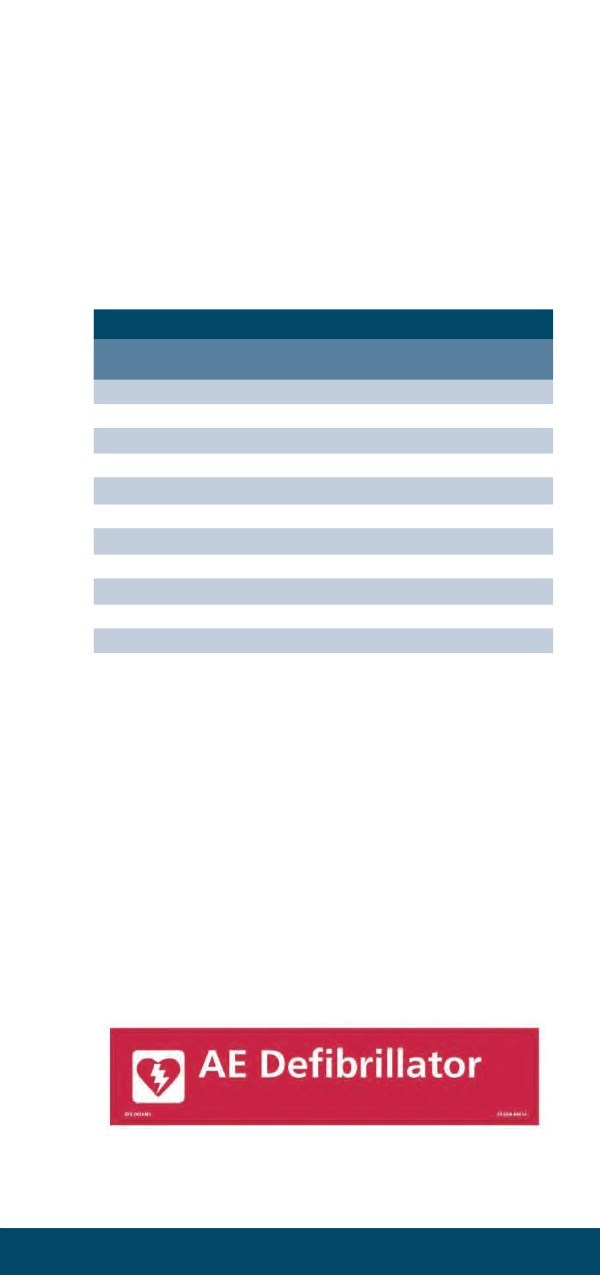
compartment of the AED unit will have a red
sign with white letters affixed to the outside of the
storage compartment door. (Refer to Figure 2-1)
Figure 2-1 - AED Sign affixed to outside of Food Service Car
storage compartment door.
Service Standards Manual No. 6
2-3
The AED has a built in audible alarm to alert the
crew to a defect (such as a weak or dead battery).
The needle on the oxygen tank gauge should be
in the green or serviceable area of the gauge. If
the gauge needle is showing a red visual indica-
tion, the oxygen tank must be replaced.
Pre-departure inspections that identify the AED
unit and/or the oxygen tank is missing or operating
improperly must promptly notify the appropriate
supervisor and record the defective or missing
component on the “Record of Defect and Repair
- MAP 21A” (NRPC 2775).
For all AED or oxygen tank failures encountered
en route, contact the CNOC 24 hour Mechanical
Desk at at 800-424-0217 ext. 2082/2083, Bell
302-683-2082/2083 or ATS 734-2082/2083. This
does not relieve on-train employees of the
requirement to complete the “Record of Defect
and Repair - MAP 21A” (NRPC 2775). Provide
CNOC with the defective AED unit number.
CNOC will notify the final destination mechanical
facility of the need for the AED unit to be
serviced.
When an AED or oxygen tank is used, both the
“Operation Heartsaver, Employee Responder
Report” (NRPC 3245) (Refer to Section C.6 in this
chapter) and the “Record of Defect and Repair -
MAP 21A” (NRPC 2775) must be completed.
c)
Personal Protection
When an employee renders First Aid, latex gloves
must be worn. Once used, the gloves must be
properly removed and placed in disposable bag.
d) Medications
Never offer prescription medication or over-the-
counter drugs to any employee or passenger. To
offer or present specific prescription medication
puts Amtrak and the employee in a legal liability
situation. If another passenger offers a prescription
medicine to an ill passenger and that passenger
accepts it, employees are not responsible.
2-4
Injury, Illness and Reporting

e) Bleeding
A person can bleed to death in one minute or
less if a large blood vessel is cut. Applying firm,
direct pressure to the wound can often stop serious
bleeding.
Serious Bleeding
Follow these instructions in cases of serious
bleeding.
If…
Then…
And…
The wound
elevate the
If bleeding persists, apply
is on an arm
extremity.
pressure on the
or leg
appropriate pressure point.
The wound is
apply direct
Continue applying pressure
not on an arm
pressure.
and bandage into place
or leg
the dressing used to stop
the bleeding.
The bleeding
The Conductor
continues
must call ahead for
uncontrolled.
medical assistance
or emergency
personnel.
Nosebleeds
Follow these instructions if a customer has a
nosebleed.
Step
Action
[1]
Have the person sit up or lie down with head and
shoulders elevated.
[2]
Apply direct pressure by holding the bridge of the
nose with the thumb and index finger. Press firmly.
[3]
If bleeding does not stop, pack the bleeding
nostril lightly with gauze (not cotton) and apply
pressure again. Cold towels applied to the nose
area may be helpful.
[4]
Get medical help if the bleeding does not stop.
f)
Shock
Shock may occur in seriously injured persons and
can result in death, even though the injury itself
is not fatal.
Symptoms of shock are:
• Pale, cool, moist skin
• Weak and rapid pulse
Service Standards Manual No. 6
2-5

• General body weakness
• Restlessness or instability
• Rapid breathing
Preventing Shock
Follow these steps for preventing and giving first
aid for shock.
Step
Action
[1]
Help the victim lie down.
[2]
Cover only enough of the victim to keep him
or her from losing body heat.
[3]
Get medical help as soon as possible.
If further action is needed or the situation warrants,
follow these instructions.
If…
Then…
But…
The injury is
raise the victim’s
Never raise the victim’s feet
severe
feet eight to 12
if there is a head injury,
inches above the
an unsplinted fracture,
chest and head.
breathing difficulty, or if it
causes pain.
The victim has
raise their head
trouble
and shoulders.
breathing
The victim is
Never give fluids.
unconscious or
nauseated.
g) Rescue Breathing
The average person will experience brain damage
if deprived from oxygen for more than four (4)
minutes. It is often impossible to tell exactly
when a person stopped breathing, therefore,
follow proper CPR protocols when it comes to
initiating resuscitation.
2-6
Injury, Illness and Reporting

Follow these steps to administer artificial
respiration.
Step
Action
[1]
Open airway using the chin-lift method.
[2]
Kneel beside the victim’s shoulder.
[3]
Lift the chin up gently with one hand while pushing
down on the forehead with the other to tilt the
head back. The chin should be lifted so the teeth are
brought almost together. Avoid completely closing
the mouth.
[4]
Confirm the victim is not breathing.
[5]
If a pocket ventilation mask is available, place the
mask over the nose and mouth, maintain an open air-
way with the chin-lift technique, and begin artificial
respiration via mask.
[6]
Administer rescue breathing once every five seconds
to an adult, once every three seconds to a child. If
airway is blocked by the victim’s tongue, remember
to tilt the head back and, if absolutely necessary, jut
the victim’s jaw.
[7]
Continue to administer rescue breathing until the
person resumes normal breathing or until medical
assistance is available.
[8]
If breathing is difficult, clear airway and be sure
that victim’s tongue is forward.
h) Heart Attack
The signs and symptoms of heart conditions include:
• Shortness of breath
• Chest pain
• Bluish color of the lips and fingernails
• Nausea
• Sweating
Acute Heart Attack Symptoms
The principal symptoms of an acute heart attack
include:
• Pain in the chest, which may radiate down the left
arm to the upper abdomen, jaw, neck or back
• Shortness of breath
• Nausea, vomiting, sweating, light-headedness and
weakness
Service Standards Manual No. 6
2-7

Follow these steps if you suspect someone has a
heart condition or is having a heart attack.
Step
Action
[1]
Have the victim sit or lie down in a comfortable
position.
[2]
Loosen any tight clothing at neck and waist.
[3]
If shortness of breath is evident, raise the head and
chest to the most comfortable position with as many
pillows as needed. Do not block the airway. Guard
against drafts and cold.
[4]
Help the victim with prescribed medicine if under
medical care.
Moving the Victim
Moving the victim places added strain and should
not be attempted until medical advice is received.
If it is necessary to move the victim it is extremely
important that they remain comfortable while
being moved. An ambulance attendant may
transport the victim in an elevated position. The
Conductor should call ahead for medical assistance.
i)
Stroke
A stroke is usually caused by a blood clot or
bleeding in the brain.
Listed are the symptoms and treatment for stroke
victims.
Stroke
Symptoms
Treatment
Severe
• Unconsciousness
• Keep the victim on his side
• Difficulty breathing
to allow fluids to drain
• Paralysis on one side
from the mouth
of the body
• Maintain an airway by
• Pupils of the eyes
keeping the head tilted
may be of unequal
• Provide moderate covering
size
• Get medical help as soon
as possible
• Do not give any fluids
or food
Less
• Dizziness
• Protect the victim against
severe,
• Headache
accident or physical
or a
• Sudden partial
exertion
small
memory failure
• Suggest medical attention
stroke
• Mood change
• Keep the victim under
• Muscular difficulty
observation at all times
involving some body
part
• Speech defect
• Ringing in the ears
2-8
Injury, Illness and Reporting

j) Simple Fainting
Simple fainting is a reaction of the nervous system
that reduces the blood supply to the brain for a
short time.
Follow these guidelines when treating a fainting
victim.
If a person…
Then…
Feels faint…
• Have them lie with their head low or,
• If they cannot lie flat, have them lower their
head between the knees and breathe deeply
Has already
• Keep them lying down for 10 minutes
fainted…
or more, with a pillow under their knees,
or until recovery is complete.
k) Burns
Follow these instructions for treating burn victims.
Burn Type
Treatment
First-Degree or
• Flush with cool water until pain subsides.
small second-
• Apply loose, moist, sterile dressing and
degree
bandage.
• Treat for shock
Third-degree
• Apply a loose, dry, sterile dressing and
bandage.
• Treat for shock if the burn covers a large area
• Get medical help immediately.
Large or
• Cover the victim according to the
severe
environment and treat for shock.
• Get medical help immediately.
Service Standards Manual No. 6
2-9

l) Effects Of Heat
Listed are the symptoms and treatment for heat
stroke and severe heat exhaustion.
Type
Symptoms
Treatment
Heat
• Hot, red skin
• Heat stroke is life
Stroke
• High body
threatening, so get the
temperature
person out of the heat
and into a cooler place.
• Cool the victim fast.
Apply cold packs.
• Treat for shock.
• Give nothing orally.
• Get medical help as soon
as possible.
Severe
• Cool, pale and
• Get the victim into a
Heat
moist skin
cooler place
Exhaustion
• Heavy sweating
• Lie victim on back with
• Dilated pupils
feet up.
• Headache and
• Loosen their clothing.
Nausea
• Apply cold packs.
• Dizziness and
• Treat for shock.
vomiting
• Give victim a half glass of
• Body temperature
water every 15 minutes if
about normal
conscious and can tolerate it.
2-10
Injury, Illness and Reporting

m) Head Injury
Follow these steps to treat a head injury victim.
If the
Never…
But you should…
victim
Conscious
Give Stimulants or
• Elevate the head
Liquids or Raise the
• Maintain an open airway.
Victim’s Feet
• Observe whether they have
stopped breathing or for a
blocked airway.
• Get medical help
immediately.
• Never bend head forward.
Unconscious
• Position the victim flat.
• Place a small pillow under
their shoulders to maintain
an open airway if there are
no signs of neck injury.
• Turn their head to the side
so fluids may drain from
the corner of the mouth-
remember to maintain an
open airway.
• Loosen clothing around
their neck.
• Observe whether they have
stopped breathing or for a
blocked airway.
• Get medical help
immediately.
h) Bruises, Sprains, Fractures
Follow these guidelines for treating a victim of a
bruise, sprain or fracture.
Always…
• Immobilize the sprain or fracture.
• Elevate the joint to reduce swelling.
• Remove any rings, watches, etc., from the
injured limb.
• Cover an open fracture wound with a clean
sterile dressing to reduce the possibility of
infection.
Never…
• Move a victim with a suspected back fracture.
(If the victim’s life is in danger, such as from
fire or chemical accident, obtain enough help so
the entire body is turned as a unit and no part
twists or turns faster than other parts. Whenever
possible, keep the victim in the position in
which they were found.)
Service Standards Manual No. 6
2-11

• Test for fracture by having the victim move the
injured body part or by having them try to
walk on a possibly broken leg.
• Allow an accident victim to move their head,
or move it yourself, when there is a possible
neck or spine injury.
• Bend the head or neck forward or back.
(Always maintain a neutral position.)
• Push back a protruding bone end of an open
fracture.
o) Epileptic Attack
Follow these steps to treat an epileptic attack victim.
Step
Action
[1]
Do not restrain the victim, but protect them from injury.
[2]
Push away nearby objects.
[3]
Do not force a blunt object between their teeth.
[4]
When the spasms are over, loosen the clothing from
around their neck.
[5]
Keep them lying down, and keep the airway open.
If…
Then…
Breathing stops
Give artificial respiration
Convulsions occur again
Get medical help
[6]
When they regain consciousness provide for undis-
turbed rest. Do not question him or her and try not to
embarrass the victim.
(Victims usually are drowsy and need a period of
undisturbed sleep. If they get up immediately and
walk around they might experience another attack.)
Prevent a victim from breathing vomit into their
lungs by turning their head to one side or by having
them lie on their stomach.
2-12
Injury, Illness and Reporting

p) Choking
Follow these steps to treat a choking victim.
If the
Then you should…
victim…
Can cough,
Not interfere, but observe
speak or
breathe
Cannot
Perform the abdominal thrust.
cough,
speak, or
breathe and
is conscious
Is
• Check for responsiveness.
Unconscious
If no response, call for help.
• Position the victim.
• Open the airway.
• Check for breathlessness.
If…
Then…
No breath
Give two full breaths
Unable to breathe
Re-tilt the victim’s head and
air into the victim
give two full breaths again.
• Have someone call emergency medical service
for help.
• Perform five abdominal thrusts.
• Do finger sweep of mouth.
• Give two full breaths.
• Repeat the last three steps until the obstruction
is cleared or help arrives.
q) Foreign Object In The Eye
Never touch the eyeball or attempt to remove an
object with a match, toothpick or other instrument.
If the eyeball appears to be scratched or to have
been penetrated, even a fraction of an inch, the
injury may be extremely serious. Apply a sterile
dressing or clean cloth, bandage loosely, and get
medical help.
Never rub the eye. Rubbing can cause a loose
object to become imbedded or scratch the eye.
Rubbing the eye may cause an imbedded object
to cause further serious damage.
Service Standards Manual No. 6
2-13

Object Lodged In Upper Lid
Follow these steps to remove a loose, foreign
object in the eye, usually lodged on the inner
surface of the upper lid.
Step
Action
[1]
Ask victim to look down.
[2]
Grasp the edge of the upper lid firmly.
[3]
Apply slight pressure to the surface of the upper lid
with the side of a blunt pencil.
[4]
Turn the inner side of the lid outward.
[5]
If you see the object on the inner surface of the lid,
remove it by touching it with the corner of a clean
handkerchief. NEVER touch the eye itself.
Object Lodged In Cornea
Follow these instructions to remove an object
stuck to the cornea surface (the clear, front part
of the eye).
If…
Then…
And…
You see the
Ask the victim
If the object is not imbedded
object on the
to wink several
in the eye it will usually be
surface of the
times
washed away with the tears
cornea
produced by winking.
The object is
Do not try to
• Ask the victim to close his or
not washed
remove it from
her eyes.
away with the
the surface of
• Put a pad or piece of moist
tears.
the eye.
cotton over the closed lids.
Assume it is
• Bandage. Make sure bandage
embedded.
is not too tight, which will
cause the lid to press against
the eyeball and cause pain.
• Get medical attention as
soon as possible.
r) Moving The Injured
Moving an injured person before the full extent
of the injury is known or before the injured body
part(s) have been immobilized may cause addi-
tional injuries.
Follow these guidelines regarding moving the
injured:
• Do not move an injured person unless it is
necessary to protect him or her from further
injury or to provide urgent first aid care.
• Always check for injuries and immobilize
2-14
Injury, Illness and Reporting

injured areas, whenever possible, before moving
the victim even a short distance.
s)
Medic Alert
Medic Alert is a medical identification, usually
worn as a bracelet or necklace, advising first aid
providers of a special medical condition such as:
• Diabetes
• Contact-lens wearers
• Allergies to common medications, such as
penicillin
Always look for a medic alert if the victim is
unconscious.
t)
Motion Sickness
Motion sickness is caused by an imbalance in the
inner ear and can produce an upset stomach.
The symptoms of motion sickness (nausea) and
upset stomach are :
• Too much food
• Too little food
• Lack of air
Follow these steps to ease the discomfort of the
upset stomach caused by motion sickness.
Step
Action
[1]
Tilt the head back.
[2]
Apply ice to the forehead or back of the neck.
[3]
Loosen any tight clothing, scarves, belts, etc.
[4]
Offer ice chips to suck on or ginger ale to sip if the
mouth is dry, but do not offer anything to eat.
u) Over-breathing (Hyperventilation)
Over-breathing, or hyperventilation, occurs when
a person breathes too much air too quickly. The
result is too much oxygen causing the person to
become irrational. He or she feels they are
suffocating when, in reality, the problem is the
exact opposite.
Service Standards Manual No. 6
2-15

Follow these guidelines for a victim of over-breathing.
If…
Then…
A paper bag is
Place it over the mouth and nose until normal
available
breathing is restored and he or she returns to
the conscious level.
No paper bag
Instruct the victim to cup their hands over
is available
their mouth and nose and breathe normally.
B.
Illness
Certain Amtrak employees may, during the course
of their duties, be required to assist passengers or
fellow employees who are suspected of contracting
a food-borne or blood-borne illness. This section will
help you understand and react to these situations.
1.
Suspected Food-Borne Illness Procedures
a)
In the event of a suspected food-borne illness the
Conductor or Division Supervisor will immediate
make a report to CNOC and the appropriate
manager. The report should include the following
information:
•
Train number
•
Car number
•
Name of LSA
•
Name, age and sex of person(s) involved
•
Address and telephone number
•
Where passenger boarded and their destination
•
What the passenger/employee ate on-board (as
complete as possible)
•
What time(s) the passenger/employee ate
on-board
•
What time did the passenger/employee
become ill and the duration of the illness
•
The symptoms of the illness (e.g., headache,
nausea, vomiting, cramps, diarrhea, fever, or
other)
•
Was medical treatment offered
•
Was medical treatment accepted
•
If possible, a 48 to 72 hour history of food
consumed and where, prior to the onset of the
illness
•
Was the person observed eating personal food
brought on-board the train
•
Whether the passenger/employee had other
medical problems, such as flu, intoxication, etc.
2-16
Injury, Illness and Reporting
• How many of the same type meals were served
• Did other persons complain of illness
• Were there any mechanical (refrigeration or
freezers), stocking or preparation problems
• Were samples of any remaining suspected food
obtained (bagged, tagged, separated and
refrigerated).
• If samples were obtained, notify the commis-
sary to strip samples and store in refrigerator
for Amtrak Public Health bacteriological testing
• How long was food left out on display,
refrigeration, etc.
• Where was the food stocked
• What was the expiration date of the food
b) Stop serving suspected food(s) or beverage(s)
immediately.
c) Secure all suspected food(s) and beverage(s) in an
isolated refrigerated area. Hold suspected items
until an Amtrak Public Health representative or
other designated employee can retrieve them.
2.
Serious Communicable Disease Procedures
The following information is excerpted from “Public
Health Bulletin 5-96”, revised February 3, 2006.
When a member of the crew is made aware that an
employee or passenger on-board the train may have a
serious communicable disease (SCD) (A list of serious
communicable diseases can be found in Section 3
“Communicable Diseases”), the subsequent steps
must be followed:
a) The Conductor must be immediately notified of
the situation.
• The Conductor should isolate the ill employee
or passenger from other persons on-board the
train, if possible
• If first aid or medical assistance is required,
follow the procedures in section A. “Injuries”
in this chapter
b) The Conductor must immediately notify CNOC
at (800) 424-0217 or ATS 734-2307 or 734-2105
and give the following information:
• Name of person notifying CNOC
• Train number
• The nature of the problem
Service Standards Manual No. 6
2-17
• Name and status of the ill individual(s)
• Name and phone number of personal physician
of the ill individual(s)
• Current location and next station stop
• If known, the name and phone number of the
local health department
• Course of action ordered or taken by the
health authorities
c)
CNOC will disseminate the information obtained
from the Conductor and contact the appropriate
personnel and departments.
d) On-Train Employees should follow instruction from
CNOC and not contact the personal physician for
the ill individual unless instructed by CNOC.
e)
The Corporate Communications Department will
issue employee and passenger advisories through
the Arrow system and by written notices posted at
appropriate locations, as deemed necessary. in
coordination with the local health department,
CDC and the following Amtrak departments:
• Law
• Medical
• Public Health
• Service Delivery
f)
The Emergency Medical Facility and/or the
Amtrak Medical Director will make the medical
decisions as to the management of the ill individual.
If it is deemed necessary by the local health
authorities and/or the Amtrak Medical Director
that notification of passengers and crew is needed,
Amtrak will coordinate this effort with local and
state health departments and the CDC.
g)
Medical details must not be revealed to anyone
other than properly identified Amtrak personnel
or local, state or federal health officials. The
confidential nature of Medical Information
must be upheld.
h) The importance of maintaining accurate passenger
and crew lists becomes apparent in these circum-
stances. The Conductor should obtain telephone
numbers and addresses of passengers who may
be involved, if possible, to help expedite any
further investigation or passenger notification.
i)
The Conductor must complete a “Non-Employee
Injury/Illness Report” (NRPC 3116) or
“Employees Injury/Illness Report” (NRPC 260)
2-18
Injury, Illness and Reporting
as the circumstances require. (Refer to Section C
“Injury and Illness Reporting” in this chapter.)
j) Effective and prompt communication is an essential
tool in handling this type of occurrence and can
lead to successfully preventing disease transmission
and defusing rumor and conjecture in these
circumstances.
k) For further information and assistance, contact:
Public Health Superintendent
60 Massachusetts Ave., NE
Washington, DC 20002
Phone: (202) 906-3943 ATS: 777-3943
Fax: ATS 777-2117
3.
List of Serious Communicable Diseases (SCD)
It should be noted that this is only a partial list of
the most likely Serious Communicable Diseases to
be encountered in the United States that may be
transmitted from person to person through the air.
Serious Communicable Diseases that are transmitted
by other means, e.g., by blood, by vector (i.e., insects,
parasites, etc.) or by sexual activity, and are
considered not likely to be transmitted to passengers
and/or crew, have been omitted from the list.
• Tuberculosis
• Meningitis, Bacterial or Viral
• Encephalitis, Bacterial or Viral
• Chicken Pox
• Rubella (German Measles)
• Rubeola (Measles)
• Mumps
• Hepatitis “A”
• Alleged Food (or Water) Borne Illnesses
• Pandemic Influenza, such as Avian or Swine Flu
4.
Blood-Borne Pathogens (BBP) Exposure Control Plan
Amtrak’s goal is to minimize the number of its
employees who are exposed to blood and body fluids;
thus containment of any such material to prevent
exposure is of paramount concern. It is conceivable
that any employee might experience an incidental
exposure. OSHA recognizes that accidents can occur
in any work environment and that exposure to blood
is theoretically possible in all work environments.
However, OSHA does not require that all employees
Service Standards Manual No. 6
2-19
be trained and protected under the provisions of its
regulations. In addition, OSHA recognizes a distinction
between requiring employees to assist injured persons
and so-called "Good Samaritan" acts. Only those
whose job duties may reasonably entail potential
exposure are covered.
a)
Risk of Exposure
Designated Amtrak employees and their risk of
exposure are broken down into the following
three categories:
• All employees at risk of exposure such as nurses,
physicians and police/security personnel
• Some employees at risk of exposure such as
those designated to perform first aid and CPR
as part of their job duties
• Clean-up and janitorial crews can potentially
be exposed to BBP
Tasks/procedures with risk of BBP exposure
include: first aid, CPR, phlebotomy, intravenous
placement, restraining an uncooperative individual
and decontamination of potentially infectious
body fluids/tissue.
b) Universal Precautions
Amtrak guidelines are based on recommendations
by the Center for Disease Control (CDC) and
follow a "universal precautions" approach. Under
universal precautions, blood and other specified
body fluids are considered potentially infectious
for human immunodeficiency virus (HIV), hepatitis
B virus (HBV) and other blood-borne pathogens.
This approach is designed to protect employees
from parenteral (puncture/injection), mucous
membrane, or non-intact skin exposures to such
pathogens. Amtrak employees performing tasks
potentially exposing them to BBP will observe
universal precautions. In addition to blood, the
following body fluids will be treated as if they
were infectious with HIV, HBV and other blood
borne pathogens: amniotic, cerebrospinal,
pericardial, peritoneal, pleural, semen, synovial,
and vaginal fluids/secretions.
2-20
Injury, Illness and Reporting
Not included, unless visibly contaminated with
blood, are saliva, urine, feces, tears, sweat, sputum
or vomit. Exposure in this context means eye,
mouth, and other mucous membrane, broken
skin or parenteral contact with any of the above
infectious fluids.
In case of mucous membrane or skin contact
with infectious fluids, the exposed areas should be
immediately flushed with water and subsequently
washed with soap. In the absence of washing
facilities, approved antiseptic skin cleanser may
be used.
c)
Personal Protective Equipment (PPE)
On-train employees performing tasks that may
result in contact with body fluids are required to
use the provided personal protective equipment,
unless use leads to significant delays in saving life
or limb.
• Gloves shall be worn during all invasive
procedures, in wound care and cleaning and
decontaminating materials or spills.
• When splashing is possible, always wear safety
glasses with solid side shields.
• CPR resuscitation masks shall be used during
resuscitation efforts when available.
• With the exception of safety glasses, only
disposable PPE shall be used.
• Disposal of used PPE, unless grossly
contaminated, will be in non-infectious waste
receptacles.
• Grossly contaminated items will be placed into
infectious waste receptacles, which must be
clearly labeled as biohazard.
• Employees must never use their hands to pick
up or handle a blood-tainted item when a
mechanical device is available.
d) Personal Hygiene
Employees must wash their hands with soap and
hot water immediately after removal of personal
protective equipment (PPE) or performing any
task that involved contact with body fluids. In
case of mucous membrane or skin contact with
infectious fluids, the exposed areas should be
Service Standards Manual No. 6
2-21
immediately flushed with water and washed
with soap. In the absence of washing facilities,
approved antiseptic skin cleanser may be used.
Never touch or handle any infectious waste bags
after PPE has been removed.
Never wear clothes that have traces of a bodily
fluid on them. If blood or bodily fluid is found on
your clothes, they are to be removed, bagged and
treated as an infectious waste product. The CDC
recommends two methods of disinfecting items:
extremely high heat or washing in bleach and
water. If clothes cannot be disinfected they
should be identified as a biohazard and disposed
of with infectious waste.
Eating, drinking, smoking or applying cosmetics
and handling contact lenses is prohibited in any
area where emergency care is rendered.
Avoid placing your hands near your face.
e)
En Route Housekeeping
Surfaces that may have become contaminated
with infectious material must be cleaned and
disinfected as soon as possible. Barricade the area
to be cleaned and do not remove barricade until
area has been cleaned and inspected. As an
option, if household bleach is available and
access to the area is needed for proper delivery
of the service (e.g., access to toilets, dining area or
walkways), wash all surfaces and items with a
solution of 1/4 cup of bleach with one gallon of
water. Anything that cannot be cleaned must be
removed, identified with a biohazard label and
placed with infectious waste.
f)
Removal of Infectious/Contaminated Waste
Contaminated waste, protective equipment and
clean-up materials must be disposed of in biohazard-
labeled, leak proof, closeable bags. In the absence of
a biohazard bag, use a black plastic bag that is clearly
labeled and separated from other trash.
A licensed hazardous waste contractor must remove
infectious waste from Amtrak property. Employees
involved in hazardous/infectious waste clean-up can
expedite waste removal by having hazardous/
infectious waste containers placed in a location
away from passengers, designated by local
2-22
Injury, Illness and Reporting
Amtrak management. The manager in-charge of
hazardous/infectious waste clean-up should have the
contact information, call procedures and any other
instructions regarding the hazardous waste container
and contractor.
g)
Post-Potential BBP Exposure Evaluation
Should any employee be exposed to potentially
infectious body fluids or tissues, the employee or
their supervisor will make immediate arrangements
for a medical evaluation by a physician and will
report the incident to the Amtrak Medical
Department within 24 hours.
The employee may decline medical evaluation,
which must be documented in the employee’s
medical file. The Medical and/or Safety departments
will assist as necessary. If permissible by state law,
and the source individual consents, their blood
shall be tested for HIV and HBV and the results
disclosed to the exposed individual. A refusal to be
tested shall be documented. If medically indicated,
counseling and post-exposure prophylaxis is
offered to the exposed employee according to
the most recent CDC guidelines.
The Amtrak Medical Department will ensure
that any physician performing a post-exposure
assessment has a copy of the pertinent OSHA
standard and current CDC/BBP guidelines, as
well as access to the employee’s vaccination
status and any relevant information on a given
exposure case.
C.
Injury and Illness Reporting
Amtrak is fully committed to the safety of its
employees, passengers and being in full compliance
with the letter and spirit of the Federal Railroad
Administration’s Accident Reporting Regulations
(49 CFR Part 225.33) for the complete and accurate
reporting of all accidents, incidents, injuries and
occupational illnesses arising from the operation of
the railroad.
Amtrak will not permit or tolerate any form of
harassment or intimidation towards any injured
person that discourages them from receiving proper
medical treatment or from reporting an accident,
incident, injury or illness. Any harassment or
Service Standards Manual No. 6
2-23
intimidation of this type will result in disciplinary
action (up to and including suspension and/or
termination) against all involved employees,
supervisors, managers or officers of Amtrak.
Any employee who has reasonable grounds to
believe they have been subjected to harassment or
intimidation regarding the reporting of an injury or
should contact the Amtrak Intimidation and
Harassment Hotline at (202) 906-3015 or ATS
777-3015, and may refer matters to the Inspector
General, if warranted.
Amtrak provides “whistle blower” protection to any
person subject to the harassment or intimidation
policy. Employees shall be free from restraint,
interference, coercion or reprisal for communicating
directly or indirectly information that they believe
violates the law or company policy.
1.
Types of Reports
a)
Non-Employee
•
“Non-Employee Injury/Illness Report”
(NRPC 3116)
This form is to be completed any time a
non-employee (passenger) is injured or ill.
(Refer to Section C.2 of this chapter.)
•
“Medical Information and Consent”
(NRPC 488)
This form should be completed, if at all possible,
for non-employee (passenger or trespasser)
injuries requiring professional medical attention.
(Refer to Section C.4 of this chapter.)
b) Employee
•
“Employee Injury/Illness Report” (NRPC 260)
This form is to be completed any time an
employee is injured or ill. (Refer to Section C.3
of this chapter.)
•
“Medical Information and Consent”
(NRPC 488)
This form is to be completed for all employee
injuries. (Refer to Section C.4 of this chapter.)
•
“Accident Investigation Report” (NRPC 405)
This form is to be completed for all employee
injuries. (Refer to Section C.5 of this chapter.)
c)
Other
•
“Operation Heartsaver, Employee Responder
Report” (NRPC 3245)
This form is to be completed when an
2-24
Injury, Illness and Reporting
Automated External Defibrillator (AED)
and/or oxygen is used. (Refer to Section C.6 of
this chapter.)
2.
“Non-Employee Injury/ Illness Report”
(NRPC 3116)
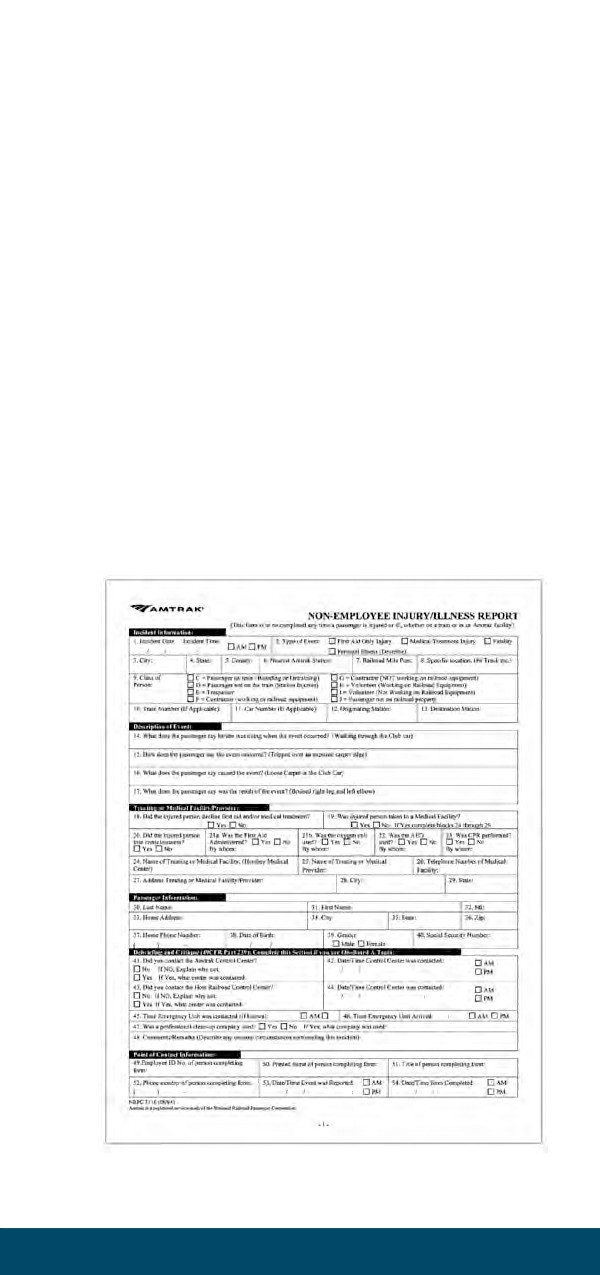
All non-employee (passenger) injuries must be
reported, regardless of the circumstances, on the
“Non-Employee Injury/Illness Report” (NRPC
3116). (Refer to Figure 2-2) The front of this report
is to be completed by a member of the train crew
interviewing the injured person. Crew members
should refrain from telling passengers that a
representative from Amtrak’s Claims Department
will contact them within 5 days. Instead, refer all
passengers with questions to call the Passenger
Claims Unit’s toll free number at (800) 424-7960.
The backside of this form is to be completed by the
injured person and include, in their own words, how
the injury occurred and the extent of their injury. To
help in properly completing this report, the following
instructions have been provided:
Figure 2-2 - “Non Employee Injury/Illness Report” (NRPC 3116) Page 1
Service Standards Manual No. 6
2-25
a)
Page 1 (must be completed by an Amtrak
employee)
• All numbered items must be completed.
• All information should be printed, except
where signatures are required.
• If a numbered item or question is not applicable,
enter “N/A”.
b) Incident Information Section
• Enter requested information.
• Item 9 should have only one box marked
identifying the “Class of Person”.
c)
Description of Events Section
• Enter requested information.
• Be as detailed or descriptive as possible when
answering each question.
• You may need to repeat or elaborate the
question so that the passenger understands
what is being requested.
• Attach additional statements addressing the
condition of the passenger/non-employee,
facility and equipment that may be important.
• Item 17 must describe the body part injured
as a result of the event. (Be as descriptive as
possible.)
d) Treating or Medical Facility/Provider Section
• Enter requested information.
• Item 18 designates if the injured person
declined first aid and/or medical treatment.
e)
Passenger Information Section
• Enter requested information.
f)
Debriefing and Critique (49 CFR Part 239)
Section
• Enter requested information.
• Required for all passengers and non-employee
injuries on-board passenger trains if they are
removed from the train by emergency
response personnel.
g)
Point of Contact Information Section
• Enter requested information.
• Amtrak employee entering report information
must completing this section.
2-26
Injury, Illness and Reporting
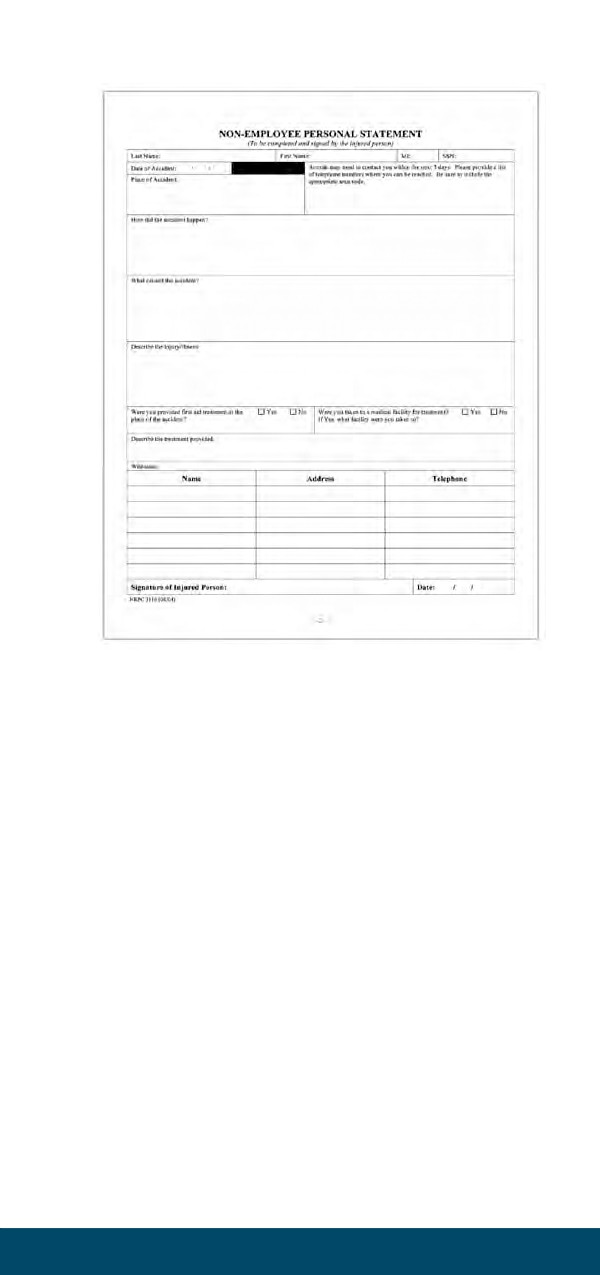
Figure 2-3 - “Non-Employee Injury/Illness Report” (NRPC 3116) Page 2
h) Page 2 “Non-Employee Personal Statement”
(Refer to Figure 2-3)
• Must be completed and signed by the injured
person.
• If necessary, assist the injured in completing
this portion of the form and ask them to sign
it, unless they are unable to do so.
• Make note of any inability or refusal to
complete and sign this statement.
i)
Additional Information (Page 1 or 2)
• Use the back of the page or additional paper
to make notes of conditions or situations relating
to the person’s injury.
• Submit additional pages along with the “Non-
Employee Injury/Illness Report” (NRPC 3116).
j)
Submitting Paperwork
Submit the completed “Non-Employee
Injury/Illness Report” (NRPC 3116) to a station’s
supervisor where the injured person detrains, or
to a Passenger Service Supervisor upon completion
of the trip.
Service Standards Manual No. 6
2-27
3.
“Employee Injury/ Illness Report” (NRPC 260)
All injuries must be reported, regardless of the
circumstances, on the “Employee Injury/Illness
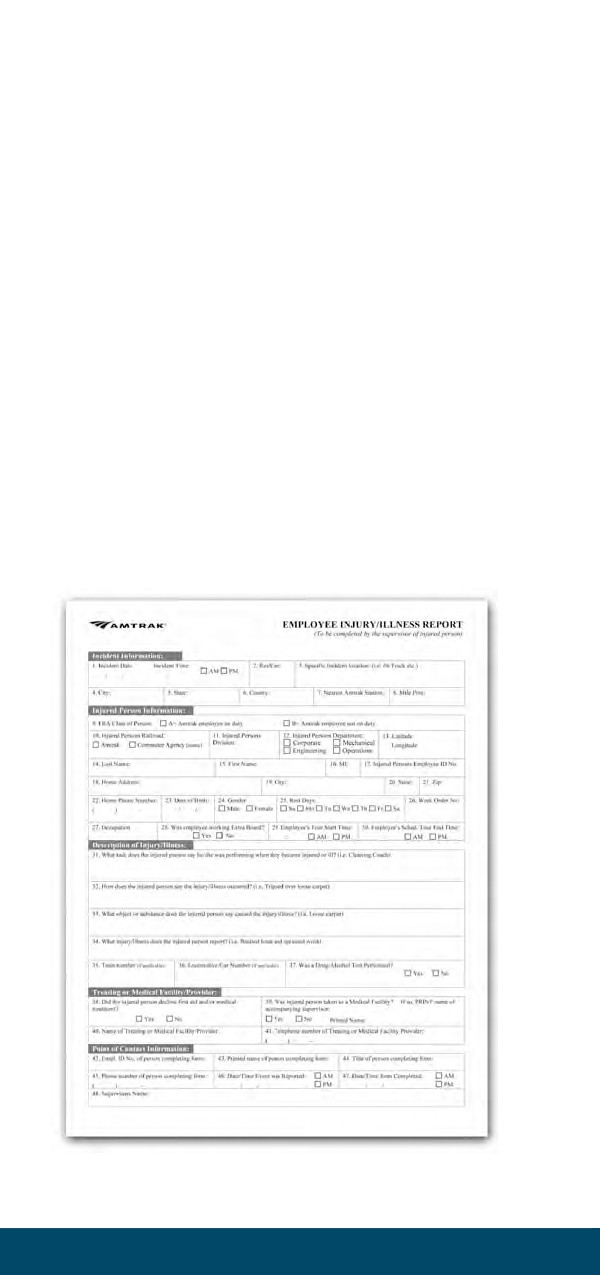
Report” (NRPC 260). (Refer to Figure 2-4) All
employee injuries must be reported as soon as
possible to an appropriate supervisor and never after
the employee’s tour of duty has ended. In cases
where the injury may not require immediate medical
treatment, the injured employee must report it to the
Conductor or immediate supervisor and may receive
treatment at the next station where supervision and
appropriate medical treatment can be offered.
Employee injury reporting requires the employee to
complete “Employee Injury/Illness Report” (NRPC
260). The front of this report is to be completed by
a member of the train crew interviewing the injured
person. The backside of this form is to be completed
by the injured person and include, in their own
words, how the injury occurred and the extent of
their injury. To help in properly completing this
report, the following instructions have been provided:
Figure 2-4 - “Employee Injury/Illness Report” (NRPC 260) Page 1
2-28
Injury, Illness and Reporting
a)
Page 1 (Must be completed by a member of the
train crew interviewing the injured employee.)
• All numbered items must be completed.
• All information should be printed, except
where signatures are required.
• If a numbered item or question is not applicable,
enter “N/A”.
b) Incident Information Section
• Enter requested information.
• Item 2 Res/Cen - If the Res/Cen cannot be
determine, the employee completing the report
must inform the submitting supervisor that
this field has not been completed. (Do not
enter N/A.)
c)
Injured Person Information Section
• Enter requested information.
• Item 9 FRA Class of Person - Amtrak
employee on duty (e.g., compensated for time,
signed-in), Amtrak employee not on duty (e.g.,
on “downtime”, not signed-in, etc.).
• Item 26 Work Order Number is assigned to a
person who is on-duty but not working their
regular assigned position or extra board (e.g.
attending class).
• Item 27 Occupat ion should be in one of the
following: Conductor, Assistant Conductor,
LSA-Diner, LSA-Café/Lounge, Chef, Train
Attendant or Sleeping Car Attendant, etc.
d) Description of Injury/Illness Section
• Enter requested information.
• Be as detailed or descriptive as possible when
answering each question.
• You may need to repeat or elaborate the
question so that the employee understands
what is being requested.
• Attach additional statements addressing
the condition of the employee, facility and
equipment that may be important.
• Item 34 must describe the body part injured
as a result of the event. (Be as descriptive as
possible.)
e)
Treating or Medical Facility/Provider Section
• Enter requested information.
• Item 38 designates if the injured person
declined first aid and/or medical treatment.
Service Standards Manual No. 6
2-29
f) Point of Contact Information Section
• Enter requested information.
• Amtrak employee entering report information
must completing this section.
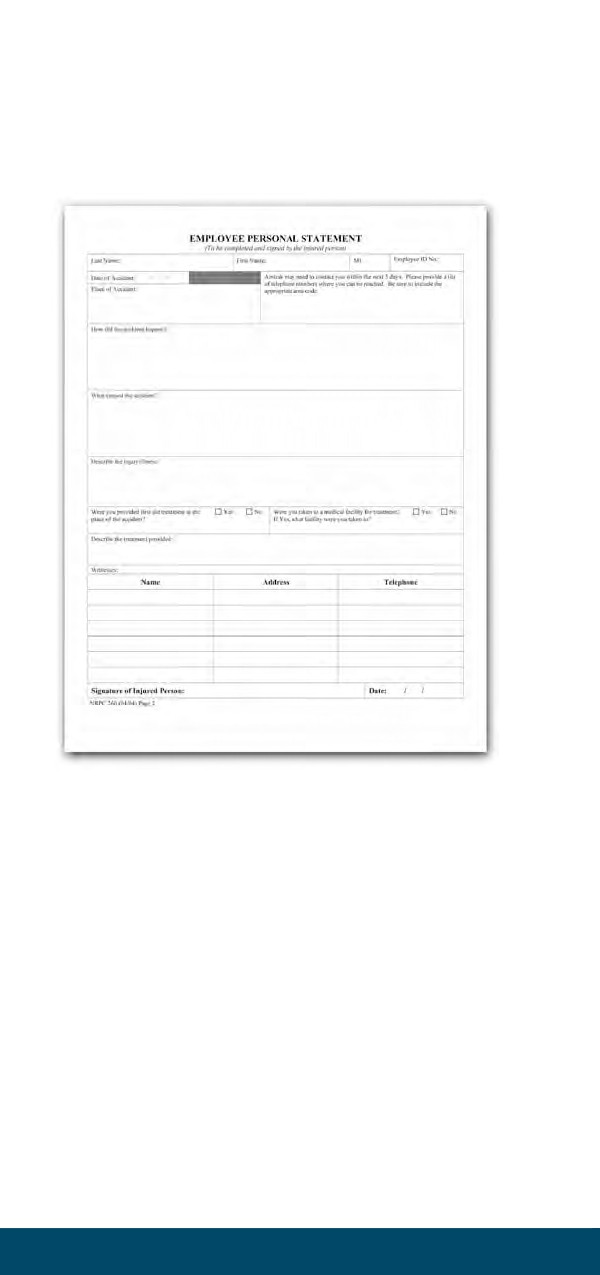
Figure 2-5 - “Employee Injury/Illness Report” (NRPC 260) Page 2
g) Page 2 “Employee Personal Statement”
(Refer to Figure 2-5)
• Must be completed, signed and dated by the
injured employee.
• If necessary, assist the injured employee in
completing this portion of the report and ask
them to sign it, unless they are unable to do so.
• If they are unable to write or sign a statement,
someone else may transcribe what they are
told by the injured employee.
• The person writing the statement for the
injured employee must sign the report at the
bottom of the page indicating they accurately
recorded the statements made by the injured
employee. (In this case, it would be beneficial if
2-30
Injury, Illness and Reporting
the employee could read and initial his or her
concurrence with the written statement.)
• Employees should include their assessment of
what caused them to be injured and what part
of their body is injured.
• Make note of any inability or refusal to
complete and sign this statement.
• If there were other employees or passengers
who were present at the time of the injury and
can attest to the circumstances, or personally
witnessed the events of the injury, their names
and method for contacting them are to be listed
(If possible, ask any witnesses to write a statement
of what they saw or heard. Attach any statements
from witnesses to the “Employee Injury/Illness
Report” (NRPC 260) when submitted.)
h) Additional Information (Page 1 or 2)
• Use the back of the page or additional paper
to make notes of conditions or situations relating
to the employee’s injuries.
• A brief description of the treatment the
employee received is also requested and should
include any forms of first aid, professional
medical assessment and treatment, or whether
the employee declined any professional medical
treatment that was offered.
• Submit additional pages along with the
“Employee Injury/Illness Report” (NRPC 260).
i)
Submitting Paperwork
• Submit the completed “Employee
Injury/Illness Report” (NRPC 260) to a Station
Services Supervisor where the employee
detrains for treatment, or to a Passenger
Service Manager upon completion of the trip.
• It is mandatory that the reporting Supervisor
report all injuries to the Amtrak Injury Care
Hotline at (800) 505-5549, and follow the
directions given by the Right Care, Day One
Case Manager.
• Responding Supervisors should immediately
fax both sides of the “Employee Injury/Illness
Report” (NRPC 260) to Central Reporting
(800) 888-2185 or ATS 777-2595.
• Responding Supervisor must fax both sides of the
“Employee Injury/Illness Report” (NRPC 260)
to the Manager of Train Operations at CNOC
Service Standards Manual No. 6
2-31
ATS 734-2151, and to the Manager or Service
Manager of the employee’s home Crew Base.
4.
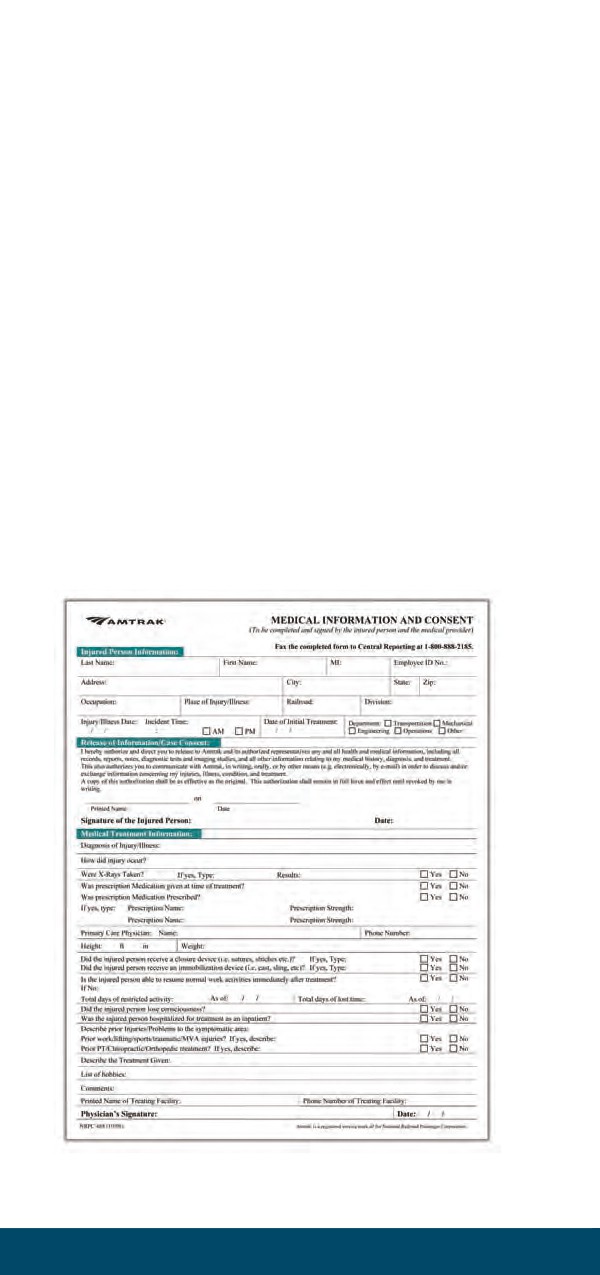
“Medical Information and Consent” (NRPC 488)
This report is required to be completed for all
employee injuries and is recommended for
non-employees (passengers) and trespasser related
injuries requiring professional medical attention.
Employee injuries also require the injured to sign
the “Medical Information and Consent” (NRPC
488), which authorizes the treating physician and
facility to release information to Amtrak regarding
the evaluation and treatment provided. (Refer to
Figure 2-6)
All injured employees must complete the “Medical
Information and Consent” (NRPC 488), regardless of
whether medical treatment was received. If medical
treatment was declined, note this on the bottom of
this form.
Figure 2-6 “Medical Information and Consent” (NRPC 488)
2-32
Injury, Illness and Reporting
a)
Injured Person Information Section
• All information should be printed, except
where signatures are required.
• All information should be completed, if not
applicable enter “N/A”.
b) Release of Information/Case Consent Section
• The injured person should print their name,
sign and date.
c)
Medical Treatment Information Section
• This should be completed by the Physician.
• The Physician should sign and date.
d) Submitting Paperwork
• The form is to be returned to the Supervisor
accompanying the injured person.
• Responding supervisors should immediately
fax the “Medical Information and Consent”
(NRPC 488) to Central Reporting
(800) 888-2185 or ATS 777-2595.
• The original “Medical Information and
Consent” (NRPC 488) is to be forwarded to
the appropriate Claims Department office.
5.
“Accident Investigation Report” (NRPC 405)
The “Accident Investigation Report” (NRPC 405) is
used to record the facts and circumstances surrounding
an injury. It is intended to determine the cause of the
injury and identify ways to avoid similar injuries in the
future. (Refer to Figures 2-7 and 2-8)
Service Standards Manual No. 6
2-33
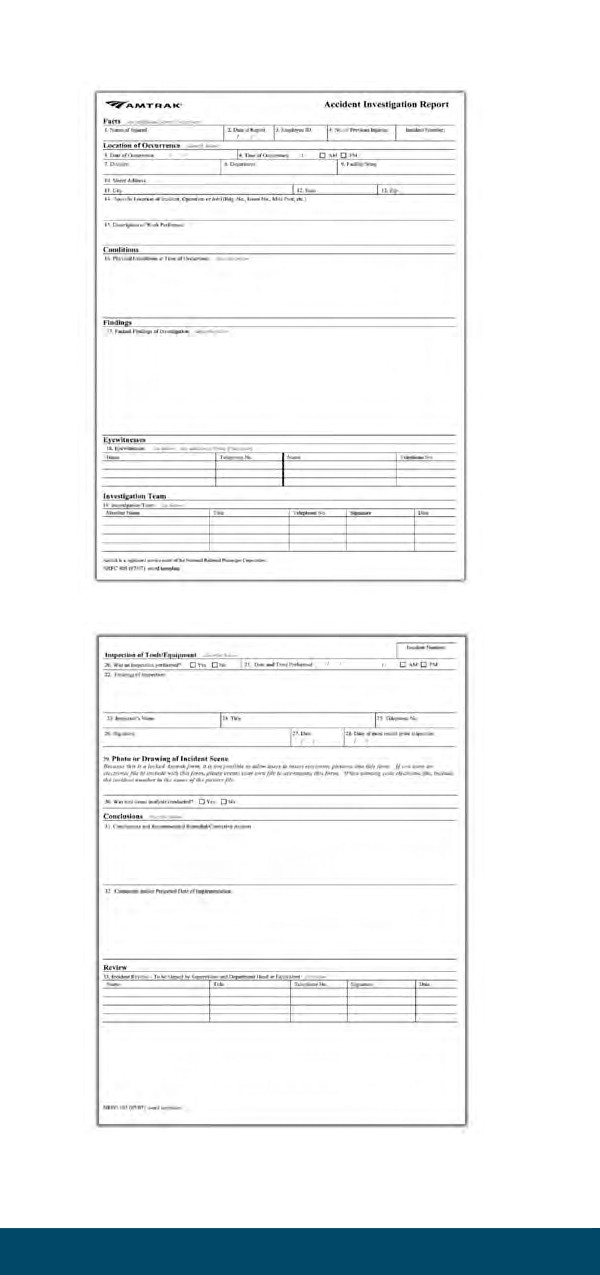
Figure 2-7 - “Accident Investigation Report”(NRPC 405) Page 1
Figure 2-8 - “Accident Investigation Report” (NRPC 405) Page 2
2-34
Injury, Illness and Reporting
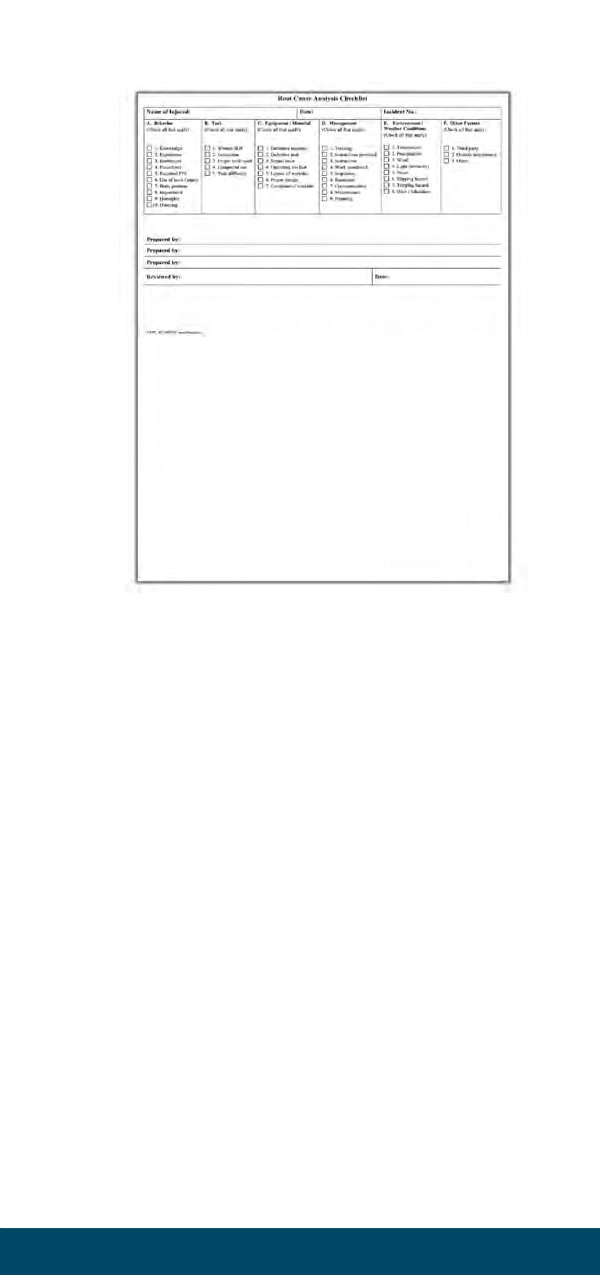
Figure 2-9 - “Accident Investigation Report” (NRPC 405) Page 3
A committee consisting of supervisors from other
crafts such as Maintenance of Equipment, Terminal
Services, Safety, etc. will be created to investigate how
the injury happened. To a large extent, the injured
person will be relied upon to provide a description of
their actions and the events leading up to the injury.
An inspection and report of the condition of the
equipment is often required to identify potential
defects that may have contributed to the injury.
Instructions on how to complete the “Accident
Investigation Report” (NRPC 405) can be found on
Amtrak’s Intranet in the Safety Section. Select the
“Accident/Incident Reporting Training Course” link.
6.
“Operation Heartsaver, Employee Responder
Report” (NRPC 3245)
The “Operation Heartsaver, Employee Responder
Report” (NRPC 3245) is to be completed when an
Automated External Defibrillator (AED) and/or
oxygen is used. (Refer to Figure 2-10)
This form has four sections that must be completed
in its entirety at the time of incident.
Service Standards Manual No. 6
2-35
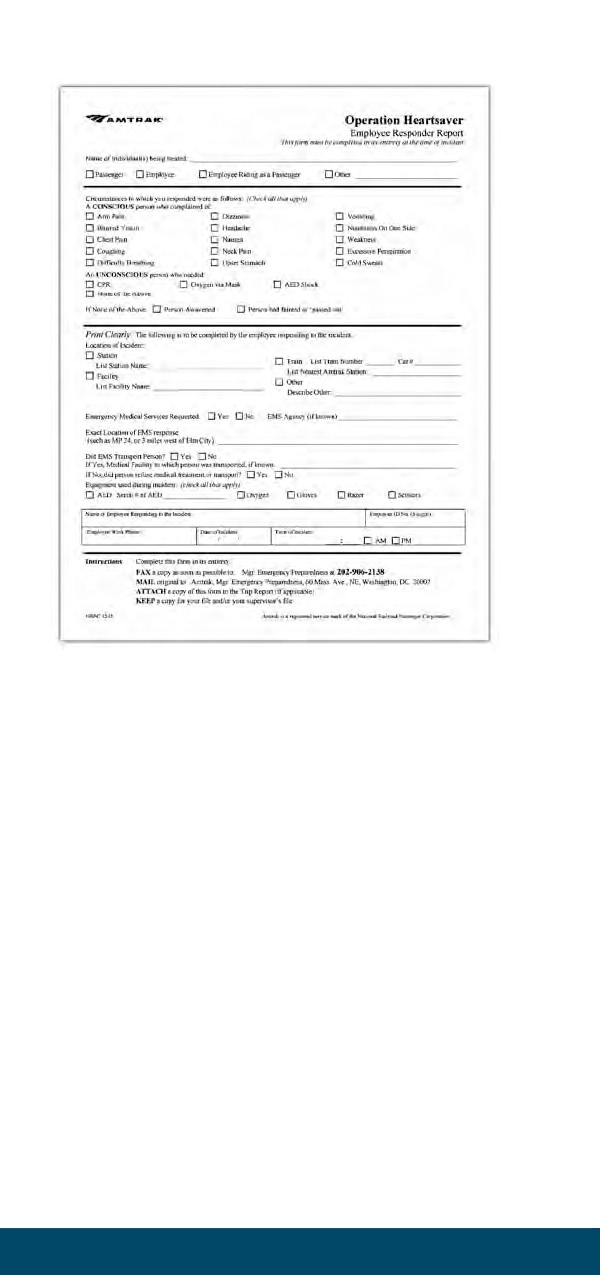
Figure 2-10 - “Operation Heartsaver, Employee Responder Report”
(NRPC 3245) Page 1
a)
Section 1
• Clearly print the full name of the person being
treated.
• Check the appropriate box to identify if the
person is a passenger or an employee.
b) Section 2
• Check all options that describe the circumstances
to which you responded.
c)
Section 3
• This section is to be completed by the employee
responding to the incident.
• Print clearly and complete all questions.
d) Section 4
After completing this form in its entirety, follow
these instructions:
• FAX a copy as soon as possible to: Mgr.
Emergency Preparedness at (202) 906-2138.
• MAIL original to: Amtrak, Mgr. Emergency
2-36
Injury, Illness and Reporting