Technology of watch production - part 79
The case backs of wate rproof watches have a more rigid s ection p rofile
and are threaded into the case middle. A P. V. C. sealing ring seals the
flange .
1
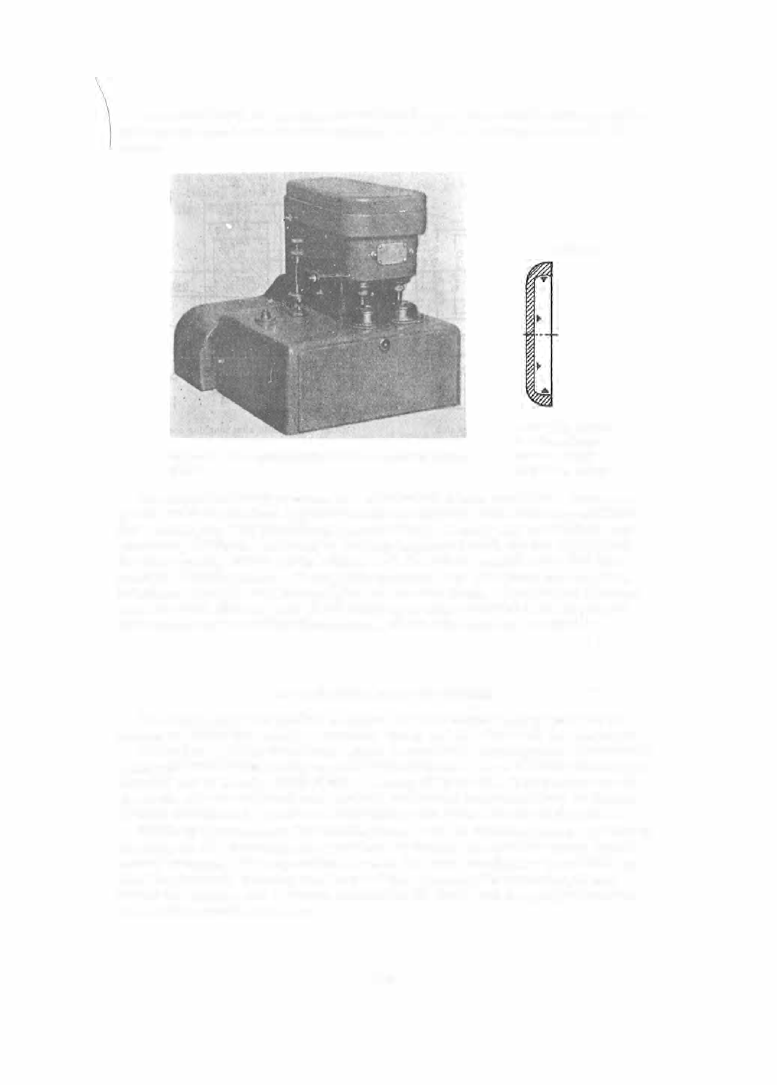
FIGURE 38. Two-spindle semiautomatic machine for chasing
of back
'\J\7\7\7 10
FIGURE 3 9. Buffing
the circumference
of the case back
(seventh operation)
The manufacturing process for wristwatch cases described above re
quires very diversified equipment and a relatively high labor expenditure
for a relatively low manufacturing accuracy. Design and production engi
neers are the refore striving to develop improved methods for machining
the case parts , which would reduce both the labor expenditures and the
material requirements . Some such methods are: pressure die - casting,
p recision casting, and stamping in hot or cold s tate . The blanks obtained
must be s uch that the only m echanical operations required are the finish
operations for the fitting dimensions , which have narrow tolerance.
T H E CASE MIDDLE O F POCKET WATCHES
The case middle of pocket watches has concentric projections and re
cesses in which the watch movement, the bezel and the back are fastened.
NMTsS 6 3 - 1 8 - 2 nickel silver, which is used in the m anufacture of the m iddle
is not sufficiently plastic for expanding operations . The middle is accordingly
blanked out of a 4 m m thick strip as a ring (Figure 4 0 ) . The blanks are de
greas ed, stres s - relieved and washed , and then rough-machined on m etal
cutting machines to produce a ring having the shape shown in F igure 4 1 .
While in wristwaches the winding-stem hole is obtained i n one operation,
as many as 18 operations are involved in making the winding- stem hole in
pocket watches . The ope rations are as follows : machining the middle to
take the pendant, brazing- on the pendant, cleaning the brazed spot and
sizing the middle and pendant, machining the hole and the projections for
the winding c rown and bow.
3 1 3